Cashmere vs Merino Wool: Understanding the Differences

When it comes to natural fibers, cashmere and merino wool are two of the most popular choices in the world. Both are soft, warm, and perfect for cold weather, but they are very different in many ways. Many people get confused when choosing between them: which one is warmer? Which one lasts longer? Which is better for everyday wear or special occasions?
In this guide, we will break everything down for you. We’ll compare them side by side, discuss their softness, warmth, durability, and price. By the end, you’ll know exactly which wool fits your needs.
About Cashmere wool
Cashmere is a fiber derived from the soft undercoat of certain goats, mostly in the Nepal Himalaya region, Mongolia, India, and China. These goats grow a thick, warm underlayer to survive freezing winters. Unlike normal wool, cashmere is not the outer hair, it is the very soft, downy layer that is naturally lightweight and incredibly warm.
Hearders collect cashmere in spring when the goats naturally shed their winter coat. They use special combs to gently remove the soft undercoat. This process doesn't hurt the goats at all. It's actually helpful because it keeps them cool in the summer.
About Merino Wool
Merino wool comes from Merino sheep, a special breed known for producing soft, fine wool. These sheep are mostly found in countries like New Zealand, Australia, and South America. Merino wool is one of the most popular natural fibers in the world because it combines comfort, warmth, and breathability.
Merino sheep grow a thick wool coat to protect them from harsh weather. Unlike cashmere goats, sheep produce a lot of wool each year. This makes Merino wool easier to collect and more affordable compared to cashmere.
Quick Comparison: Cashmere vs Merino Wool
| Cashmere | Merino Wool |
| Cashmere goats in Nepal, Mongolia, China, and India | Merino sheep in Australia, New Zealand |
| Extremely soft, luxurious feel | Soft but slightly less than cashmere |
| Very warm (best warmth) | Warm and also breathable |
| Needs careful handling, medium lifespan | Very tough and durable |
| Better for calm activities | Perfect for sports and outdoor activities |
| Expensive | More affordable |
| Needs special care | Easier to care for |
Comparison Overview
When choosing between these two premium fibers, it's important to understand how they differ in feel, warmth, and overall performance.
1. Softness and Comfort
Let's talk about the big question: which one feels softer?
Cashmere is the clear winner in softness. Its fibers are slightly thinner than most merino wool, making it feel incredibly luxurious against your skin. When you touch high-quality cashmere, it feels like touching a soft cloud. There's a reason people describe it as "buttery soft."
This exceptional softness comes from cashmere's ultra-fine fibers, typically measuring 14-19 microns. The finest Grade A cashmere measures just 14-15.5 microns. That's incredibly thin and delicate.
High-quality merino wool does come close to superfine varieties (16-20 microns). But even the finest merino doesn't quite match the plush, cloud-like softness of premium cashmere.
If you want the ultimate in softness and luxury against your skin, cashmere is your answer. It's especially perfect if you have sensitive skin or simply appreciate the finer things in life.
2. Warmth and Insulation
Cashmere is significantly warmer than merino wool, making it best for winter. In fact, cashmere provides 7-8 times more warmth than regular wool, and it's notably warmer than merino too. This exceptional warmth comes from the unique structure of cashmere fibers.
Each cashmere fiber has tiny air chambers inside. These natural air pockets trap heat close to your body while blocking cold air from getting in.
Merino wool is also warm and has the advantage of managing moisture well during active wear. But for pure warmth and insulation in cold weather, cashmere is unmatched.
Cashmere excels in:
- Dry, cold weather conditions
- Keeping you warm without overheating
- Providing lightweight warmth for elegant layering
- Creating that cozy, wrapped-in-luxury feeling
For winter elegance and serious warmth, cashmere is simply the best choice.
3. Durability and Longevity
Cashmere is delicate. Its fine fibers are more fragile than merino. Cashmere tends to pill (form little balls of fiber) more easily, especially in areas with friction like under your arms or where a bag strap rubs.
With careful care, a good cashmere sweater can last many years. But you need to treat it gently.
Merino wool is tougher. Its fibers are stronger and more resilient. A merino wool sweater can handle regular wear without showing damage as quickly. It still pills somewhat, but not as much as cashmere.
Cashmere requires more care than merino wool. Cashmere's delicate, fine fibers are what make it so incredibly soft. This also means you need to treat it with respect. High-quality cashmere can last 10+ years or even become a family heirloom with proper care.
The key is understanding how to care for cashmere:
- Hand wash gently or use the delicate cycle
- Lay flat to dry (never hang or use a dryer)
- Store properly with moth protection
- Address pills promptly with a fabric shaver
Yes, cashmere requires more attention than merino. But this is part of owning something truly special. Both get you places, but one requires premium care and gives you a premium experience.
With proper care, cashmere offers:
- 10+ years of wear (often becoming softer over time)
- Timeless style that never goes out of fashion
- An heirloom quality that can be passed down
- A luxury experience worth the extra care
Merino is more forgiving and handles rough treatment better. It's the practical choice for daily heavy wear and active use.
4. Moisture Management
Merino wool has the advantage here for active, sweaty activities.
Merino can absorb up to 30% of its weight in moisture and wicks sweat away effectively. It naturally resists odors and stays fresh through multiple wears. This makes it perfect for hiking, running, or any activity where you'll sweat.
Cashmere absorbs about 15% of its weight in moisture, which is actually quite good for everyday wear. Where cashmere truly excels is in its breathability. It regulates temperature beautifully, keeping you warm without making you overheat.
Cashmere's breathability advantage:
- Naturally regulates temperature
- Keeps you comfortable throughout the day
- Doesn't trap heat like synthetic materials
- Perfect for indoor/outdoor transitions
Choose cashmere for your lifestyle activities. Choose merino for your athletic activities.
5. Weight and Bulk
Cashmere is remarkably lightweight for the warmth it provides. A cashmere sweater feels almost weightless compared to other warm fabrics. This is one of cashmere's greatest advantages.
This lightweight quality makes cashmere perfect for:
- Elegant layering: Wear it under blazers and coats without adding bulk
- Travel: Packs incredibly small in your suitcase
- All-day comfort: You barely feel it on your body
- Refined appearance: Drapes beautifully without looking puffy
Merino wool is also lightweight, especially in fine grades. But it typically has more body and structure than cashmere. This can be good for fitted garments, but cashmere's elegant drape is unmatched.
For travel especially, cashmere is ideal: It packs down small, doesn't wrinkle much, and one cashmere sweater can serve multiple purposes from day to evening wear.
6. Price and Value
Yes, cashmere is expensive. A quality cashmere sweater starts around $150 and can reach $500+ for luxury brands.
Why does cashmere cost more?
- Each goat produces only limited usable cashmere per year
- The harvesting process is labor-intensive (hand-combing)
- Processing requires skilled craftsmanship
- Cashmere goats live in only a few regions worldwide
Merino is more affordable because sheep produce a much larger quantity of wool each year compared to cashmere.
But here's how to think about cashmere value:
Investment in quality: A cashmere sweater that you wear weekly for 10+ years costs you about $3 per wear. That's actually excellent value for a garment that makes you feel special every time you put it on.
Versatility: One beautiful cashmere piece elevates your entire wardrobe. It works for professional settings, social events, and elevates casual outfits.
Emotional value: There's something special about wearing cashmere. It's a form of self-care and luxury you experience daily.
Timeless style: Quality cashmere never goes out of fashion. A classic cashmere sweater looks just as good 10 years later.
Cashmere is an investment in yourself. It's not just about staying warm, it's about feeling luxurious and confident. Check out our premium cashmere clothing and invest in a sustainable cause.
Sustainability
Both fibers are natural and biodegradable, which is excellent for the environment. They're far superior to synthetic materials.
Yes, cashmere production has faced environmental challenges like face cashmere. But the industry is responding with responsible practices.
What's changing:
- Many producers now limit herd sizes to prevent overgrazing
- Sustainable grazing rotation systems protect grasslands
- Certifications like the Good Cashmere Standard ensure ethical production
- Traceability systems track cashmere from goat to garment
→ Learn about Cashmere and Alpaca
→ Explore Cashmere and Silk
→ Learn about Cashmere vs Sheep Wool
→ Difference Cashmere vs Cotton vs Synthetic fibers
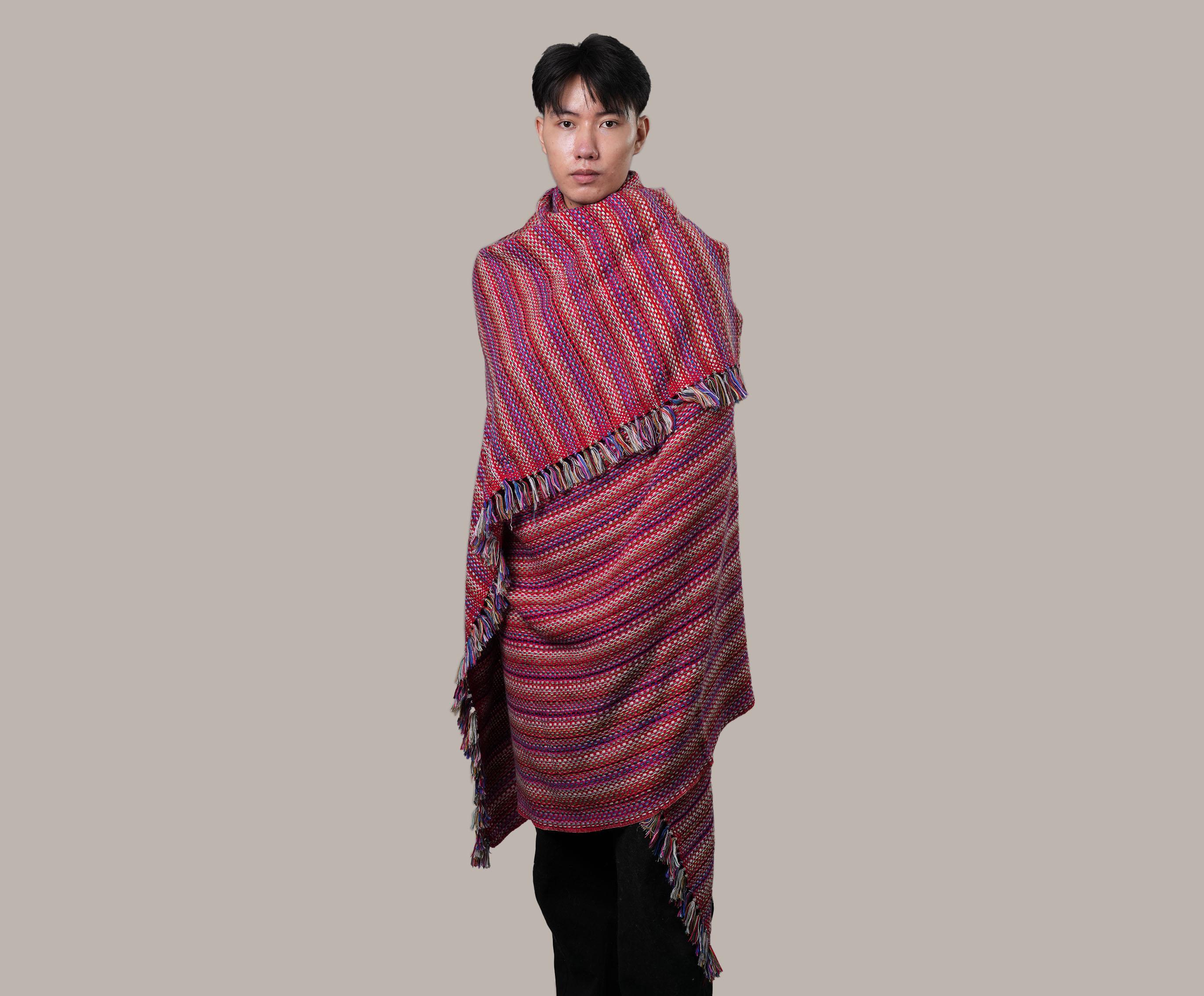
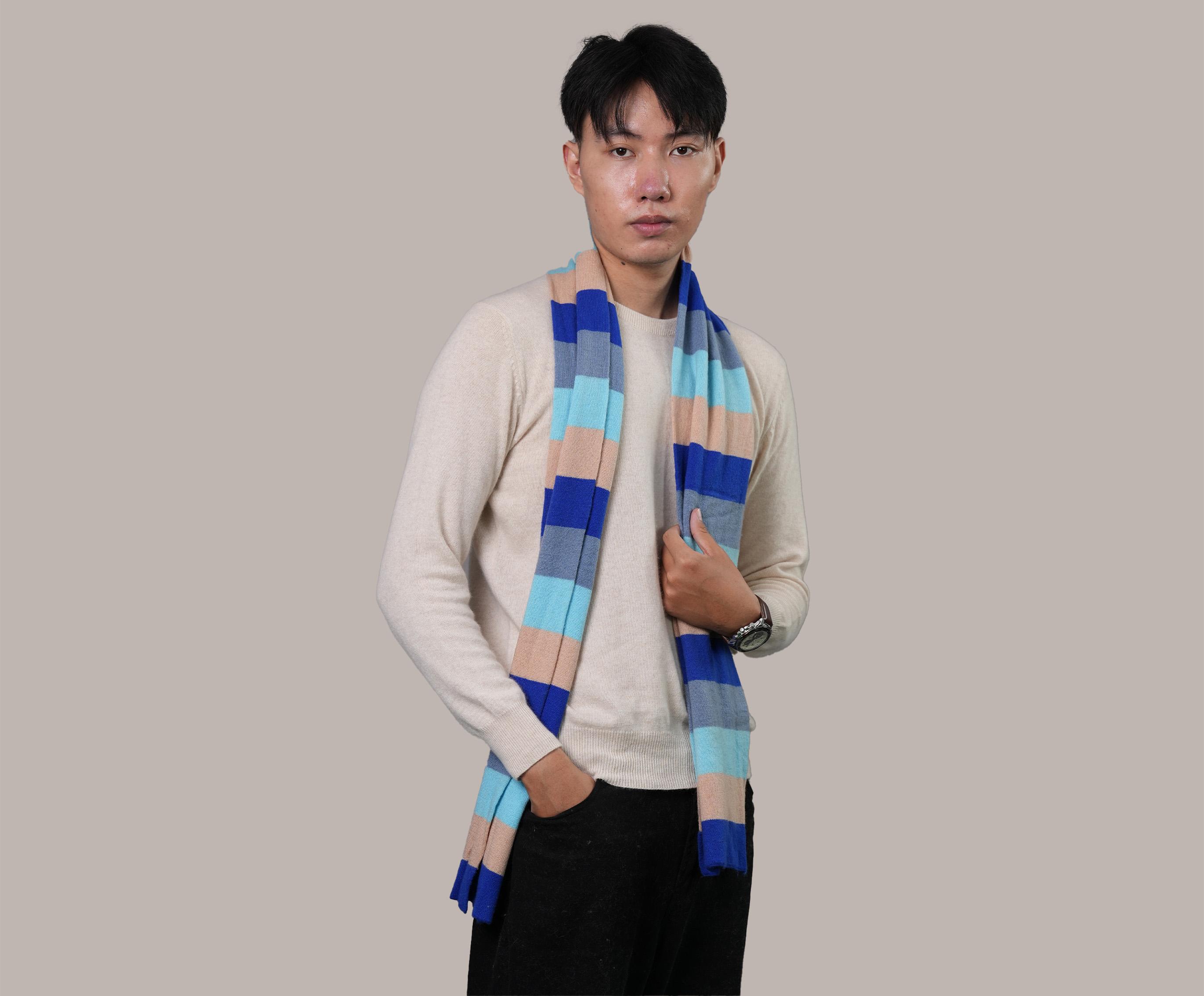
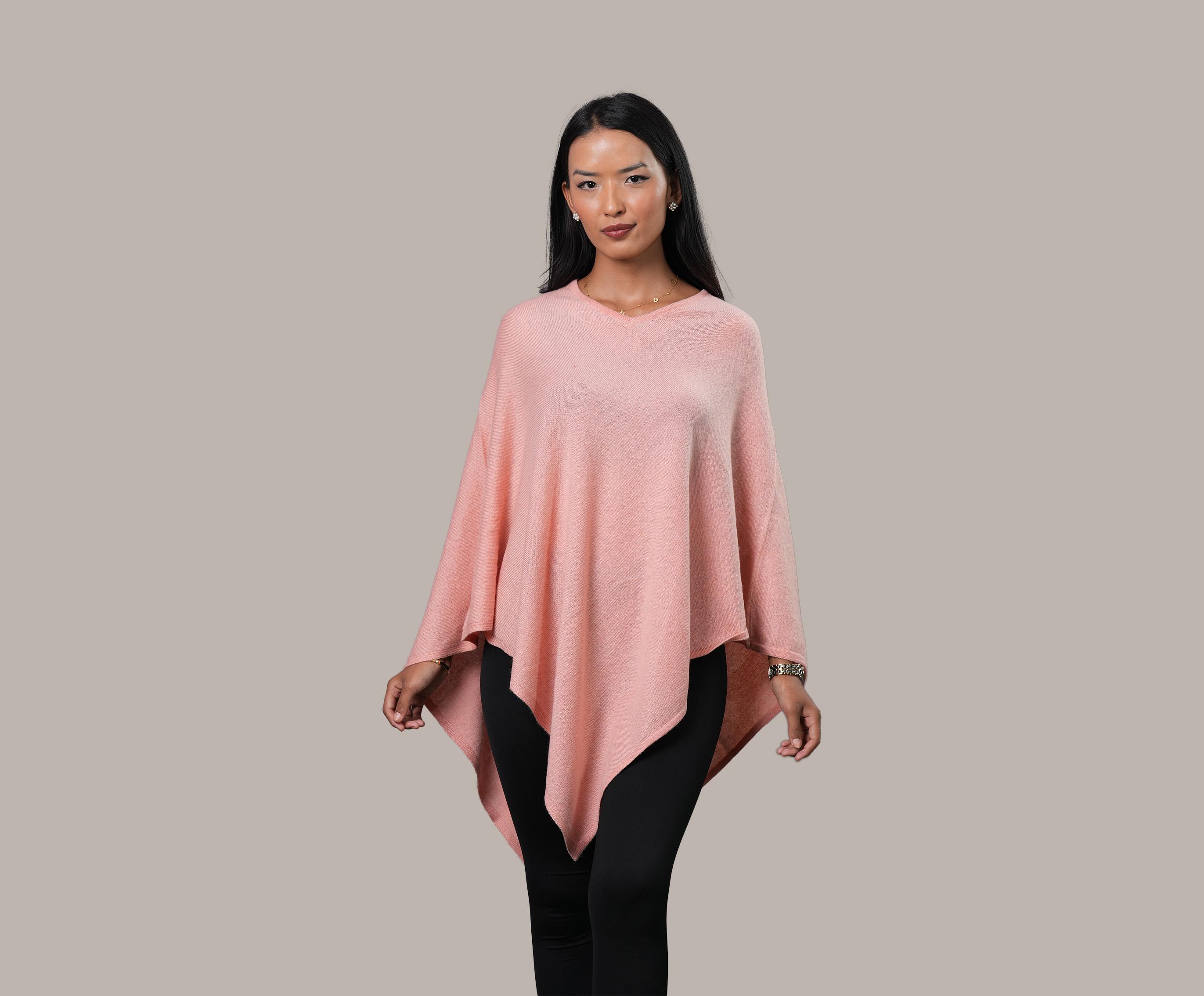
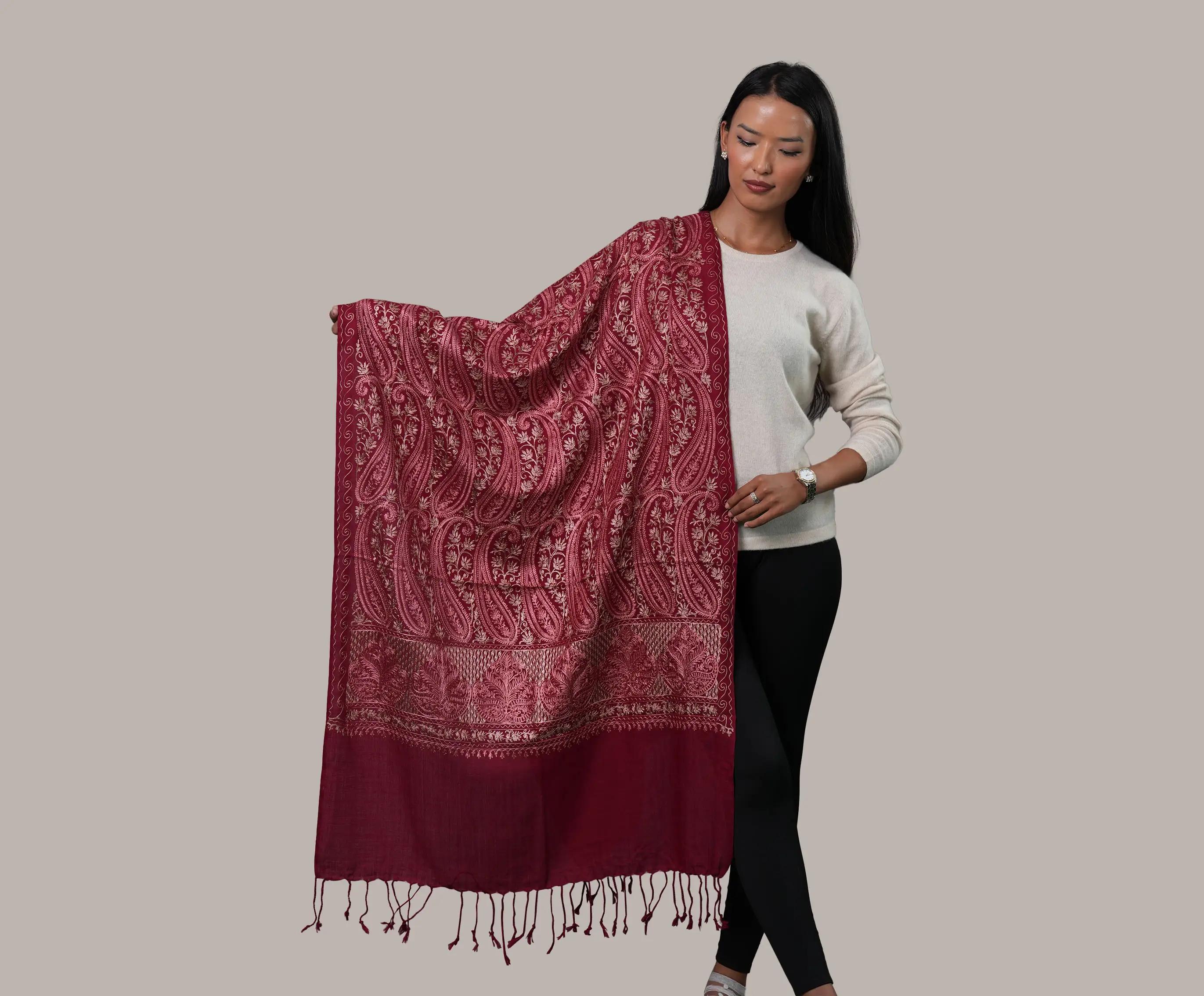
Browse our cashmere collection to experience the difference that craftsmanship, ethical production, and Nepali heritage make in luxury textiles.

Cashmere vs Merino FAQs
1. Which is better for people with sensitive skin?
Cashmere is typically better for sensitive skin because it's smoother and less likely to irritate. However, quality merino wool is also very gentle. Test both if you can!
2. Can I wash cashmere in a machine?
Most cashmere should be hand-washed to stay beautiful. Some modern cashmere can be machine-washed on a gentle cycle, but check the label first. When in doubt, hand washing is safer.
3. Is merino wool good for winter?
Absolutely! Merino wool is excellent for winter, especially if you're active. It keeps you warm while letting moisture escape, so you stay comfortable even while moving.
4. How long does cashmere last?
With good care, cashmere typically lasts 5-10 years of regular wear. Some pieces last even longer. The key is careful handling and proper washing.
5. Is cashmere itchy?
Quality cashmere should never be itchy - it's famous for being incredibly soft. If your cashmere itches, it's probably low quality. Try another brand!
6. Can you wear merino wool in summer?
Yes! Lightweight merino wool is perfect for summer because it breathes well and wicks sweat. It's comfortable in warm weather while still providing some protection.
7. What's the best way to store cashmere?
Store cashmere folded in a drawer, not hanging. Use cedar blocks or lavender to prevent moths. Keep it in a cool, dry place away from direct sunlight. Avoid plastic bags.
8. How often should you wash each fabric?
Cashmere: Every 3-4 wears, or when it needs refreshingMerino wool: Every 5-7 wears, sometimes even longer
9. Which is warmer for the same weight?
Cashmere is significantly warmer (about 7-8 times warmer) than merino wool for the same weight. This is due to its higher loft and air-trapping ability.
10. Are there ethical options for both?
Yes! Look for:
- Cashmere: Ethical cashmere certifications, responsible grazing information, and sustainable brands
- Merino wool: RWS (Responsible Wool Standard) certification, non-mulesed options, ethical brands
11. How do you prevent pilling?
- Store cashmere carefully (folded, not hung)
- Don't rub cashmere against rough surfaces
- Use a cashmere comb gently if pilling starts
- Buy higher quality to reduce pilling
- Gentle handling is key
12. Can you mix cashmere and merino clothing in outfits?
Absolutely! They work great together:
- Merino base layer + cashmere sweater
- Merino for active time, cashmere for relaxation
- Layer them strategically
- Great style combination
13. What does micron count mean?
Micron count is how thick the fiber is. Lower numbers mean thinner, softer fibers. Cashmere is 14-19 microns (softer), merino is 17-24 microns (also soft but slightly thicker).