Cashmere vs Alpaca: Ultimate Luxury Fiber Comparison
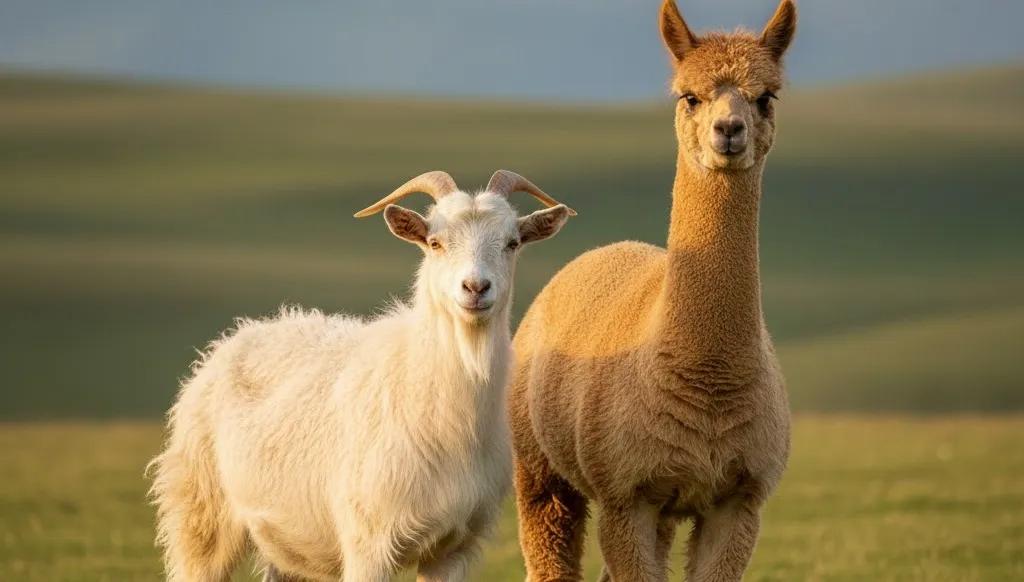
Luxury fibers have long been valued for their softness, warmth, and elegance. Among these, cashmere and alpaca stand out as two of the most premium natural fibers in the world.
While both offer exceptional comfort and durability, they differ significantly in origin, texture, weight, warmth, and care requirements.
Understanding these differences is essential for making an informed choice, whether for personal wear, gifting, or investment in premium wardrobe pieces. This guide provides a detailed comparison, helping you identify which fiber best meets your needs.
What is Cashmere?
Cashmere ranks among the world's most luxurious natural fibers, known for exceptional softness and warmth. The fiber originates from the undercoat of cashmere goats raised in regions with extreme temperature variations.
Origin and Production
Geographic Sources: Nepal, Mongolia, Inner Mongolia, Kashmir, and Central Asia
Collection Method: Hand-combed during the spring molting season when goats naturally shed their winter undercoat
The limited yield and labor-intensive collection process contribute directly to cashmere's premium pricing and luxury status.
Fiber Characteristics
Micron Count: 12-16 microns in diameter
Structure: Natural crimp and loft create air pockets for insulation without weight
Temperature Regulation: Breathable fibers adapt to body temperature, providing warmth in cold weather while preventing overheating in moderate temperatures
Seasonal Versatility: Suitable for wear across multiple seasons due to adaptive properties
What is Alpaca?
Alpaca fiber comes from alpacas, camelid animals native to the Andes mountains of South America, particularly Peru, Bolivia, and Chile. The fiber has been valued for thousands of years by Andean cultures for exceptional warmth and durability.
Two Alpaca Breeds
- Huacaya Alpacas
- Suri Alpacas
Fiber Characteristics
- Fiber diameter: 18-30 microns
- Annual yield: 4-5 pounds per alpaca (enough for 4-5 sweaters)
- Structure: Hollow core with microscopic air pockets
- Natural colors: 22 natural color variations
Structure: Hollow core with microscopic air pockets that trap warm air while remaining lightweight. This unique architecture provides thermal efficiency exceeding most natural fibers.
Key Differences Overview
| Characteristic | Cashmere | Alpaca |
| Fiber Diameter | 12-16 microns | 18-30 microns |
| Fiber Length | ~4 cm | 8-12 cm |
| Natural Colors | Limited (dyed) | 22 options |
| Rarity | Ultra-rare | More abundant |
| Processing | Manual-intensive | Moderate |
| Scalability | Limited | Highly scalable |
Cashmere vs Alpaca: Fiber Comparison
Softness & Touch
Cashmere's 12-16 micron fiber diameter creates an incomparable sensory experience. The moment cashmere touches your skin, you understand why it's been the fiber of royalty and luxury for centuries.
Alpaca offers softness in its finest grades (baby alpaca at 18-22 microns), but it simply cannot replicate cashmere's extraordinary fineness.
Impact on Wear: The difference becomes most noticeable in garments worn directly against the skin, scarves around the neck, sweaters without underlayers, or wraps against bare arms.
If softness matters to you, and it should, cashmere delivers an unmatched, transformative wearing experience that justifies every penny of its investment.
Warmth & Insulation
Alpaca's hollow fiber structure provides impressive heat retention. The air pockets within each fiber create strong insulation, making alpaca notably warmer than standard wool at equal weights.
Cashmere provides an excellent warmth-to-weight ratio with a different characteristic: superior breathability. Cashmere regulates temperature more dynamically, adjusting to your body and environment rather than simply maximizing heat retention.
Key Distinction:
- Alpaca excels at holding warmth in consistently cold conditions
- Cashmere adapts intelligently when temperatures fluctuate
Practical Application:
- Alpaca suits: Extended outdoor exposure, extreme cold, mountaineering, skiing
- Cashmere suits: Indoor-outdoor transitions, office environments, travel, variable climates, layering systems
Weight & Drape
Cashmere weighs significantly less than alpaca while delivering substantial warmth. This creates several practical advantages:
Travel Benefits: Multiple cashmere pieces pack with minimal weight or bulk
Layering Flexibility: Build warmth through lightweight layers rather than single heavy garments
Elegant Drape: Cashmere flows gracefully, creating flattering silhouettes that skim rather than overwhelm the body
Alpaca has a denser, more substantial feel that creates structured garments with a different aesthetic, more casual or sporty in appearance.
Durability & Pilling
Alpaca fibers measure longer and stronger than cashmere, resulting in natural durability advantages and superior pilling resistance.
Cashmere does experience pilling, especially in high-friction areas (underarms, bag contact points, inner sleeves). However, several factors provide context:
Quality Variations: Premium cashmere from longer fibers and expert knitting pills significantly less than lower grades
Temporary Phase: Initial pilling often decreases after the first season as shorter fibers work out
Simple Management: Cashmere combs or fabric shavers remove pills in minutes without damaging the fabric
Long-Term Durability: Well-maintained high-quality cashmere lasts decades, becoming softer with age
Alpaca suits those who prefer minimal maintenance. Cashmere requires modest care but offers other qualities that many find worth the effort.
Versatility & Styling
Cashmere transitions seamlessly across diverse settings: business meetings, casual weekends, evening events, and travel. This versatility maximizes wardrobe value.
Why Cashmere Works Everywhere:
- Refined appearance with subtle sheen and smooth texture
- Accepts dye beautifully for rich colors or elegant neutrals
- Works with varied aesthetics, jeans or evening wear
- Timeless quality that never looks out of place
Alpaca has a more distinctive aesthetic, earthy, natural, and textured. The rustic quality that makes alpaca charming for weekend wear can feel less appropriate in formal professional settings.
Price Comparison
Alpaca typically costs 30-50% less than comparable cashmere, a significant difference that makes alpaca attractive for budget-conscious shoppers seeking natural fiber luxury.
Why Cashmere Costs More:
- Scarcity: Requires 4-6 goats for one sweater vs. one alpaca for 4-5 sweaters
- Manual processing: Extensive hand-sorting and combing required
- Fiber fineness: Delicate handling requirements; higher processing waste
- Historical prestige: Centuries of luxury positioning
- Quality control: Stringent grading and inspection
While alpaca offers good entry-level luxury, consider long-term cost-per-wear. A piece worn daily for 15 years justifies a higher upfront investment. A piece worn occasionally may not.
Which Should You Choose?
Choose Cashmere If You Value:
Exceptional Softness – Ultra-fine fibers (12-16 microns) create an unmatched silky texture, especially important for items worn against bare skin
Versatility – Seamless transitions from professional to casual settings, maximizing wardrobe utility
Lightweight Warmth – Substantial insulation without bulk, ideal for travel, layering, and all-day wear
Refined Elegance – Timeless, sophisticated aesthetic that subtly elevates any outfit.
Temperature Adaptability – Breathable warmth that prevents overheating during environmental transitions
Professional Wardrobe – Elegant drape and refined appearance suitable for business environments
Wardrobe Approach – Fewer, versatile pieces that work across multiple situations
Choose Alpaca If You Value:
Maximum Warmth – Superior insulation for consistently cold climates and extended outdoor exposure
Durability Focus – Lower maintenance requirements and superior pilling resistance
Budget Considerations – Premium natural fiber at a more accessible price point
Natural Aesthetic – Earthy, textured appearance with 22 natural color options
Casual Wardrobe – Relaxed, outdoor, or bohemian style preferences
Outdoor Activities – Water-resistant properties and rugged durability for active wear
Yes Helping Hand's Cashmere Advantage
Fiber Selection: Hand-selected fibers meeting strict standards for fineness, length, and quality. Careful selection means softer feel, reduced pilling, longer lifespan.
Artisan Expertise: Generations of knowledge in optimal knitting techniques that maintain loft and softness while maximizing durability. Expert understanding of how cashmere behaves and performs.
Construction Excellence: Traditional handloom and hand-knitted methods.
Who Creates Your Cashmere:
- Women and marginalized individuals in Nepal
- Communities with limited access to sustainable income
- Skilled craftspeople preserving traditional techniques
What Your Purchase Supports:
- Fair wages and safe working conditions
- Economic independence and dignity
- Skill development and knowledge preservation
- Ripple effects: education, healthcare, improved quality of life
Wear luxury that aligns with values. No exploitation. No environmental destruction. Support for just, sustainable production models.
The Complete Story
Each Yes Helping Hand piece represents:
- Care and intention in every stitch
- Quality that improves with time
- Beauty that feels as good ethically as physically
- Connection to tradition and community
→ Understand Cashmere vs Merino Wool
→ Learn about Cashmere vs Sheep Wool
→ Explore Cashmere and Silk
→ Difference Cashmere vs Cotton vs Synthetic fibers
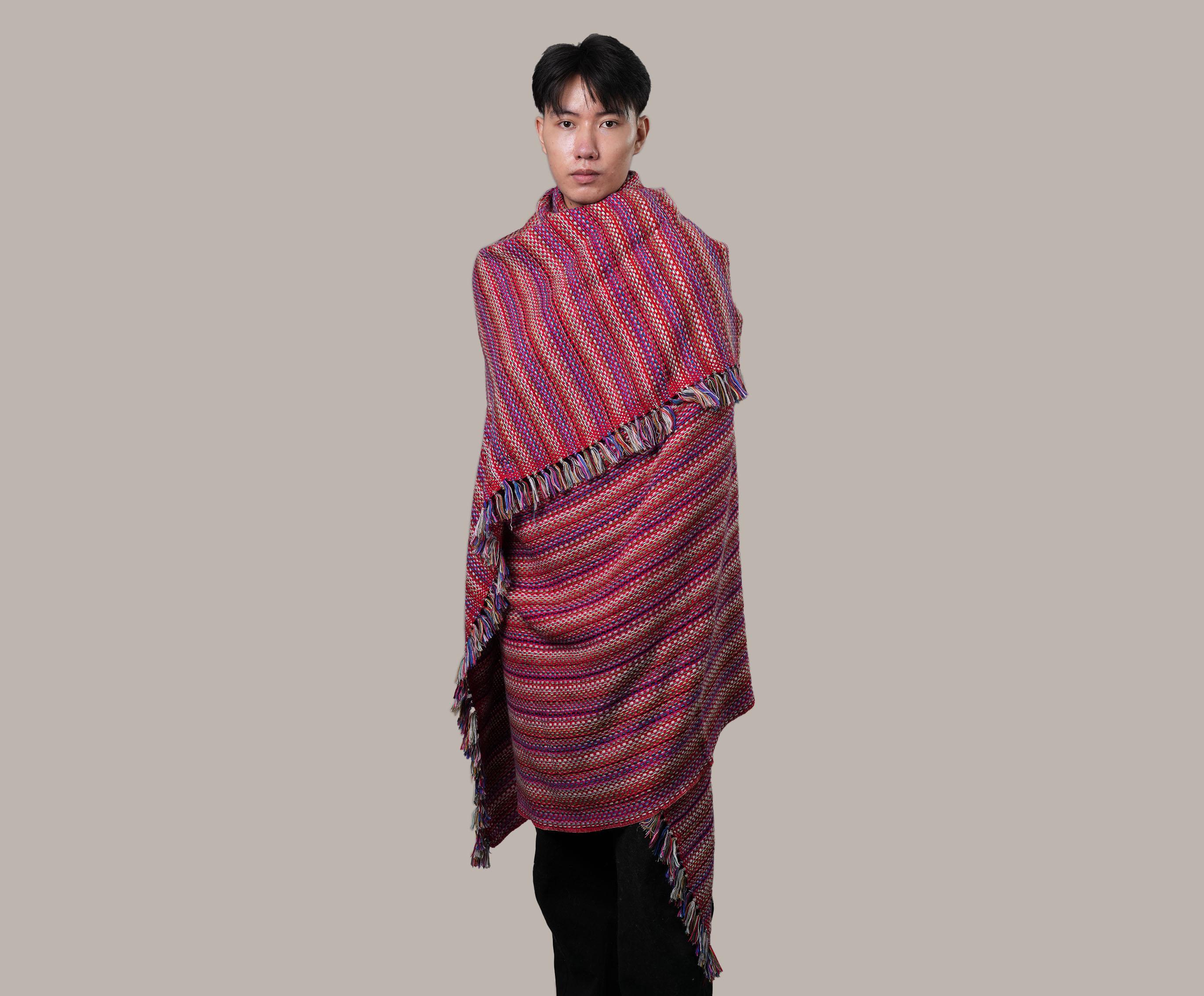
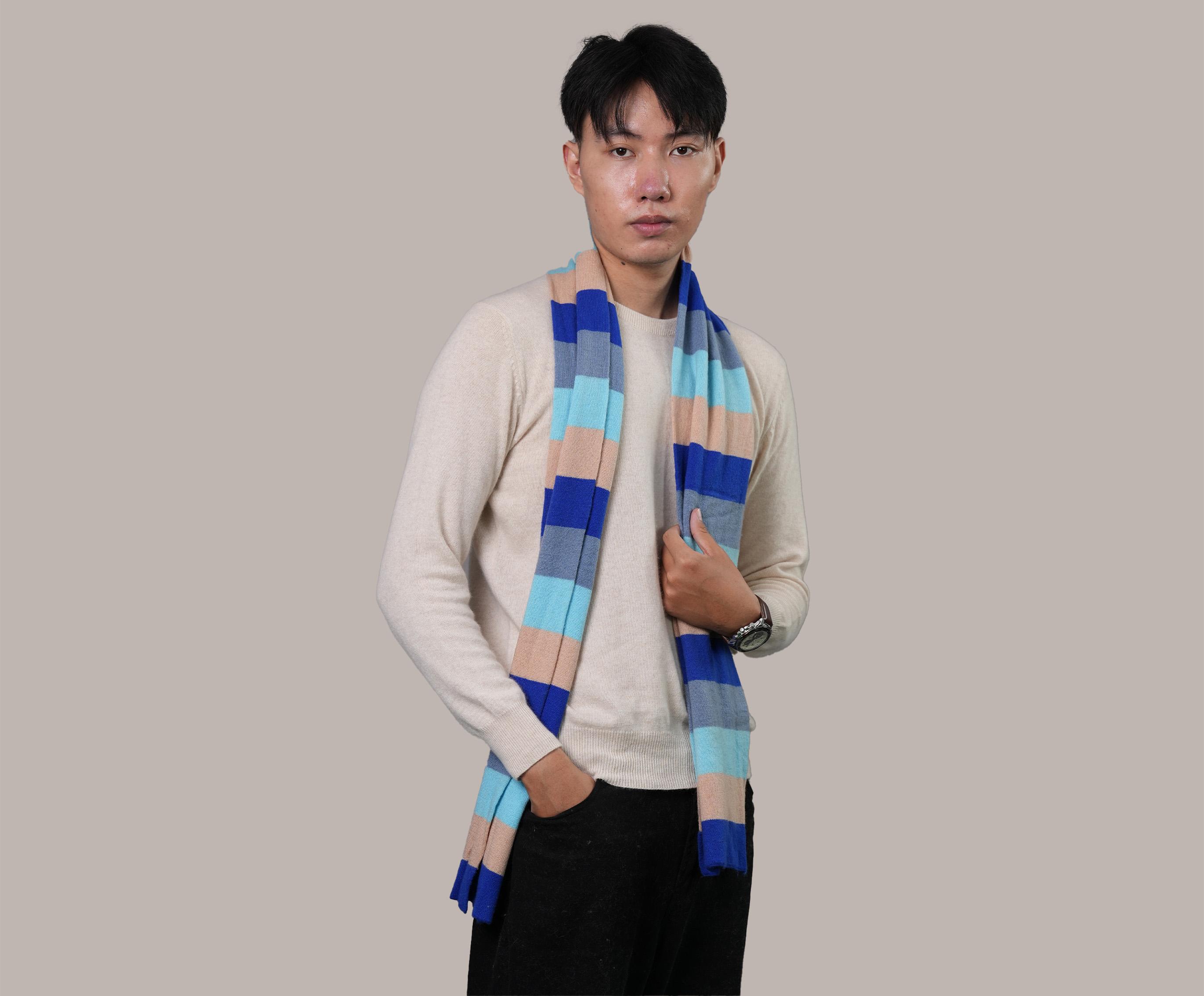
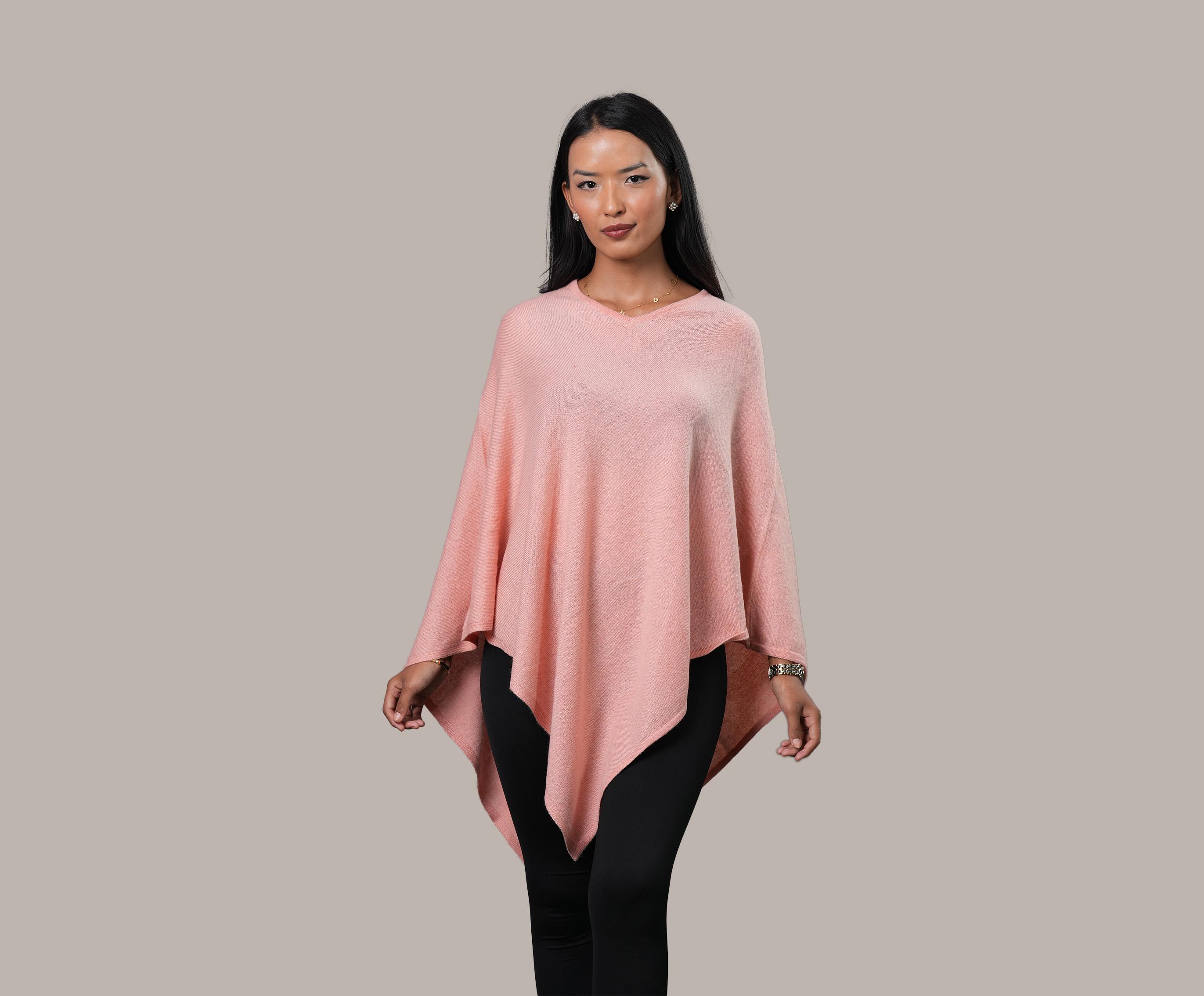
Browse our cashmere collection to experience the difference that craftsmanship, ethical production, and Nepali heritage make in luxury textiles.

Frequently Asked Questions
1. Is cashmere warmer than alpaca?
Alpaca provides more raw insulation at equal weights due to its hollow fiber structure. However, warmth isn't just about maximum heat retention, it's about comfort in your actual environment.
Cashmere offers excellent warmth with superior breathability and temperature regulation.
For an extended time outdoors in extreme cold, the alpaca's insulation advantage becomes more relevant. For typical daily life with frequent environmental changes, many find cashmere's balanced warmth more practical.
2. Why is cashmere more expensive than alpaca?
Scarcity drives the price difference. One alpaca produces several pounds yearly. Additionally, cashmere requires labor-intensive hand-combing during a brief molting season, while alpaca uses standard shearing.
The finer fiber also demands more skilled processing with higher waste rates. These aren't artificial limitations—they're inherent to producing ultra-fine, premium cashmere.
3. Can you mix cashmere and alpaca in one garment?
Yes, blends exist and can combine qualities like cashmere's softness with alpaca's durability.
Blends sometimes allow brands to market items as "cashmere" at lower prices by using less actual cashmere. For the complete experience of either fiber's unique characteristics, pure versions generally deliver more distinctive qualities.
4. Which is better for sensitive skin?
Both are naturally hypoallergenic, lacking the lanolin in sheep's wool that causes most allergic reactions.
Cashmere's finer diameter (12-16 microns) generally proves gentler for very sensitive skin, creating less friction and feeling exceptionally smooth. Baby alpaca (18-22 microns) also works well for sensitive skin.
Regular alpaca (23-30 microns) may feel slightly scratchy to particularly sensitive individuals when worn directly against bare skin, though many people find it perfectly comfortable.
5. How long does cashmere vs alpaca last?
Both last many years with proper care. Alpaca's longer, stronger fibers provide natural durability with minimal intervention—a practical advantage for those preferring low-maintenance wardrobes.
Longevity depends heavily on quality, construction, and care rather than fiber type alone. Well-made pieces of either fiber serve you for decades.
6. Is cashmere or alpaca better for the environment?
Both have environmental considerations. Alpaca farming generally shows advantages: soft feet cause less terrain damage than goat hooves, gentler grazing patterns, and higher fiber yield per animal.
Both fibers are natural, biodegradable, and far superior to synthetic alternatives. The most important factor: choose producers committed to sustainable, ethical practices regardless of fiber type.