Cashmere Grades & Micron Guide: Understanding Quality Standards
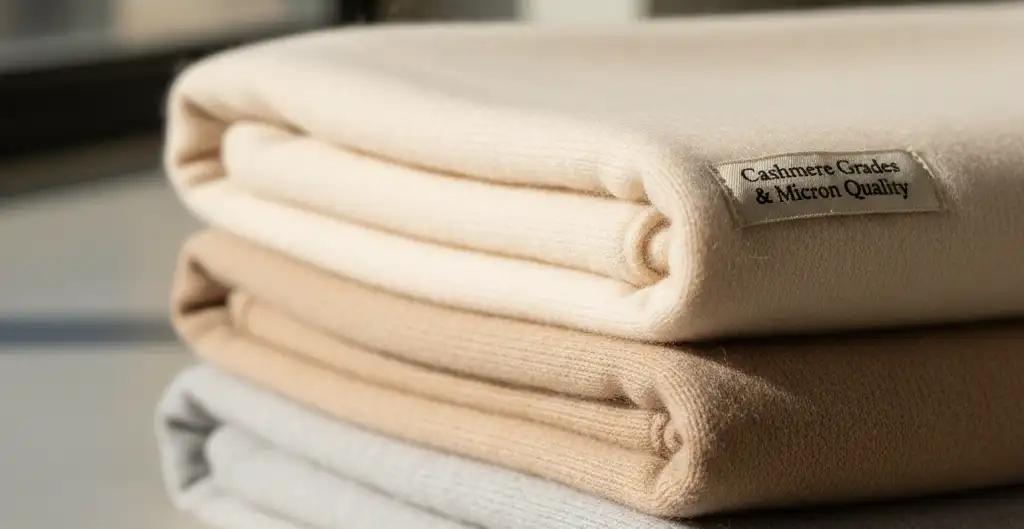
Cashmere wool is measured in microns, which indicates the thickness of each fiber. The lower the micron number, the finer, softer, and more luxurious the cashmere. Based on this micron measurement, cashmere is assigned different grades (Grade-A, Grade-B, and so on), which helps you understand its quality and value before buying.
What Is a Micron?
A micron measures how thick each fiber is. It’s extremely small, much thinner than a human hair. Here's how small:
- Human hair: about 75 microns thick
- Good cashmere: 14-16 microns thick
- The best cashmere: 12-14 microns thick
The smaller the micron number, the softer the cashmere feels. Think of it like this: thinner fibers make softer fabric.
Get the full details at Cashmere vs Pashmina: The Real Comparison.
The Cashmere Grading System
There are different ways to grade cashmere. Some of the commonly used grading practices are:
Grade A (Premium Grade)
| Feature | Details |
| Micron Range | 14-15.5 microns |
| Quality Level | Premium - The finest cashmere available |
| Softness | Extremely soft, feels like touching a cloud |
| Durability | Excellent with proper care, lasts many years |
| Best For | Luxury scarves, high-end sweaters, special occasion items |
| Key Features | Lightest weight, most luxurious feel, requires gentle handling |
| Feel Test | Silky smooth, no texture or roughness |
| Common Uses | Designer clothing, premium accessories, gift items |
Grade B (Very Good Grade)
| Feature | Details |
| Micron Range | 15.5-17 microns |
| Quality Level | Very Good - Excellent quality for everyday use |
| Softness | Very soft, comfortable against skin |
| Durability | Very good, strong enough for regular wear |
| Best For | Everyday sweaters, cardigans, regular-use scarves |
| Key Features | Great value, hard to distinguish from Grade A, practical choice |
| Feel Test | Smooth and soft, minimal texture |
| Common Uses | Daily wear items, work clothing, casual luxury |
Grade C (Standard Grade)
| Feature | Details |
| Micron Range | 17-19 microns |
| Quality Level | Good - Solid cashmere quality for beginners |
| Softness | Soft but with slight texture, still much softer than regular wool |
| Durability | Good, handles regular use well |
| Best For | Entry-level cashmere, first-time buyers, budget-conscious shoppers |
| Key Features | More affordable, good introduction to cashmere |
| Feel Test | Noticeably soft but with some fiber texture |
| Common Uses | Starter cashmere items, casual wear, gift options |
Grade D (Basic Grade)
| Feature | Details |
| Micron Range | 19+ microns |
| Quality Level | Basic - Lowest acceptable cashmere grade |
| Softness | Moderately soft, may feel similar to fine wool |
| Durability | Fair, suitable for light use |
| Best For | Budget options, cashmere blends, trial purchases |
| Key Features | Often mixed with other materials, significant cost savings |
| Feel Test | Some softness but noticeable texture and possible scratchiness |
| Common Uses | Blended fabrics, budget accessories, children's items |
How Micron Size Affects Your Cashmere Experience
- Ultra-Fine (12–14 µm) – Ultra Luxury: Silky smooth, extremely lightweight, and flows beautifully. Provides maximum warmth with minimal bulk. Very delicate, hand wash only, lasts 10+ years. Best for evening wear, luxury shawls, and collector items.
- Premium Fine (14–15.5 µm) – Grade A: Very soft and luxurious, light yet substantial. Excellent warmth and maintains shape well. Gentle hand wash or professional cleaning recommended, lasts 8–12 years. Ideal for high-end sweaters, scarves, and luxury gifts.
- Fine (15.5–17 µm) – Grade B: Soft with a slight texture, comfortable weight. Very good warmth, holds shape nicely. Gentle machine wash possible, lasts 6–10 years. Great for daily wear, work sweaters, and versatile wardrobe pieces.
- Standard (17–19 µm) – Grade C: Noticeably soft with texture, moderate weight. Good warmth and durable. Can handle regular gentle washing, lasts 4–8 years. Suitable for casual wear, kids’ items, and budget-friendly luxury.
Quality of Cashmere by Origin
Different places make different quality cashmere:
Nepal Himalayan (Premium Excellence)
- Quality: Exceptional to ultra-premium
- Microns: 12-15 typical (finest available)
- Why it's the best: Extreme high-altitude conditions (3000m+) produce the finest, softest fibers. Himalayan goats develop ultra-fine undercoat to survive harsh mountain winters. Traditional hand-processing methods preserve fiber quality.
- Special features: Naturally lustrous, incredibly lightweight, superior warmth retention
- Best for: Ultra-luxury items, collector pieces, premium gifts
- Unique advantage: Combines traditional craftsmanship with world's finest natural conditions
Inner Mongolia (China)
- Quality: Excellent to premium
- Microns: 14-16 typical
- Why it's good: Cold climate makes fine fibers, large-scale quality production
- Best for: High-end cashmere items, luxury brands
Kashmir (India)
- Quality: Traditional premium
- Microns: 12-15 for best quality
- Why it's good: Original cashmere region, centuries of expertise
- Best for: Premium shawls and traditional items
Iran and Afghanistan
- Quality: Good to very good
- Microns: 15-18 typical
- Why it's good: Suitable climate for cashmere goats, traditional methods
- Best for: Mid-range cashmere items, regional specialties
How to Test Cashmere Quality
1. Touch Test
- Rub the fabric gently between your fingers.
- Best cashmere (Grade A) feels silky and soft.
- Lower grades feel a little rougher but should never be scratchy.
2. Stretch Test
- Gently pull a small piece of the fabric.
- Good cashmere bounces back quickly.
- Poor cashmere stays stretched. Grade A recovers the fastest
3. Light Test
- Hold the fabric up to the light.
- High-quality cashmere looks even and smooth.
- Lower-quality cashmere may have thick spots or uneven color.
Our comprehensive cashmere test guide.
Making Smart Purchases
Before You Buy:
- Ask about micron count - Good sellers will know this
- Feel the fabric - Trust your hands
- Check the origin - Some places make better cashmere
- Read care instructions - Finer grades need more care
- Compare prices - Make sure quality matches the price.
Ready to experience true quality? Explore our premium cashmere collection and find the perfect piece designed for comfort, elegance, and lasting value.

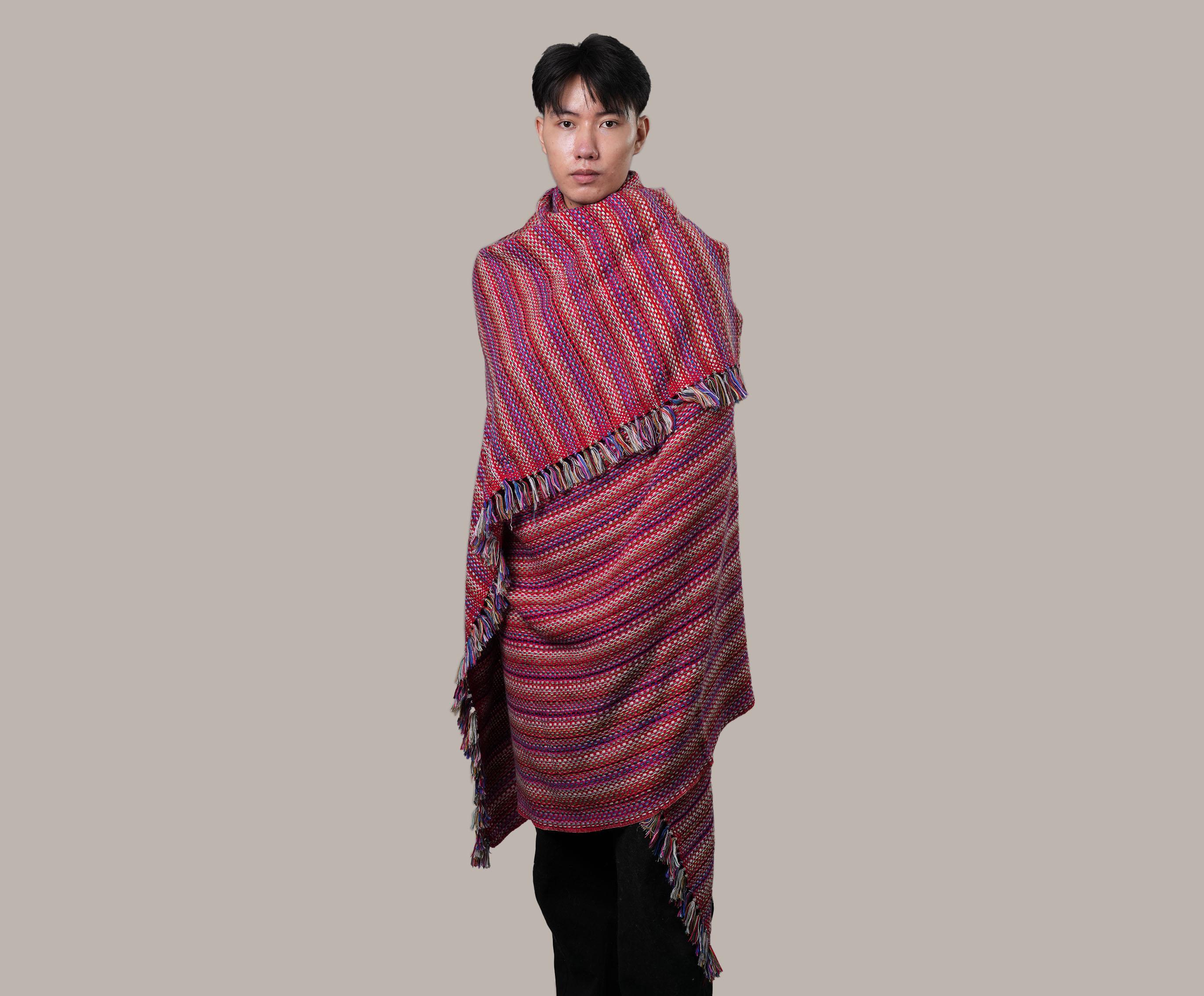
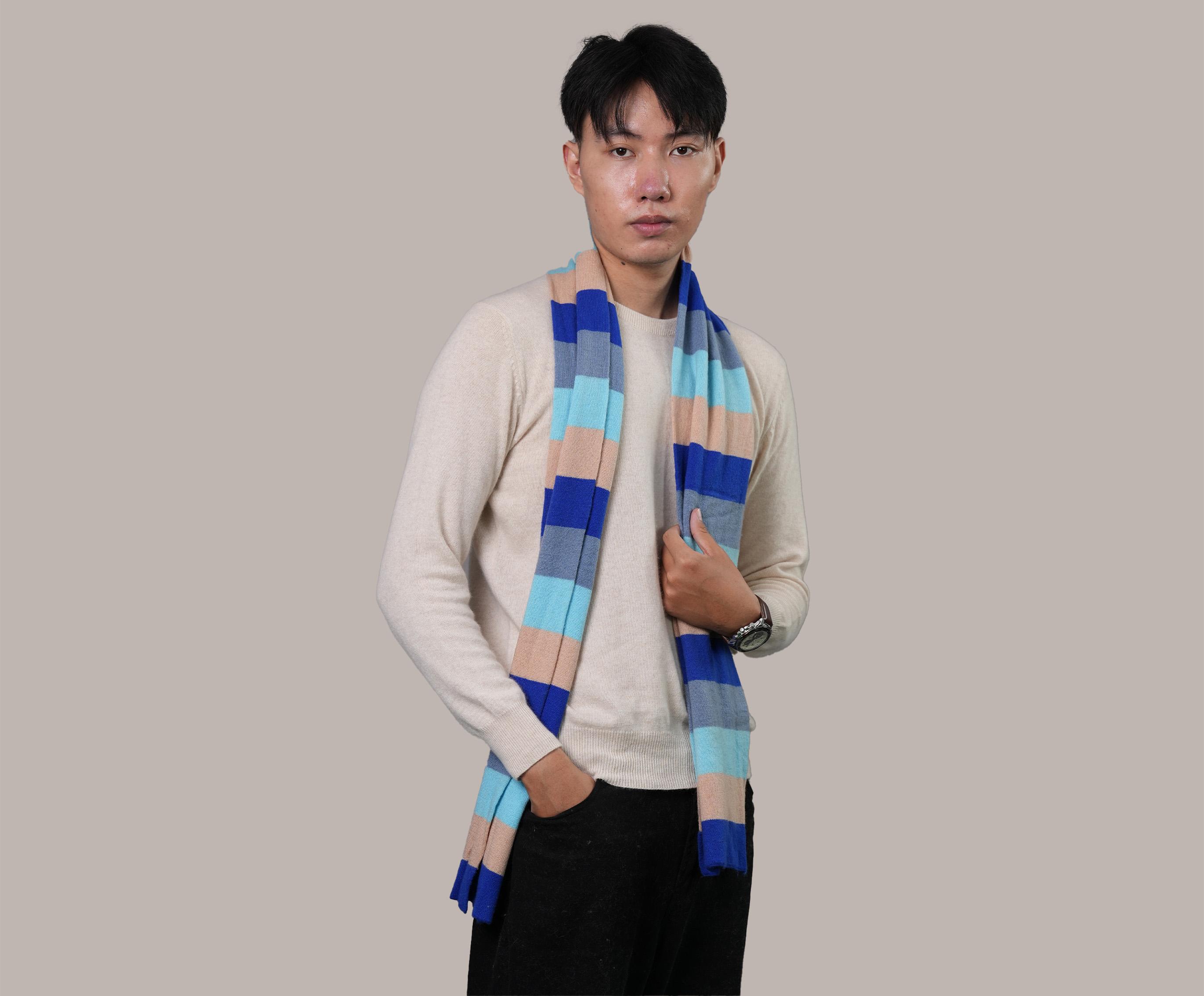
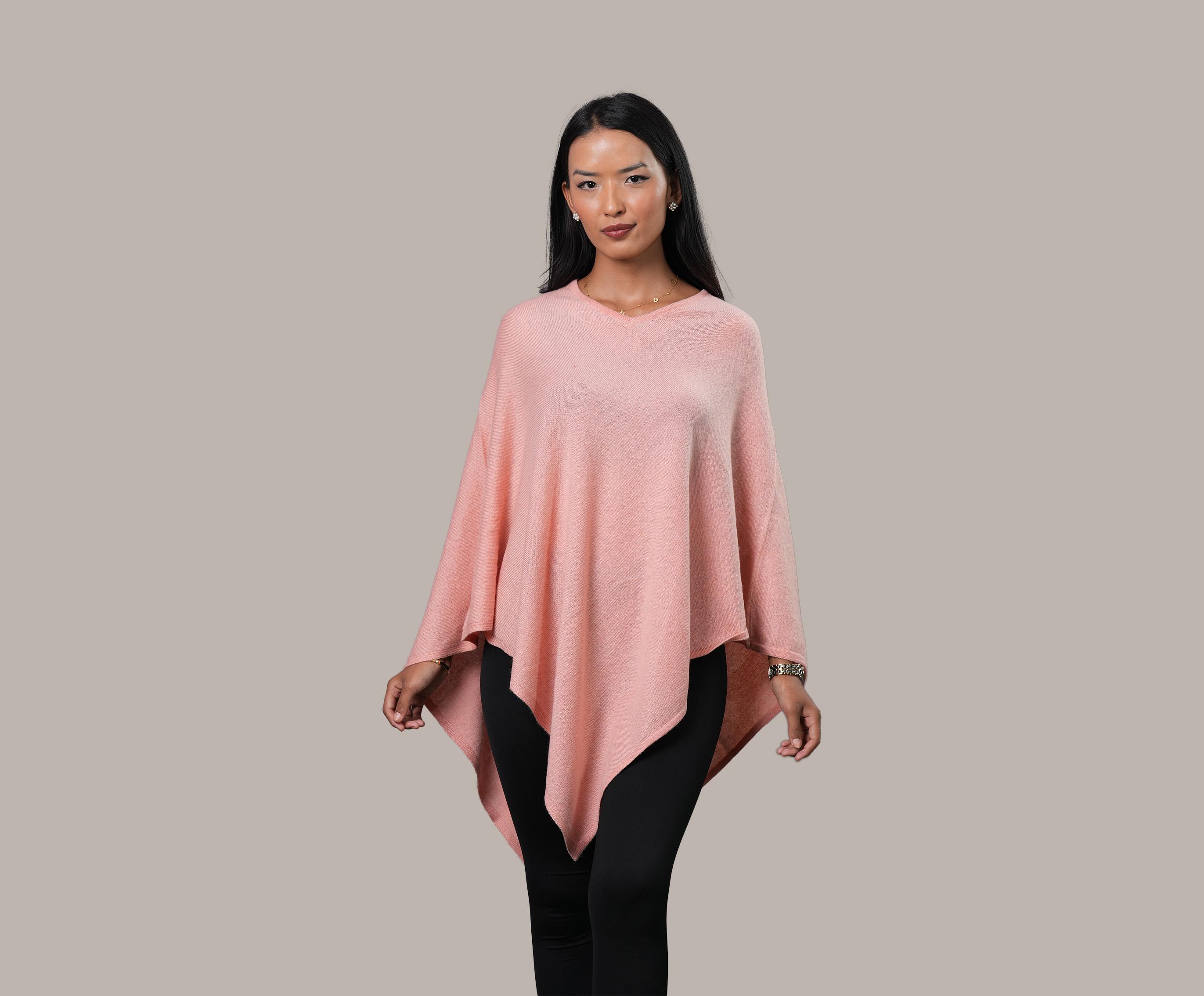
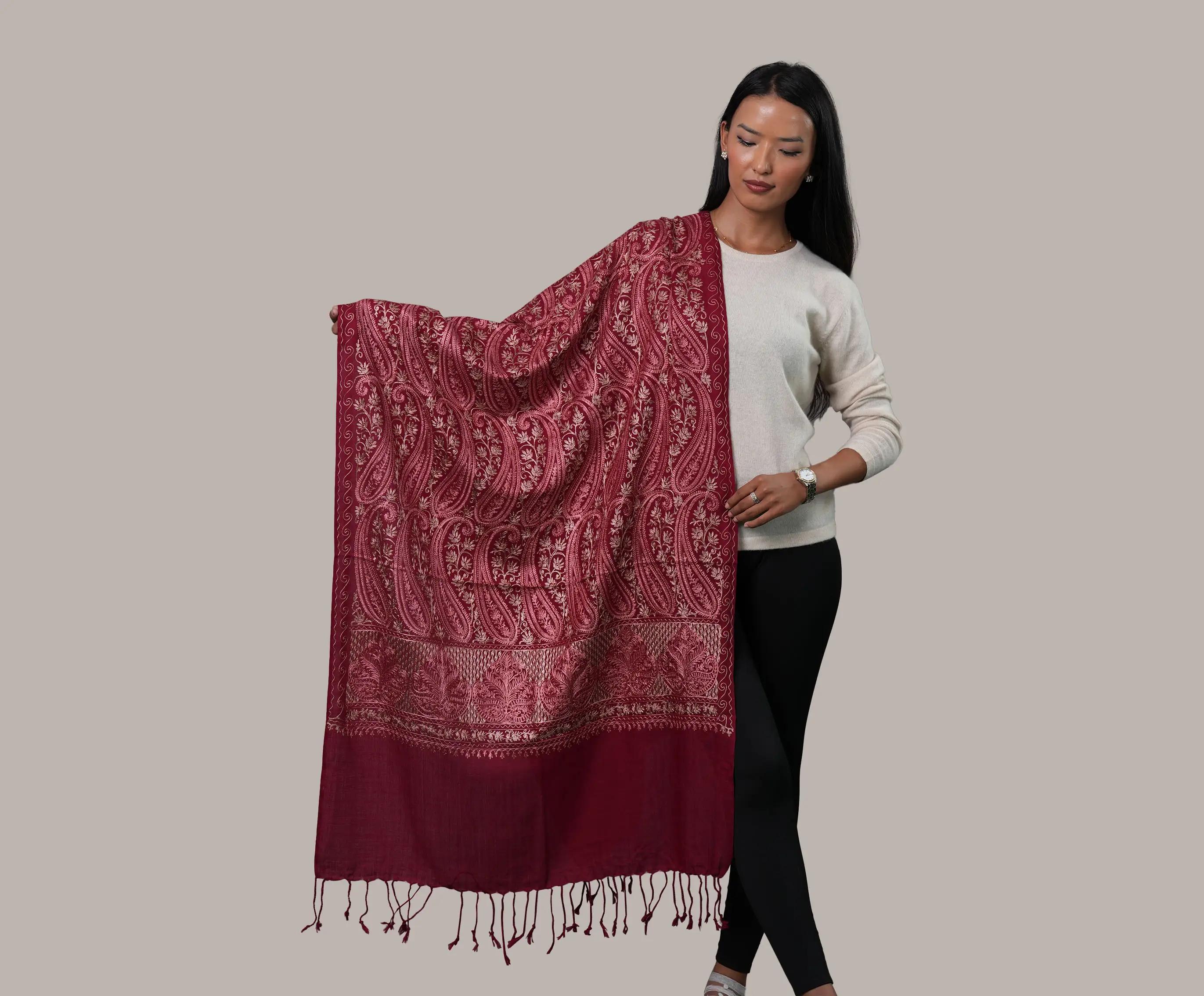
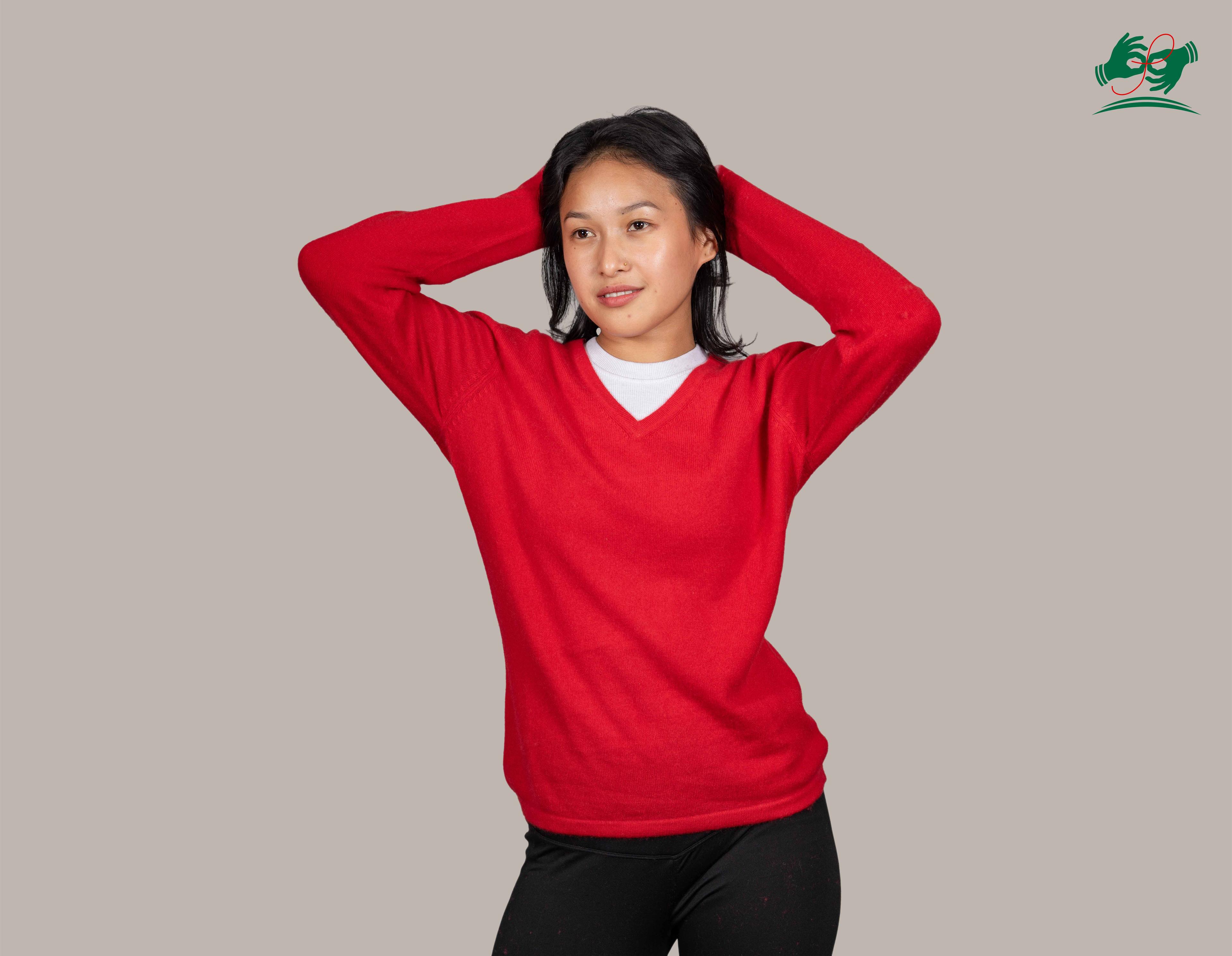
Before investing in luxury cashmere, understand fiber quality, grades, and what to look for when shopping. Get expert insights in The Real Cashmere Buyer's Guide - By Yes Helping Hand to make the right purchase decision