Cashmere vs Pashmina: The Real Comparison
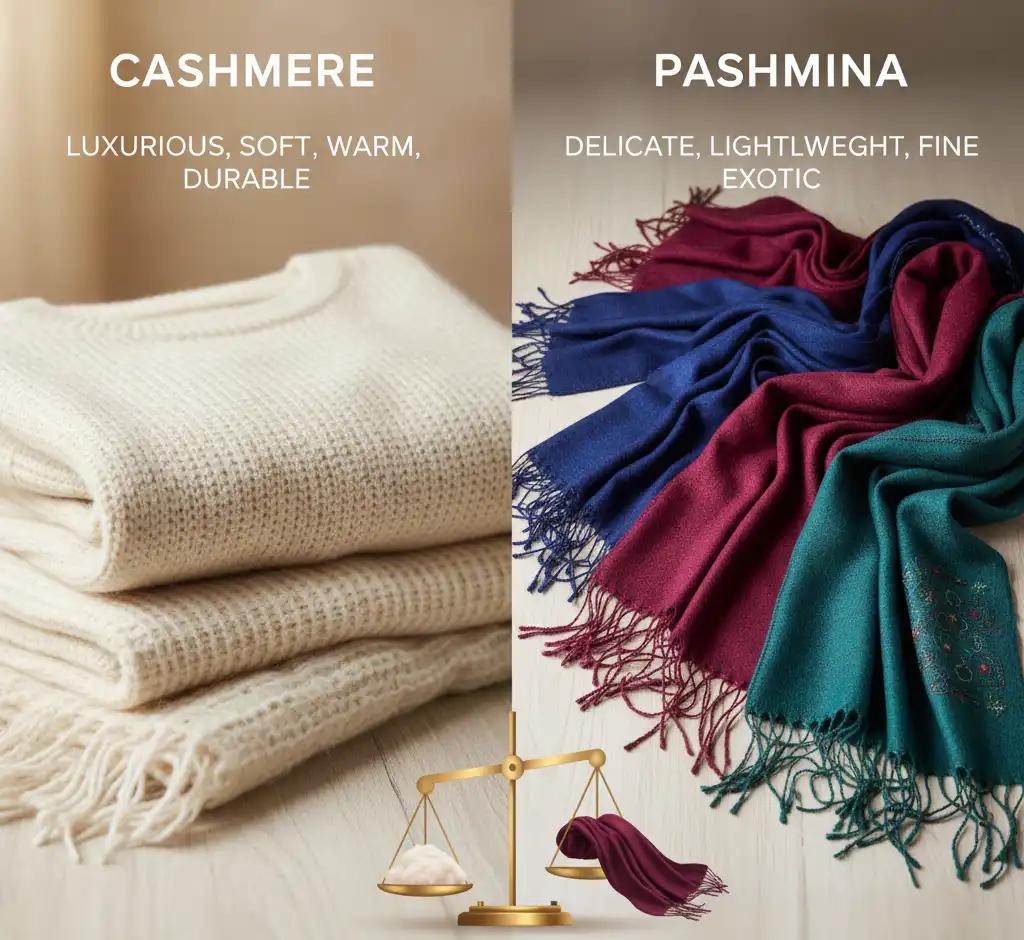
When shopping for luxury wool, you might wonder about the difference between cashmere and pashmina. Many people think they are the same, while others believe pashmina is automatically better than cashmere.
The reality is that there’s a big misconception in the market. Many buyers are not fully aware and often get fooled by the name of premium luxury wool. Some sellers use “pashmina” as a marketing word, even when the product is just regular cashmere or a wool blend
Here, we’ll clear the confusion and help you understand the true difference between cashmere and pashmina, so you can make smart choices and recognize genuine quality.
What is Cashmere?
Cashmere comes from a special kind of goat that lives in very cold regions such as Mongolia, China, India, and Nepal. To survive the harsh winters, these goats grow a layer of soft, fine hair underneath their rough outer coat.
Each spring, herders carefully comb the goats to collect this soft undercoat. A single goat only produces about 4 ounces (100 grams) of cashmere per year. That tiny amount is one of the main reasons why real cashmere is so expensive.
High-quality cashmere is incredibly soft, warm, and lightweight. It keeps you cozy without feeling heavy, and with proper care, a cashmere garment can last for many years—sometimes even decades.
What is Pashmina?
Pashmina also comes from goats. But these are different goats called Changthangi goats. They live high up in the mountains between India and China, in a place called Kashmir.
The word "pashmina" comes from the Persian word "pashm," which means wool. People in Kashmir have been making pashmina for hundreds of years.
Real pashmina is very rare. It comes from goat hair that is even finer than regular cashmere. The goats that make pashmina live in places that are very cold and high up.
Quick Comparison Table
| Feature | Cashmere | Pashmina |
| Source | Various goat breeds | Changthangi goats only |
| Origin | Mongolia, China, India, Iran | Kashmir region only |
| Fiber thickness | 14-19 microns | 12-16 microns |
| Softness | Very soft | Extremely soft |
| Availability | Easy to find | Very rare, often fake |
| Durability | Good for daily wear | More delicate |
| Product types | Sweaters, scarves, coats, blankets | Mainly shawls and scarves |
| Care needed | Gentle care | Extra gentle care |
| Color options | Many colors available | Limited traditional colors |
| Best for | Everyday luxury | Special occasions |
| Value for money | Excellent | Poor to average |
Why the Confusion between Pashmina and Cashmere?
Marketing Misuse: Many retailers label regular cashmere or even synthetic blends as "pashmina" because the name commands premium prices.
Legal Reality: In most countries, "pashmina" isn't legally regulated, so anything can be called pashmina. Only Nepal has trademarked "Chyangra Pashmina" with strict quality standards.
Quality Spectrum: Even within authentic pashmina, quality varies dramatically based on:
- Exact micron count (12 microns = best quality, 17 microns = entry-level pashmina)
- Processing method (hand-spun vs machine-spun)
- Weaving technique (traditional vs modern looms)
- Geographic origin (high altitude = finer fiber)
True Pashmina represents the top 1-2% of all cashmere production worldwide, which is why authentic pieces are investment purchases rather than fast fashion items.
At Yes Helping Hand, we believe that owning an authentic Pashmina isn't just about owning a beautiful shawl; it's about owning a piece of Nepal's soul. So, we grade and sell Pashmina and Cashmere separately without trying to upsell Cashmere as Pashmina.
How are they similar?
Both cashmere and pashmina:
- Come from goat hair
- Feel very soft
- Keep you warm
- Cost more than regular wool
- Need special care when washing
- Get softer as you wear them
What differentiates cashmere and pashmina?
Cashmere can come from many places. Most comes from Mongolia and China. Different places make different quality cashmere. Cashmere goats live in many cold places. They are raised to make cashmere.
Pashmina only comes from one area - the Kashmir region. This makes real pashmina much harder to find.
Changthangi goats live only in very high mountains. The cold weather makes their hair extra fine and soft.
Both use very thin hair, but pashmina hair is thinner:
- Regular cashmere: 14-19 microns thick
- Good cashmere: 14-16 microns thick
- Real pashmina: 12-16 microns thick
Learn more about the different cashmere grades and fiber thickness in our detailed cashmere micron guide.
Here's something important to know: both cashmere and pashmina are types of premium wool from goats. The different names often come from where they're made and what people in different places call them.
In many ways, these are both premium goat wools. The names can be confusing because:
- Different places call the same type of wool by different names
- People in various countries have their own words for fine goat wool
- Marketing sometimes makes the differences sound bigger than they really are
What matters most is the quality of the wool itself, not just the name on the label.
Explore a guide to check real cashmere.
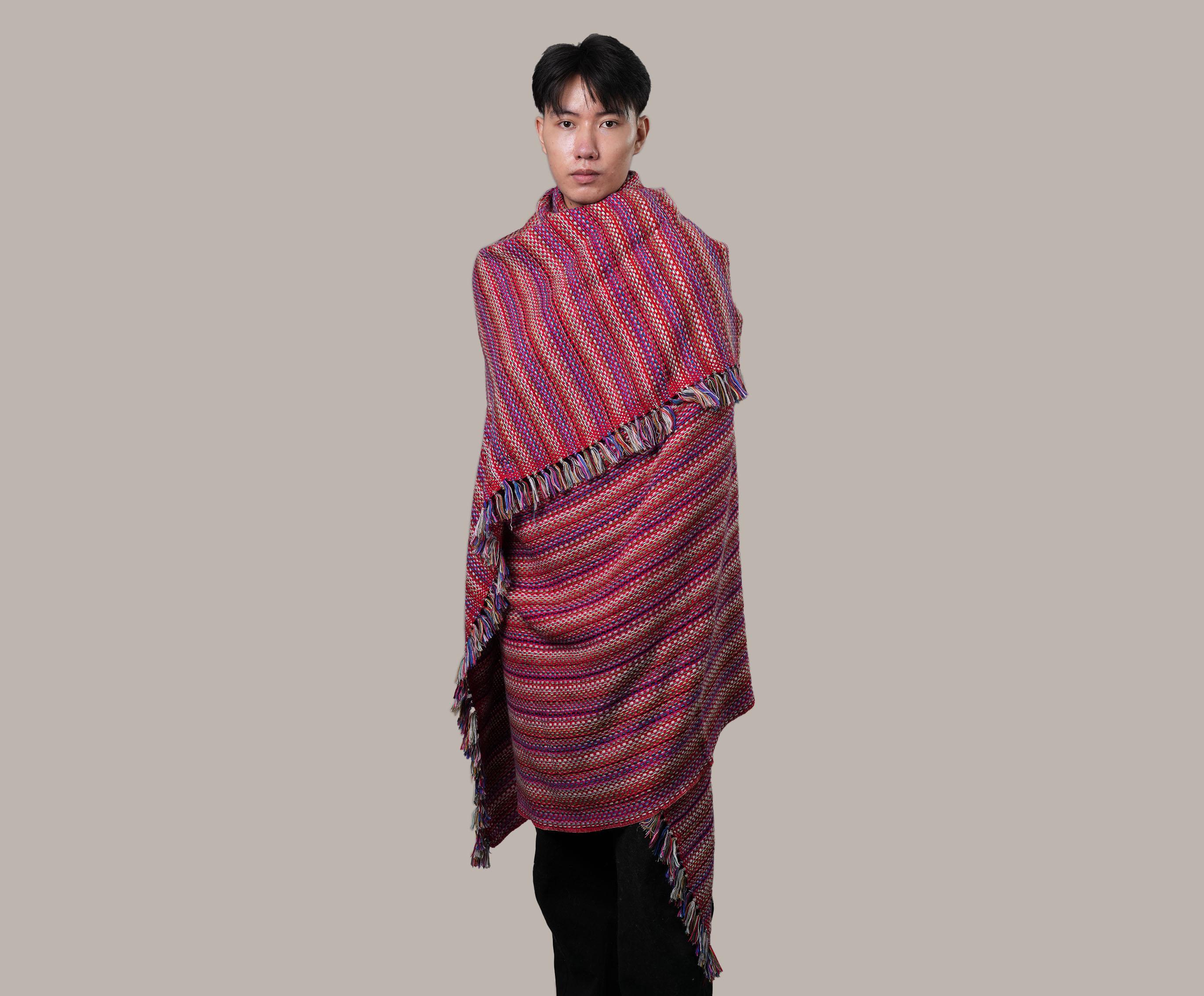
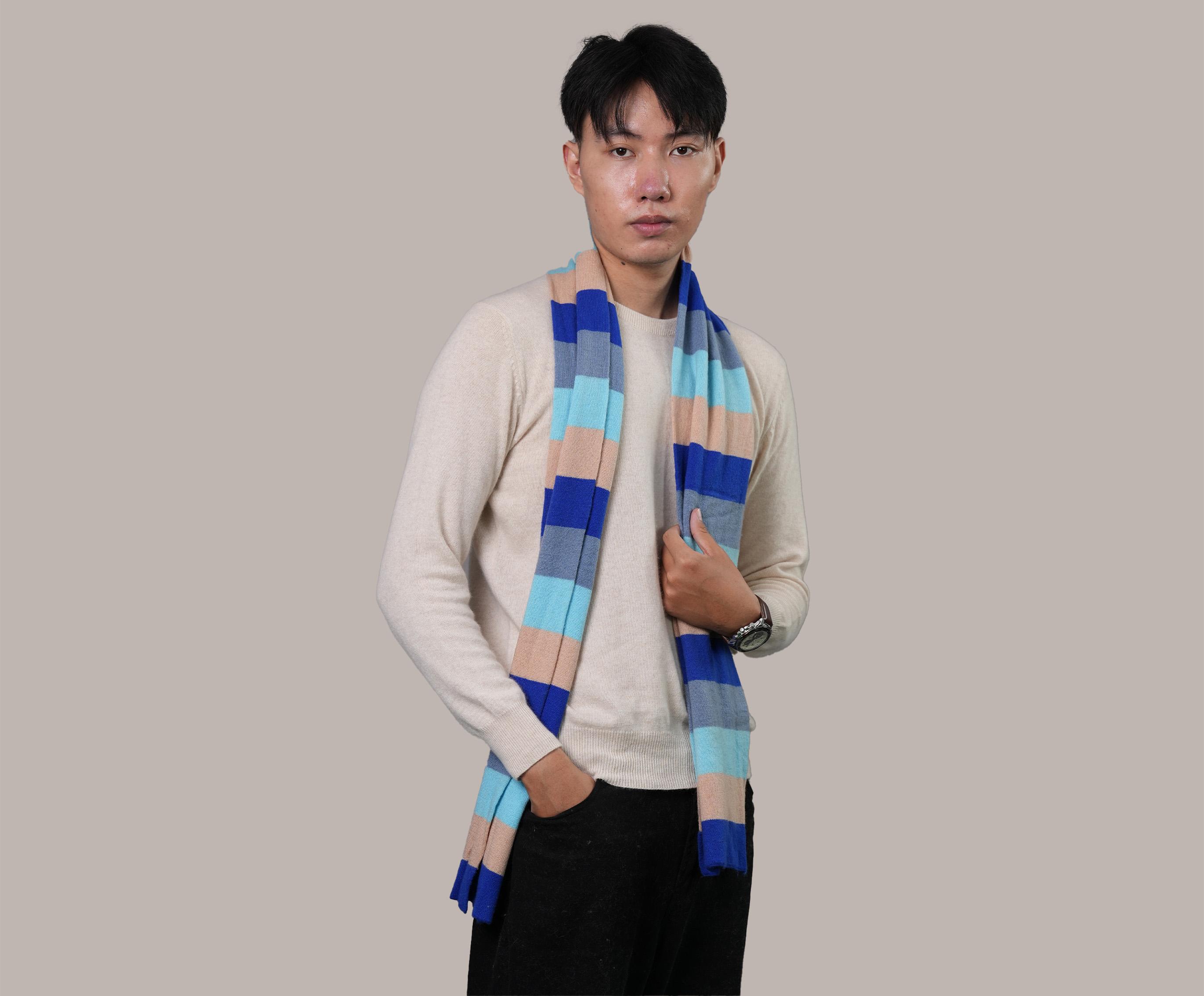
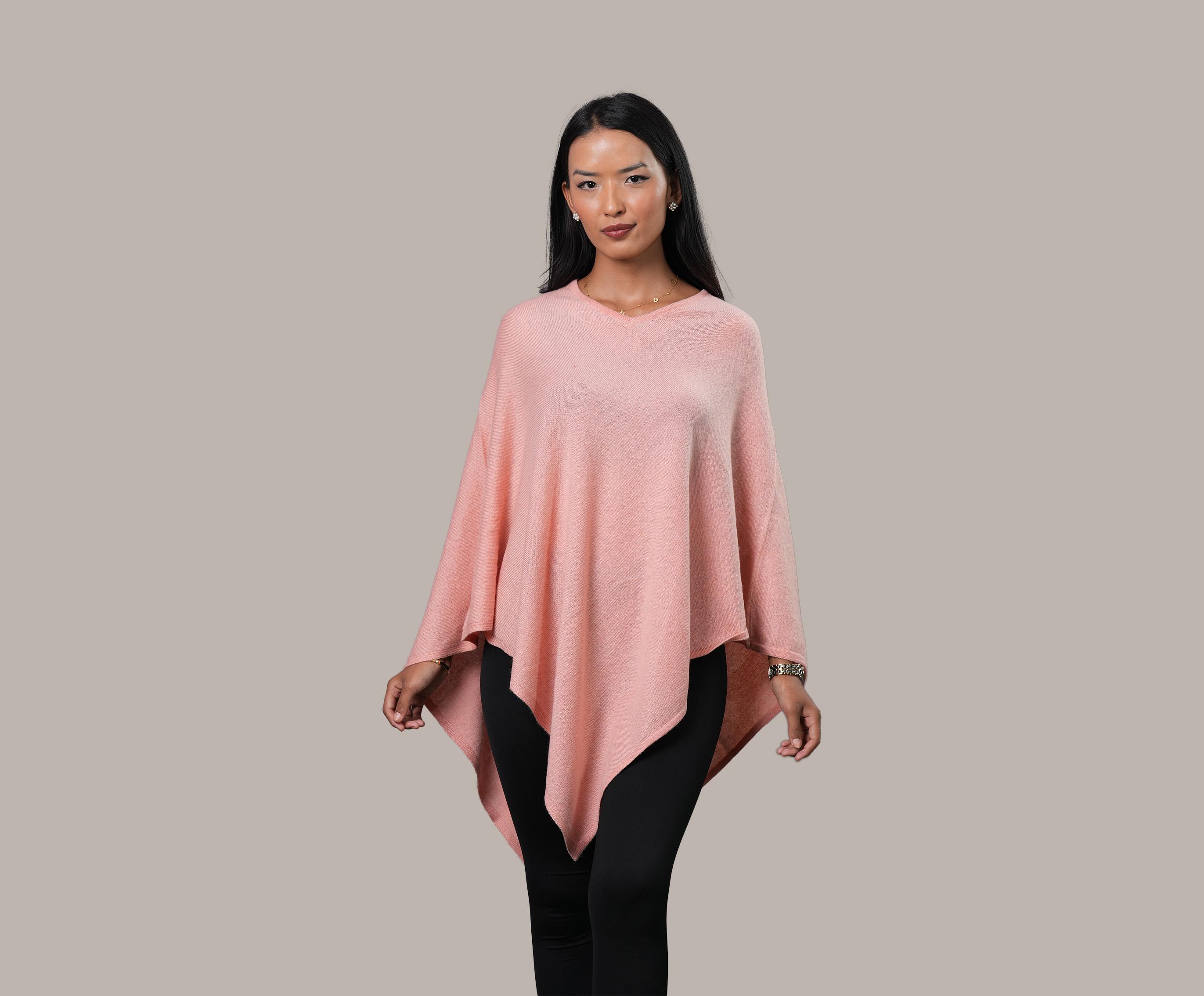
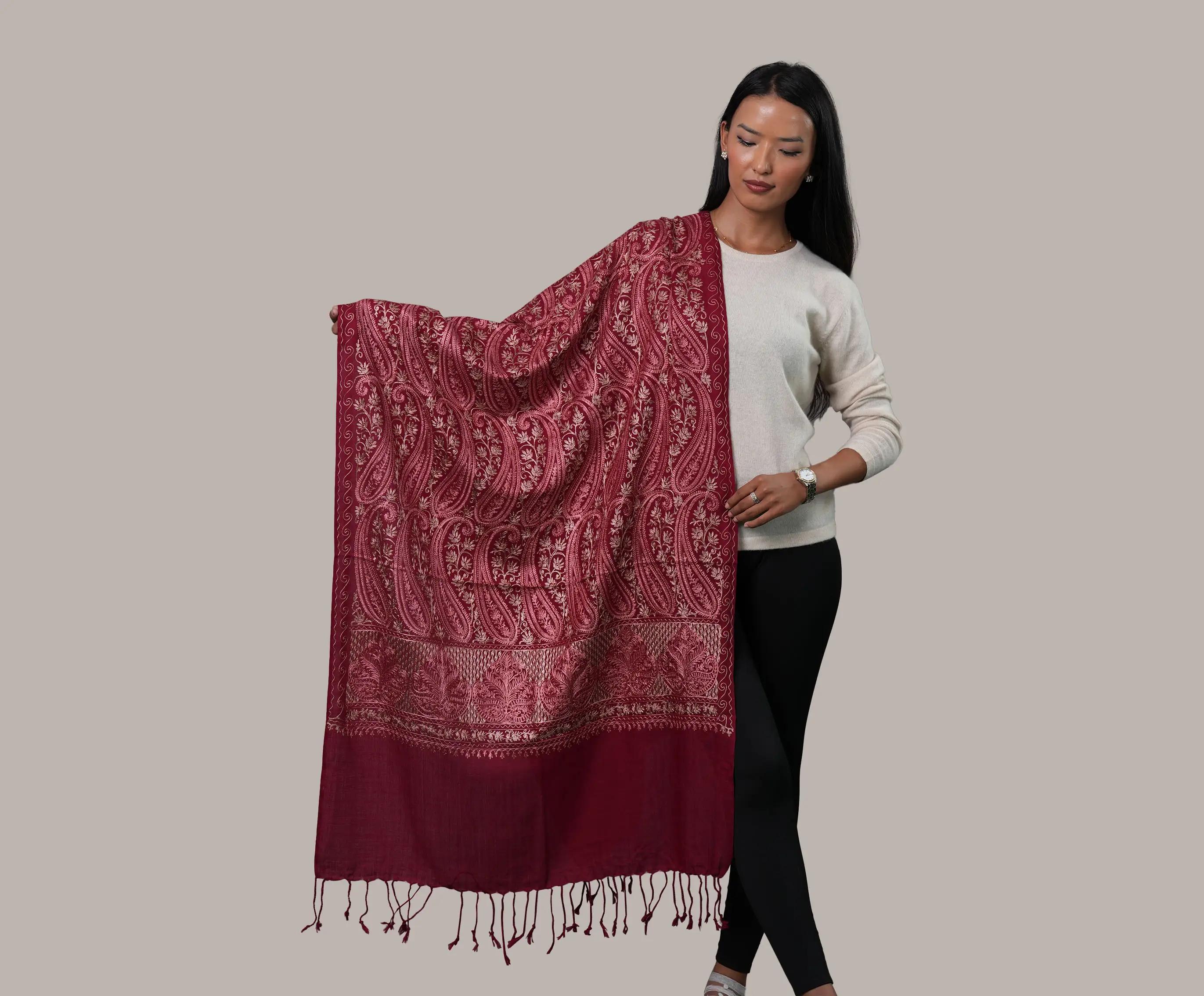
Cashmere collection at Yes Helping Hand you need to check.


Frequently Asked Questions
1. Is pashmina the same as cashmere?
No. Pashmina is a special type of cashmere made from the Changthangi goat in the Himalayas. It is finer and softer, but also more delicate. Regular cashmere comes from other goats and is stronger and more versatile.
2. Which is better: cashmere or pashmina?
For everyday wear, cashmere is better because it is durable, easy to care for, and available in many clothing styles. Pashmina is very soft and rare, but it is fragile and mostly used for shawls and stoles.
3. Why is pashmina more expensive than cashmere?
Pashmina is rarer and made from very fine fibers that are hand-spun and handwoven, which takes a lot of time. This makes real pashmina shawls cost more than most cashmere products.
4. How can I tell if my pashmina is real?
A real pashmina feels extremely soft, light, and warm. It is usually handwoven, and when you hold it against light, you can often see the fine weave. Many cheap products labeled “pashmina” are actually viscose, polyester, or low-quality blends.
5. Are pashmina and cashmere the same?
They are both types of wool derived from cashmere goats, but pashmina is a much finer and softer form of cashmere. It is carefully hand-spun from the undercoat of Himalayan goats, giving it a delicate texture, lightweight feel, and exceptional warmth, making it more luxurious and premium compared to regular cashmere.
6. What is the difference between cashmere and pashmina?
Cashmere is a broader term for fine wool collected from cashmere goats, while pashmina specifically refers to the softest, thinnest fibers from the Himalayan mountain goat. Pashmina is hand-spun and traditionally crafted, making it rarer and more delicate than regular cashmere.
7. Is pashmina more expensive than cashmere?
Yes, pashmina is generally more expensive than regular cashmere. This is because pashmina is a finer, softer, and rarer form of cashmere, often hand-spun and traditionally crafted, which increases its labor, quality, and exclusivity compared to standard cashmere products.
8. Do cashmere and pashmina support sustainable fashion?
Yes, both fibers support sustainable fashion when sourced responsibly. They are natural, biodegradable materials, and their production often involves traditional handcrafting that supports local herders and artisans. Because cashmere and pashmina pieces are long-lasting, they reduce waste and encourage more mindful, eco-friendly fashion choices.
9. Is cashmere warmer than pashmina?
Both are warmer than regular wool, but pashmina fibers are slightly finer, so they feel lighter. However, cashmere is thicker and more durable, which makes it better for staying warm in everyday clothing like sweaters and coats.