The Real Cashmere Buyer's Guide - By Yes Helping Hand
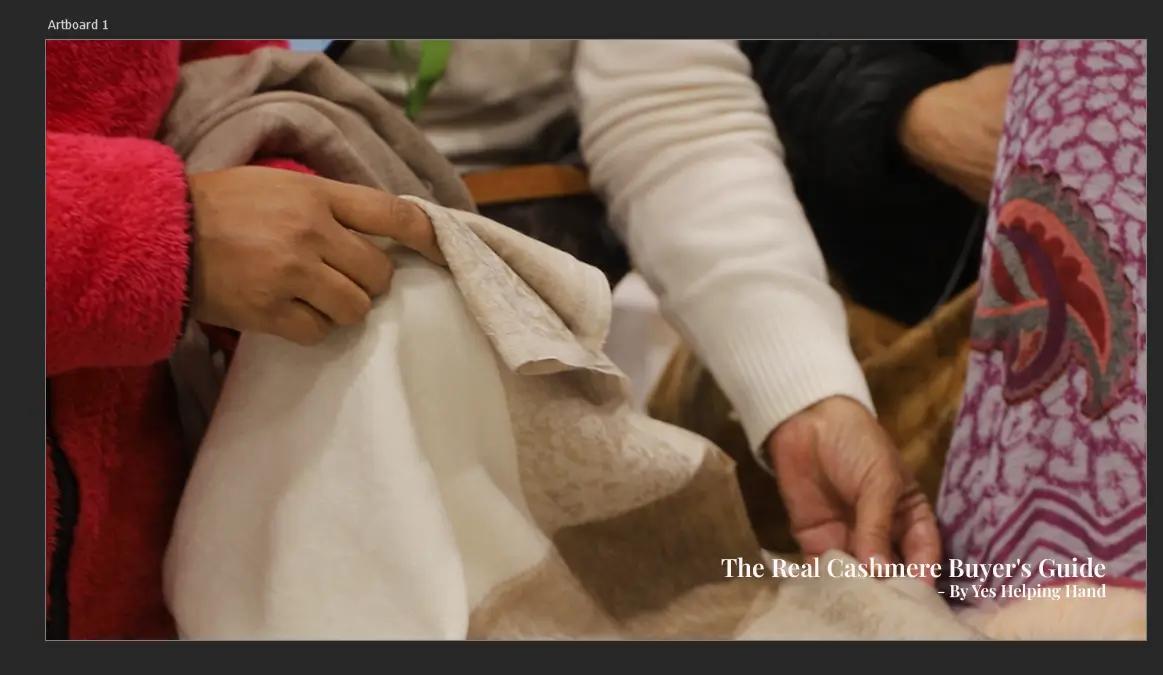
→ A research-backed analysis to help you make informed cashmere purchases.
Learn cashmere basics before you start this cashmere buying guide.
Cashmere Quality Grading Systems: The Hidden Reality
The cashmere industry operates on a deliberately opaque grading system that benefits mass producers while confusing consumers. Understanding these classifications reveals why 90% of commercial "cashmere" fails to meet traditional quality standards.
The Real Grade Classifications
| Grade | Diameter Range(Mostly) | Length (Minimum) | Market Reality |
| Grade A | 14.0 - 15.5 microns | 36-40mm | <1% of market |
| Grade B | 15.6-19.0 microns | 32-35mm | 75% of market |
| Grade C | 19.1-30.0 microns | 28-31mm | 24% of market |
The Truth: Most "premium" cashmere brands sell Grade B fiber at Grade A prices.
Cashmere Geographic Origins: Why Location Matters More Than Brand
Altitude Impact on Quality
Scientific research from Nepal shows a direct correlation between elevation and fiber quality:
- Sea Level - 1,000m: 19.2 microns average
- 1,000m - 2,500m: 17.8 microns average
- 2,500m - 4,000m: 16.1 microns average
- 3,000m+ (Himalayan): 14.7 microns average at highest elevations
→ Key Insight: Himalayan cashmere, produced at altitudes exceeding 3,000 meters, consistently yields the finest fibers globally, regardless of brand marketing claims.
Professional Quality Assessment: What to Look For
The Touch Test Protocol
Immediate Quality Indicators:
- Initial Touch: Back-of-hand test - Grade A feels silk-like
- Compression Test: Press fabric for 5 seconds - should spring back immediately
- Stretch Test: Gentle stretching should show elasticity with full recovery
- Surface Inspection: Look for consistent fiber alignment
Red Flags to Avoid
- Excessive Pilling: Indicates short fiber length (Grade C)
- Stiff Feel: Machine processing that damages fibers
- Uneven Texture: Poor quality control
- Chemical Smell: Over-processing with harsh chemicals
Ply Construction in Cashmere - Durability Secret
Why Ply Count Determines Longevity
| Ply Count | Stress Per Element | Expected Lifespan | Best For |
| 2 Ply | 100% stress concentration | 2 - 3 years | Budget Considerations |
| 4 Ply | 25% stress per element | 15 - 20 years | Optimal investment |
| 6 Ply | 16.7 % stress per element | 20 + years | Heirloom pieces |
→ Investment Reality: 4-ply construction offers the best value - 5x longer lifespan for only 1.5x the price.
Manufacturing Methods: Why Hand-Woven Matters
Handwoven vs. Machine Production
| Aspect | Handloom | Machine | Impact |
| Fiber Breakage | Minimal | 8 - 12% | 90% better preservation |
| Tension Control | Adaptive | Fixed | Prevents Damage |
| Production Time | 32 - 48 Hours | 1.5 - 3 hours | Quality vs. Speed |
| 5 - Year Performance | 2% Degradation | 35% Degradation | 17x Better Longevity |
→ Why it Matters: Machine production prioritizes speed over quality, systematically damaging fibers during manufacturing.
Now you know the benefits of hand-woven cashmere vs the machine-made, check out our handmade cashmere products, which are sure to last more than 5 years.
Premium Hand Woven Cashmere Clothing:
Pure affordable cashmere with handwoven construction that outperforms machine-made alternatives. Superior craftsmanship at honest pricing without inflated cashmere grade claims.
Cashmere Industry Myths Debunked
Myth 1: "All Cashmere Pills Continuously"
Reality: All authentic cashmere pills initially during the first few wears as loose surface fibers are removed. Grade A cashmere stops pilling after this break-in period, while lower grades continue pilling throughout their lifespan.
Myth 2: "Higher Price = Better Quality"
Analysis: Designer brands often charge $800 for Grade B fiber, while authentic cashmere, but handwoven artisan pieces cost $150.
Myth 3: "Dry Cleaning is Best"
Truth: Dry cleaning chemicals degrade protein fibers by 12-18% per 10 cycles. Gentle hand washing preserves quality.
Myth 4: "Mongolian Cashmere is Always Superior"
Fact: Altitude matters more than country. Himalayan cashmere at 3,000+ meters (Quality Index: 9.7/10) outperforms standard Mongolian cashmere at 1,000-2,500m (Quality Index: 8.2/10).
The Bottom Line of this Cashmere Guide:
90% of cashmere buyers unknowingly purchase inferior products at premium prices. Armed with this knowledge, you can:
- Identify authentic Grade A quality
- Avoid marketing manipulation
- Achieve 67% cost savings over time
- Own cashmere that actually improves with age
Key Takeaway: Invest in Grade A, handloom-produced, high-altitude cashmere from authentic artisan sources. It's not just better quality - it's smarter economics.
Ready to experience authentic, sustainable cashmere?
Discover how Yes Helping Hand combines 100% pure Cashmere from the Himalayas and maintains quality while contributing to meaningful social impact. Find out what makes our cashmere special, including our cruelty-free sourcing and traditional processing techniques.
Because luxury should elevate communities, not exploit them.
→ Explore our complete sustainable collection