Free Shipping worldwide on order above $100
Apply for Wholesale

All Categories

Environment Friendly Pashmina and Fibers by Yes Helping Hand

Environment Friendly Pashmina and Fibers by Yes Helping Hand

Yes Helping Hand2024-10-22

Himalayan Pashmina and Natural Fibers by Yes Helping Hand

Being environment-friendly means living without harming our planet while maintaining sustainability for all living beings. Material selection is crucial in sustainable product design and engineering.

According to the Geneva Environment Network (2023), around 60% of all materials used in the fashion industry are plastic-based fibers, and approximately 500,000 tons of microfibers are released into the ocean each year solely from washing clothes.

⇒ Fashion Industry Impact:

→ One of the world’s largest pollution contributors globally.
→ Generates significant water contamination through dyeing and finishing processes.
→ Contributes to air pollution via greenhouse gas emissions from production and transportation.
→ Causes soil contamination from pesticide-intensive cultivation of non‐plastic fibers and the disposal of synthetic textiles. 
→ Utilizes plastic‐based fibers for approximately 60% of all materials, amplifying persistent pollution.
→ Releases about 500,000 tons of microfibers into the ocean each year through laundering garments.

Still questioning the organic and synthetic fiber gap? Here are the facts:

Comparison FactorNatural FibersSynthetic Fibers
Market Share (2023)~30–40% of total fiber consumption~60% of total fiber consumption
Microfiber PollutionNone500,000 tons released into oceans annually
BiodegradabilityFully biodegradableNon-biodegradable
Carbon FootprintLow (renewable feedstocks)High (petroleum-based)
Ocean ImpactNo microfiber sheddingPersistent marine contamination

Note: The Above table is created based on the data from these webpages:

Textile Exchange, Materials Market Report 2023
Grand View Research, Natural Fiber Market Size & Share 2024
Geneva Environment Network, Sustainable Fashion overview 2023

Trying to minimize these issues, no matter how small our contribution will be, Yes Helping Hand believes it is our responsibility and duty to embrace environment friendly measures and create a sustainable ecosystem for the fashion and garment industry.

Our search for eco-friendly materials revealed that natural fibers like hemp (plant-based) and cashmere and natural wool (animal-based) are superior sustainable alternatives to synthetic fibers such as nylon, spandex, and rayon. These natural materials offer the perfect combination of environmental responsibility and luxury, creating sustainable pieces that are both sustainable and stylish.

How We Source Natural Fibers Ethically

Following Yes Helping Hand’s motto of sustainability and empowerment, we source our fibers from within the Himalayas of Nepal and local farmers supporting the economy and preserving the tradition and culture passed down by the ancestors of the region.

Starting from Cashmere, our Himalayan cashmere comes from the fur and undercoat of the Himalayan goat, referred to as Chyangra. Unlike the farming sites where animals are kept in captivity, the Himalayan goats roam freely in the nature and pastures of the Himalayas. 

With the Himalayan goat’s remarkable adaptability to the harsh Himalayan environment, its undercoat produces luxurious wool, which is referred to as Pashmina, a better version of Cashmere. 

Our local herders carefully gather this precious fiber by gently combing the goats during the molting season without harming the animals.

Along with Himalayan Pashmina, we also work with local farmers around the country to source natural wool and hemp fibers. We highly believe in working jointly to create a better place so our farmers use organic compost fertilizers created from the biodegradable household waste that preserves the fertility of soil and keeps the environment healthy.

Sourcing natural fibers from trusted farmers who share the same moral values as ours is our way of supporting the sustainability of the planet Earth.

Handmade Products: Caring for Our Planet

From spinning delicate Himalayan Cashmere and pashmina fibers to wrapping threads on handlooms to drafting precise patterns and art on the handicraft, we minimize carbon emissions by avoiding the usage of machinery and emphasizing hand-made products. Every scarf, sweater, or accessory is made using traditional techniques passed down through generations, built on patience, skill, and respect for nature. This not only protects the environment but also preserves our rich cultural heritage of Nepal.

Choosing Natural Over Synthetic

The main environmental impacts of synthetic fiber pollution include the release of microplastics into water bodies, leading to contamination of aquatic ecosystems. This leads to ingestion by marine life, resulting in injury or death, and contributes to long-standing soil pollution due to their non-biodegradable nature, affecting terrestrial ecosystems and potentially entering the human food chain.

Naturally sourced Pashmina, wool, and hemp are not only beautiful but also good for the planet. Pashmina is lightweight yet warm, cashmere wool that provides great insulation, and hemp grows quickly without needing harmful chemicals. By promoting these materials, we help reduce the need for synthetic options and contribute to a healthier Earth in our way.

Caring for Our Future

We know that our choices today will impact future generations. Many companies began implementing sustainability in their manufacturing processes during the last years; by reducing, recycling, implementing ethical and environmentally-friendly operations, etc. 

True sustainability isn't about appearing conscious or using it as a marketing tool to sell products. It's about genuinely focusing on the betterment of our environment and society while aligning with global sustainable development goals. Our commitment goes beyond fashion trends to create a meaningful impact for future generations.

By focusing on sustainable practices, Yes Helping Hand is committed to protecting our planet for the coming generation. Every product we make helps support our community, and a part of our profits goes back into education and initiatives that promote sustainable living.

The Power of Your Choices

The Future is Sustainable

Sustainable fibers are changing fashion forever. More people care about the environment every day, so they buy from brands that make good choices for our planet. Brands that don't care about sustainability will need to change or lose customers.

Why Choose Yes Helping Hand?

When you buy from us, you get more than a beautiful product. You join a movement that matters. Every item tells the story of differently abled artisans and shows how your choices help the world.

Yes Helping Hand is a Nepal-based sustainable fashion brand committed to environmental responsibility and community empowerment. We source natural fibers directly from the Himalayas and work with local farmers to create handmade products using traditional techniques, minimizing our carbon footprint while supporting specially-abled artisans and preserving cultural heritage.

⇒ Key Sustainability Features:

→ Himalayan Pashmina from free-roaming Chyangra goats (no captivity farming)
→ Natural fibers (hemp, wool, cashmere) instead of synthetic materials
→ Hand-spinning and traditional loom weaving instead of heavy machinery
→ Direct sourcing from local Nepali farmers and herders
→ Handcrafted products using generational techniques
→ Portion of profits reinvested in education and sustainable living initiatives
→ Supports specially-abled artisans and local communities

⇒ Environmental Impact:

→ Eliminates synthetic microfiber pollution in oceans
→ Biodegradable materials that don't harm soil or water
→ Reduces dependency on plastic-based fashion fibers
→ Chemical-free cultivation and production processes
→ Your Impact Makes a Difference

Choose the cashmere collection at Yes Helping Hand.

Each handmade Himalayan pashmina, wool, or hemp product you buy helps families earn money, keeps old traditions alive, and protects our environment. When we work together, we can make real change happen.

We won't claim that buying from us will change the world, but if you're already planning to shop, why not choose products that support specially abled artisans and help the environment at the same time?

If you're curious about what we've been talking about, you can always check out yeshelpinghand.com/shop. Ultimately, the choice is yours.

Women and Disabled People Empowerment organization of Nepal

Women and Disabled People Empowerment organization of Nepal

Yes Helping Hand2024-12-18

At Yes Helping Hand, we strongly believe that skills can change lives. Particularly when who need opportunity the most. Through imparting useful skills like as knitting, spinning, weaving, sewing, and painting, we enable marginalized populations, single mother and people with disabilities to become financially independent and to create better futures.

Our Goal: Skills development for better life

Yes Helping Hand was established on the belief that everyone ought to have the chance to grow, learn, and earn. Irrespective of upbringing, life events, or level of physical ability, they should be able to live a respectful life. By offering instruction in both ancient and contemporary crafts, we hope to enhance communities by empowering people to discover their own hidden abilities and develop them into reliable sources of income.

Who We Support

Single Mothers: Single mothers who have experienced hardships, are frequently struggling to make ends meet. This could be as a result of spouse loss or other life challenges. They are trained to gain the knowledge and job to achieve financial independence.

Marginalized Communities: Opportunities for skill development are scarce for many people from disadvantaged backgrounds. We establish a friendly environment where people can develop and make significant contributions to society.

Individuals with Disabilities: We think that a person's physical disabilities should never stand in the way of their accomplishment. We assist people with disabilities in developing skills that not only empower them but also allow them to show off their amazing talents by providing training customized to meet their needs.
Our Teachings: Building a Better Future

Our training courses provide hands-on learning opportunities and direction. They are taught a variety of traditional and artistic skills such as:

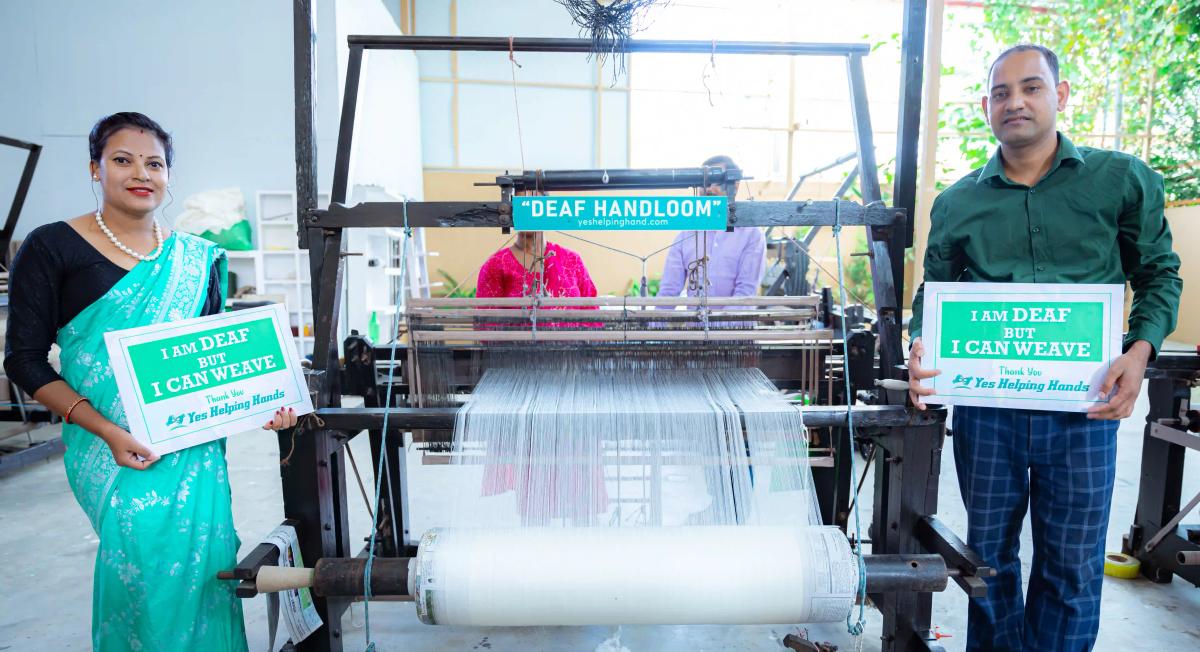
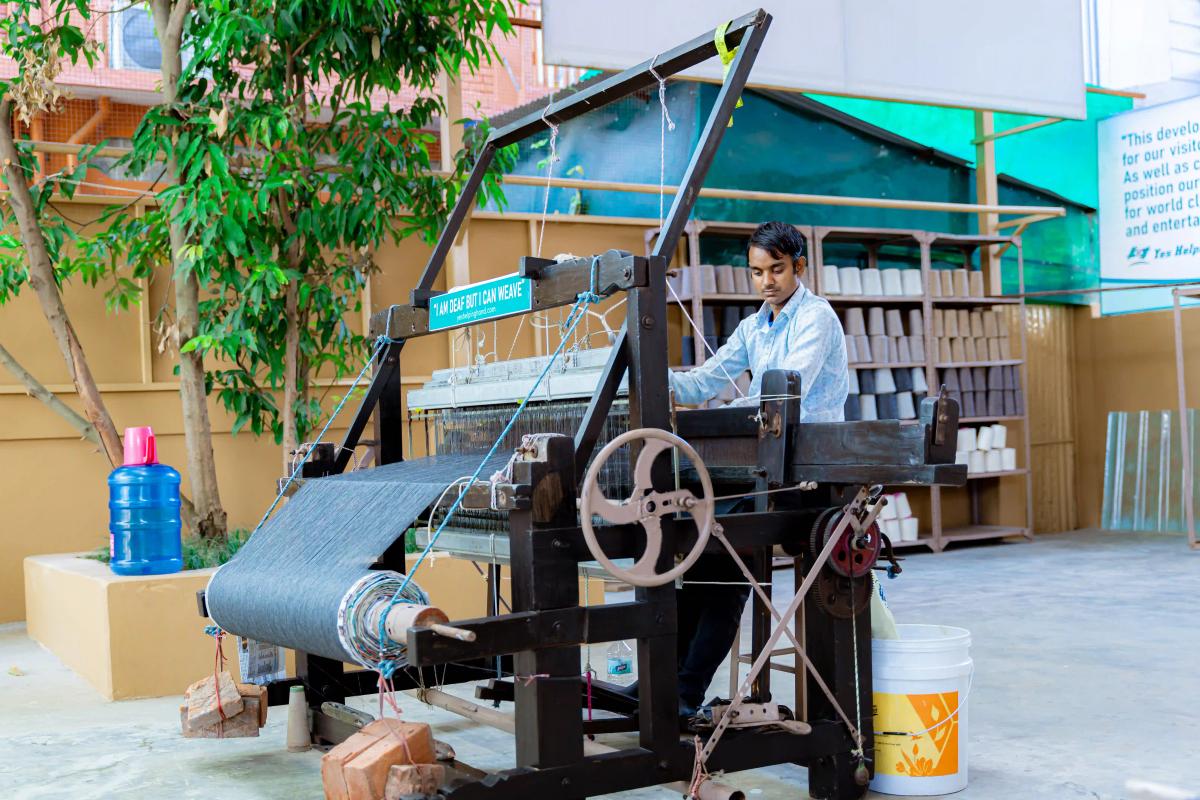
  • Weaving: Our trainees are provided with 3 months training along with basic allowance. Once they  acquire the skill of weaving, they get job opportunities, where they get paid on the basis of the number of products they make. They get the expertise required to create superior woven goods, starting with basic patterns and progressing to more complex designs, ultimately making great designs.
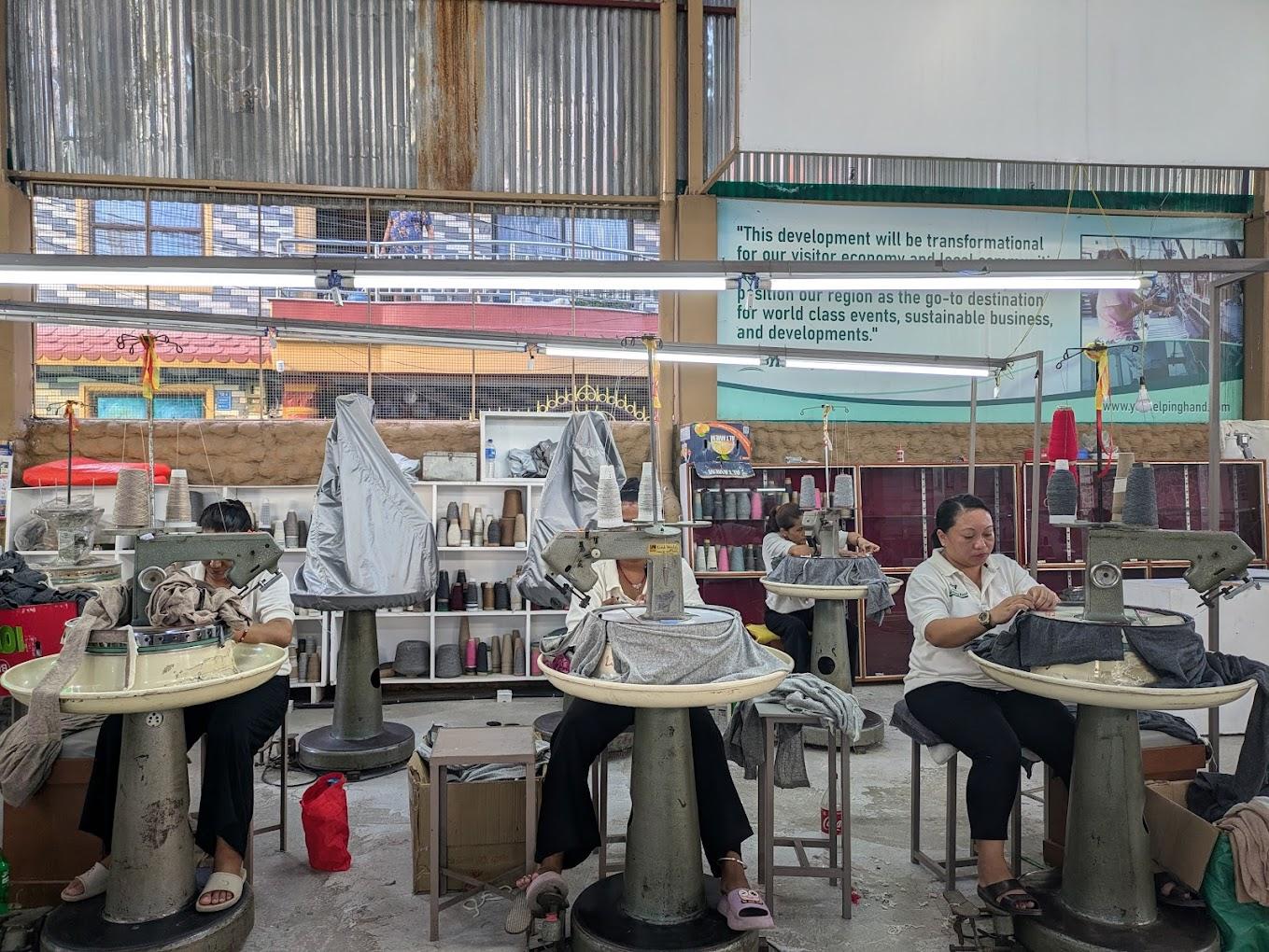
  • Mending: Through upcycling and mending clothes, we can cut waste and contribute to sustainable fashion. These skills are taught in depth within 3 months.
  • Spinning: People can give their products unique touch by learning to spin their own yarn and making their own fabrics and threads.
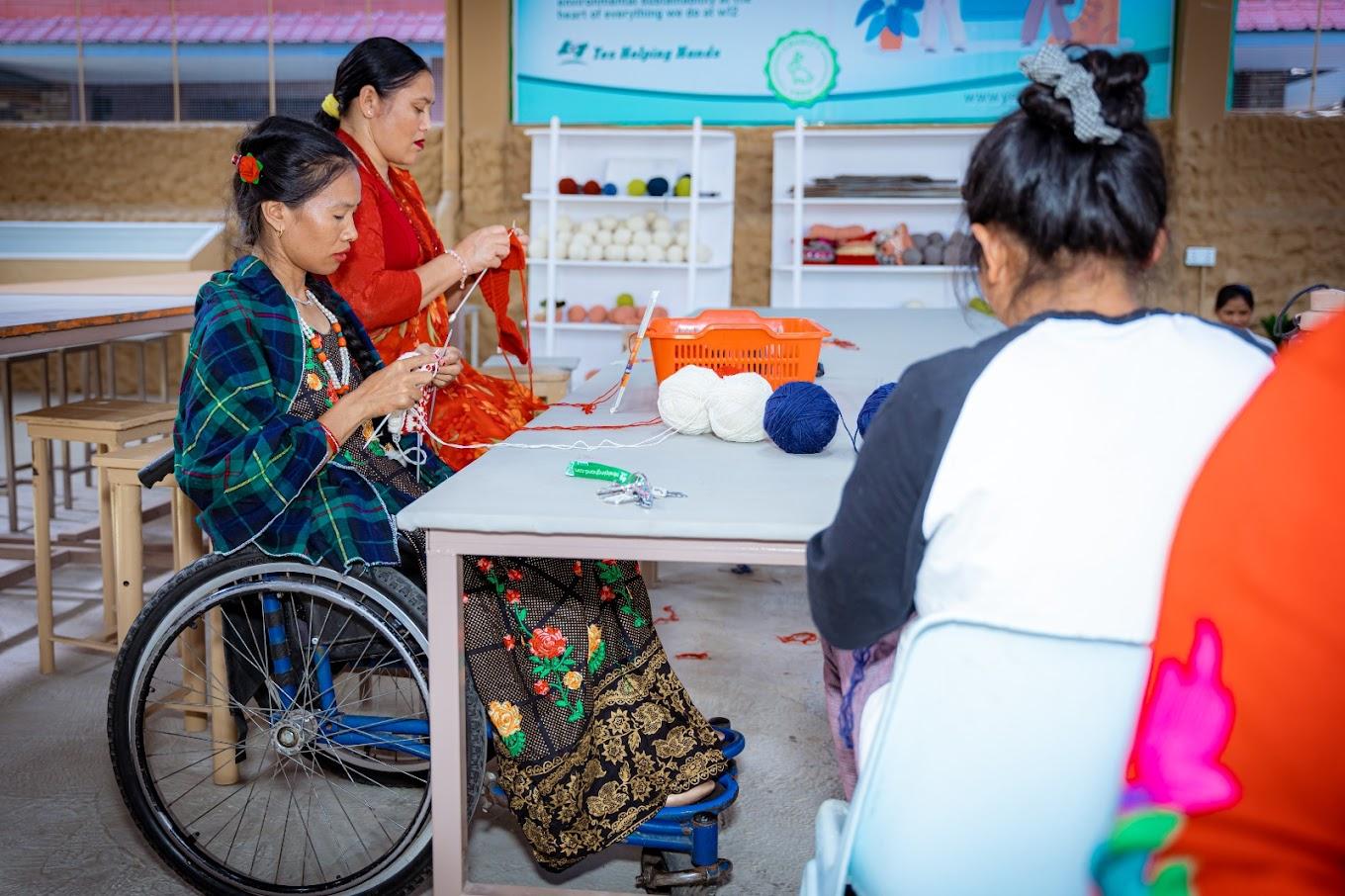
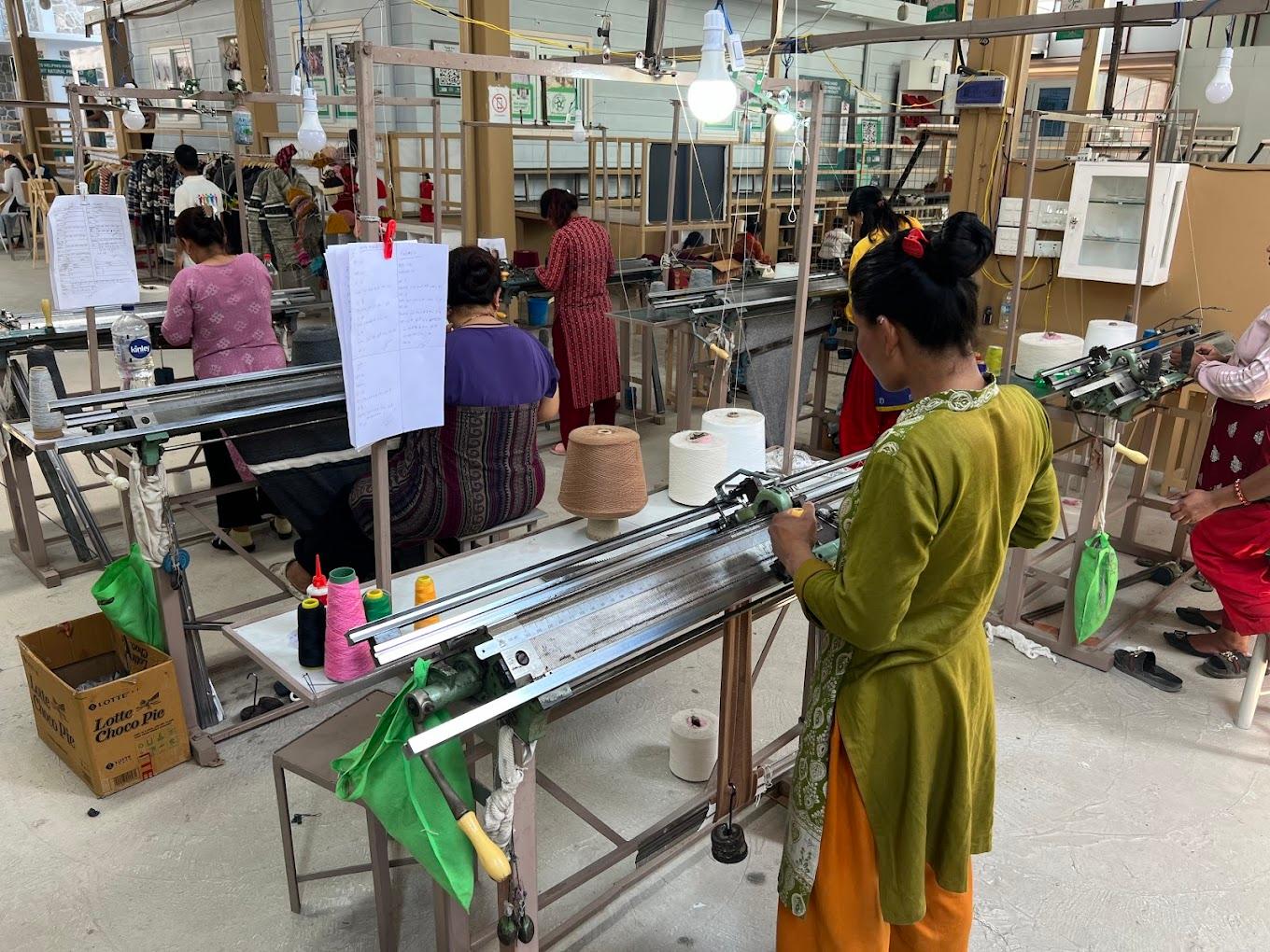
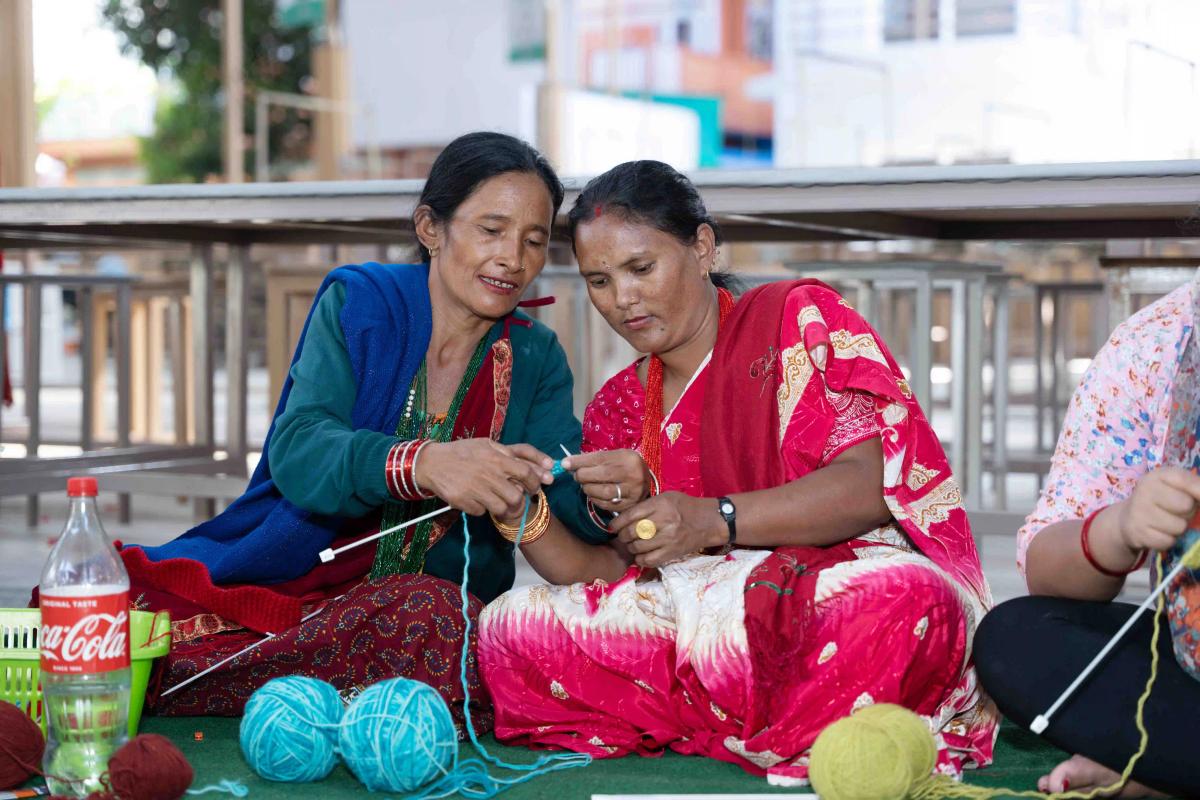
  • Knitting: Those who knit can create everything they long for. This skill gives our makers a sense of pride and achievement, as well as income.
  • Painting: Through self-expression and creativity, our painting classes enable participants to make great art. These are later sold giving them an opportunity to earn.
Learn and Earn

Yes Helping Hand offers more than just instruction. We establish a whole ecosystem in which users can produce, learn, and make money:

  • High-quality instruction: Our knowledgeable instructors support participants at every turn, making sure they gain confidence in their ability to do each task.
  • Product Development: We train makers in design, quality assurance, and branding. They make  market-ready, high-quality products by end of 3 months.
  • Market Access: We provide participants with a platform to sell their works by connecting them with local and international markets once their items are ready. As a result, They are able to improve their standard of living by earning.

Success Stories:

Our path has been replete with heartwarming tales of bravery, resiliency, and transformation.

Durga Sharma addressed life's obstacles head-on, raising her two children alone for four years despite only having completed her 10th grade education. She has now completely changed her life as Maker of Yes Helping Hands. She has becoming a confident and independent weaver who can now confidently support her family.

Rita Pokharel, who was born with physical disabilities, surmounted life's hardships with fortitude and discovered freedom and purpose via Yes Helping Hands, where she now proudly provides for her family.

Why Our Method Is Effective

Holistic Training: To ensure that our makers are prepared for success, we offer a market ready learning experience.

We have inclusive atmosphere: We are accessible and friendly at our training facilities, which creates a sense of belonging. Each maker is respected and assisted.

Sustainable Impact: We create sustainable livelihoods for the makers such that they can earn with the skills they have.

Ways in Which You Can Encourage Yes Providing Assistance

We couldn't do our work without the kind people and organizations that support us. Here are some ways you can support our mission:

Invest in Handmade Goods: You can directly assist our members on their path to financial independence by purchasing goods manufactured by them.

Spend 2 hours with us: You can join our exclusive " Each one Teach one" workshop where you will have opportunity to learn from and support these artists.

Forward-Looking: Establishing a Community of Innovators

Not only do we teach skills at Yes Helping Hands, but we also cultivate a community of capable, self-assured changemakers who are eager to make a difference. Our efforts to empower single mother, underprivileged groups, and people with different abilities have a beneficial impact that spreads far beyond our training facilities in home.

Come along on this empowerment and skill-building adventure with us. We can build a future where everyone has the opportunity to learn and earn, by working together to create opportunities and improve communities.
Empowering Lives Through Skill Development: Yes Helping Hands' Journey

Empowering Lives Through Skill Development: Yes Helping Hands' Journey

Dinesh Kumar Thapa2024-09-23

At Yes Helping Hand, we strongly believe that skills can change lives. Particularly when who need the opportunity the most. Through imparting useful skills like as knitting, spinning, weaving, sewing, and painting, we enable marginalized populations, single mothers, and people with disabilities to become financially independent and to create better futures.

Our Goal: Skills development for better life

Yes Helping Hand was established on the belief that everyone ought to have the chance to grow, learn, and earn. Irrespective of upbringing, life events or level of physical ability, they should be able to life respectful life. By offering instruction in both ancient and contemporary crafts, we hope to enhance communities by empowering people to discover their own hidden abilities and develop them into reliable sources of income.

Who We Support

Single Mothers: Single mothers who have experienced hardships are frequently struggling to make ends meet. This could be a result of spouse loss or other life challenges. They are trained to gain the knowledge and job to achieve financial independence.

Marginalized Communities: Opportunities for skill development are scarce for many people from disadvantaged backgrounds. We establish a friendly environment where people can develop and make significant contributions to society.

Individuals with Disabilities: We think that a person's physical disabilities should never stand in the way of their accomplishment. We assist people with disabilities in developing skills that not only empower them but also allow them to show off their amazing talents by providing training customized to meet their needs.

Our Teachings: Building a Better Future

Our training courses provide hands-on learning opportunities and direction. They are taught a variety of traditional and artistic skills such as:

  • Weaving: Our trainees are provided with 3 months training along with basic allowance. Once they  acquire the skill of weaving, they get job opportunities, where they get paid on the basis of the number of products they make. They get the expertise required to create superior woven goods, starting with basic patterns and progressing to more complex designs, ultimately making great designs.
  • Mending: Through upcycling and mending clothes, we can cut waste and contribute to sustainable fashion. These skills are taught in depth within 3 months.
  • Spinning: People can give their products unique touch by learning to spin their own yarn and making their own fabrics and threads.
  • Knitting: Those who knit can create everything they long for. This skill gives our makers a sense of pride and achievement, as well as income.
  • Painting: Through self-expression and creativity, our painting classes enable participants to make great art. These are later sold giving them an opportunity to earn.

Learn and Earn

Yes Helping Hand offers more than just instruction. We establish a whole ecosystem in which users can produce, learn, and make money:

  • High-quality instruction: Our knowledgeable instructors support participants at every turn, making sure they gain confidence in their ability to do each task.
  • Product Development: We train makers in design, quality assurance, and branding. They make  market-ready, high-quality products by end of 3 months.
  • Market Access: We provide participants with a platform to sell their works by connecting them with local and international markets once their items are ready. As a result, they are able to improve their standard of living by earning.

Success Stories:

Our path has been replete with heartwarming tales of bravery, resiliency, and transformation. Durga Sharma addressed life's obstacles head-on, raising her two children alone for four years despite only having completed her 10th-grade education. She has now completely changed her life as the Maker of Yes Helping Hand. She has become a confident and independent weaver who can now confidently support her family. Rita Pokharel, who was born with physical disabilities, surmounted life's hardships with fortitude and discovered freedom and purpose via Yes Helping Hands, where she now proudly provides for her family.

Behind every handcrafted product is a story of empowerment, resilience, and hope. Read our more maker stories who are building better futures for themselves and their families  

Why Our Method Is Effective

Holistic Training: To ensure that our makers are prepared for success, we offer a market-ready learning experience.

Inclusive atmosphere: We are accessible and friendly at our training facilities, which creates a sense of belonging. Each maker is respected and assisted.

Sustainable Impact: We create sustainable livelihoods for the makers such that they can earn with the skills they have.

Fair Compensation: Our makers are paid according to their work output, ensuring that dedication and skill directly translate into fair earnings. This performance-based payment system motivates continuous improvement while providing financial security based on individual contribution.

Ways in Which You Can Encourage Yes Providing Assistance

We couldn't do our work without the kind people and organizations that support us. Here are some ways you can support our mission

Invest in Handmade Goods: You can directly assist our members on their path to financial independence by purchasing goods manufactured by them.

Training program: You can join our exclusive " Each One Teach One" workshop, where you will have the opportunity to learn from and support these artists.

Forward-Looking: Establishing a Community of Innovators

Not only do we teach skills at Yes Helping Hand, but we also cultivate a community of capable, self-assured changemakers who are eager to make a difference. Our efforts to empower single mother, underprivileged groups, and people with different abilities have a beneficial impact that spreads far beyond our training facilities in home.

Come along on this empowerment and skill-building adventure with us. We can build a future where everyone has the opportunity to learn and earn, by working together to create opportunities and improve communities.
Understanding Animal Cruelty-Free -Compassion in Every Stitch

Understanding Animal Cruelty-Free -Compassion in Every Stitch

Yes Helping Hand2024-10-18

Have you ever wondered where your wool sweater really comes from? Or thought about the journey of that cozy scarf you love wearing in winter? Let's talk about something important that often goes unnoticed in our daily lives.

What Does Animal Cruelty Mean?

Animal cruelty is when animals are harmed, hurt, or treated badly for human use. This can mean many things:

  • Physical harm or pain caused to animals
  • Keeping animals in small, uncomfortable spaces 
  • Not giving them proper food, water, or care 
  • Treating them like objects instead of living beings who can feel pain and fear

In the fashion and textile industry, millions of animals face cruelty every single day just so we can have wool, leather, silk, and other products.

The Truth About Wool Production

Most people think getting wool is harmless. We imagine happy sheep getting a haircut on a peaceful farm. But the reality is very different.

How Sheep Are Exploited for Wool

  • Many sheep are kept in crowded, dirty areas and don’t get proper care when sick or hurt.
  •  Shearing is rushed, and sheep are handled roughly, leading to cuts and injuries.
  • Lambs have their tails cut off, usually with no pain medicine.
  • Sheep get older and make less wool, so they are often sent to slaughter because they are no longer profitable.

What Does "Every Stitch" Really Mean?

When we say compassion in every stitch, we mean something special. Every single loop of yarn, every knot, every row of a hand-knit product represents a choice.

  • A choice to be kind. 
  • A choice not to harm. 
  • A choice to create beauty without causing pain.

Traditional woolen products mean every stitch came from an animal that might have suffered. But cruelty-free products mean every stitch was made with care, compassion, and respect for all living beings.

Yes Helping Hand: Where Compassion Meets Craftsmanship

This is where Yes Helping Hand comes into the story.

We believe that beautiful, cozy products should never come at the cost of animal suffering. That's why every single item we create is 100% cruelty-free and hand-knitted with love.

We started small, with a few artisans and a strong commitment to compassion. Today, we work with talented craftspeople who create each piece by hand, stitch by stitch, with care and attention.

Every product that leaves our workshop carries a promise that no animal was harmed in making it.

Why Traditional Handcrafted Methods?

You might wonder why we use traditional methods when machines could do it faster.

Here's the beautiful difference:

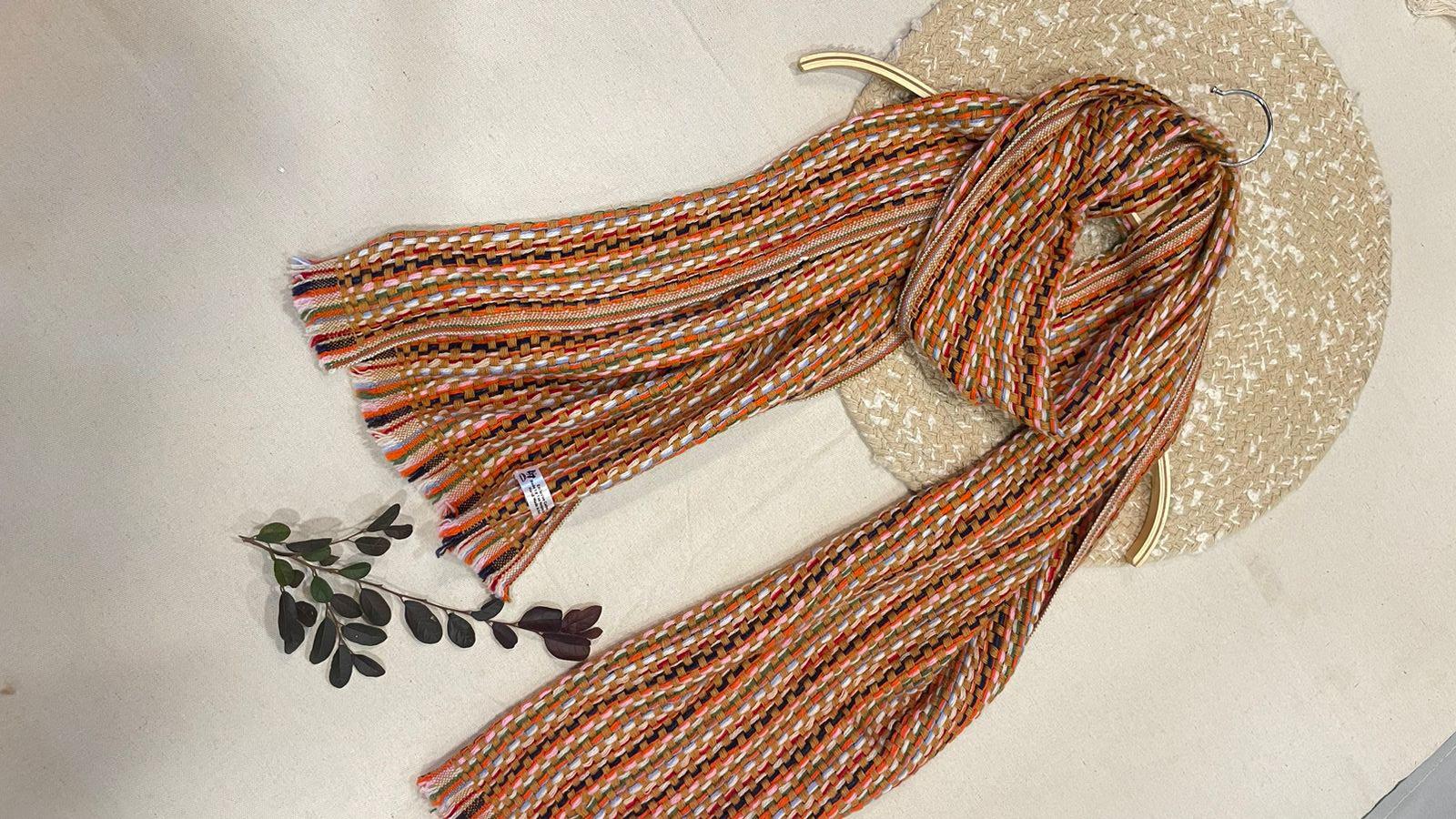
Our Cashmere is handloom-woven: Every piece of our cashmere fabric is woven on traditional handlooms.. The weaver sits at the loom, carefully interlacing each thread by hand, creating fabric that has character and soul. Handloom cashmere is softer, more breathable, and has a texture that machines simply cannot replicate.

Our Wool is Hand-Knitted: Each woolen item is created stitch by stitch using knitting needles and skilled hands. Our artisans spend hours knitting every sweater, glove, and hat. Hand-knitted wool products are more elastic, fit better, and last much longer than machine-knitted alternatives.

Why This Matters:

Superior Quality: Handcrafted items are stronger and last longer than machine-made products. Each stitch and weave is secure and carefully placed.

True Uniqueness: No two handcrafted pieces are exactly the same. Your item carries the individual touch of the artisan who made it.

Supporting Artisans: Traditional handloom weaving and hand-knitting provide meaningful work to skilled craftspeople, especially women in our community who have learned these crafts from their mothers.

MEET OUR ARTISANS

Attention to Detail: Human hands catch and fix small issues that machines would miss. Every piece is checked multiple times during creation. Learn about the cashmere-making process.

Preserving Heritage: By using traditional methods, we keep ancient crafts alive for future generations.

Love in Every Thread: There's something special about wearing something made by human hands with care and intention. You can feel the difference.

OUR COLLECTIONS  

When you wear a Yes Helping Hand product, you're wearing hours of careful work, years of learned skill, and infinite compassion woven or knitted into every thread.

Our Product Collection

Choosing cruelty-free fashion is an invitation to live with more compassion. By purchasing from Yes Helping Hands, you’re supporting warmth, sustainability, and care. You’re not just buying a product, you’re making a statement about your values.

Every time you wear one of our creations, you’re wrapped in more than just softness. You’re wrapped in kindness. By choosing cruelty-free, you help create a world where animals, artisans, and the environment are all treated with respect. That’s a powerful choice.

Empowerment Through Learning: The Each One, Teach One Experience
Community
Dinesh Kumar Thapa2024-11-22

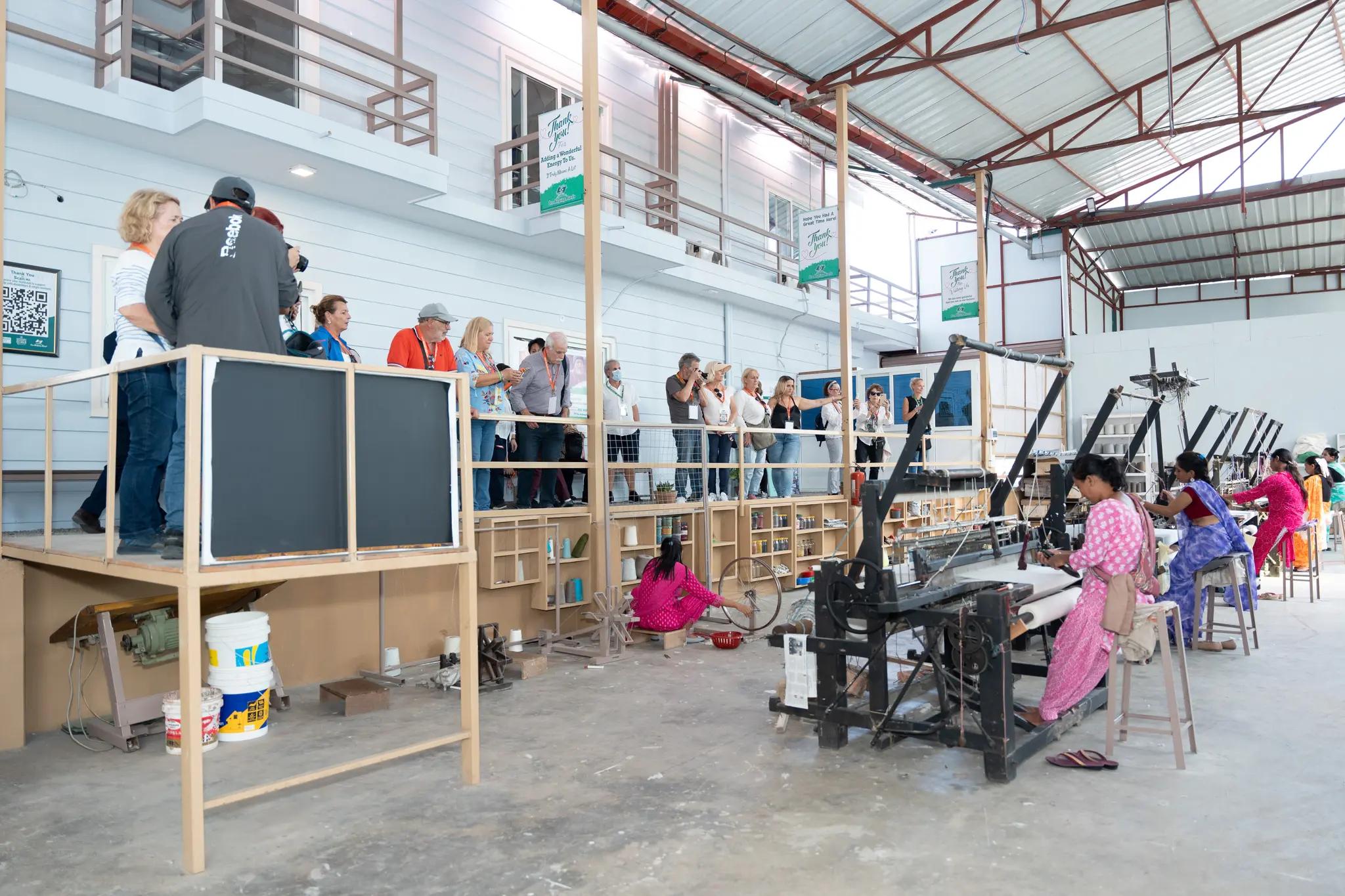
Are you traveling to Nepal and looking for a unique experience in Pokhara? There is an amazing opportunity waiting for you that goes beyond sightseeing. Yes Helping Hand (YHH) runs "Each One, Teach One" program, which provides tourists experience of making weaving, knitting and painting. "Each one Teach one program empowers single mothers and physically challenged individuals, including those who cannot speak or hear. Here, you will learn a skill and hear stories while making a positive impact.

Why This Program?

In Nepal, many single mothers and differently-abled individuals face challenges. Supporting their families is usually difficult. Even though they are have talents, they do not have chances to show their skills. Yes helping hand is home to these individuals. They have been trained to make chasmeer and woolen products. The "Each One, Teach One" program was created to support them by providing a platform where they can share their knowledge and earn simultaneously. This helps them to be independent and support their family.

You will learn directly from artisans who have turned their struggles into strengths. By joining, you support women's empowerment and help differently-abled individuals gain respect in society, and make sustainable earning.

Activities to Take Part in Pokhara – A Unique Learning Experience

The program offers hands-on learning. You will learn from skilled artisans who will guide you step by step. Here’s what you can do:

The program is flexible. You can choose a 2 hour class or all 7-day immersive journey. Each day offers something new.

Empowerment and Impact

By joining, you help empower single mothers and differently-abled individuals. Your participation builds their confidence and helps them gain financial independence. It also supports their children. All fees collected go towards education, healthcare, and essential support for these families.

Additionally, this program is sustainable. All products are animal cruelty-free, promoting ethical practices that respect both nature and life. You will form a bond with artisans whose strength and resilience will inspire you.

Why Should You Join?

Joining the "Each One, Teach One" program means more than taking a workshop. You become part of a mission that supports those in need. You’ll leave with a handcrafted item, but more importantly, you’ll know you’ve made a difference.

The program offers:

This journey isn’t just about learning a craft. It’s about embracing a culture, supporting a cause, and empowering others. When you travel to Nepal, don’t miss this chance. You’ll engage in an enriching experience that creates lasting change in the lives of others. Together, we can build a brighter, more inclusive future for these amazing artisans.

Secure Checkout

Secure Checkout

Encrypted with SSL certificate

Free Exchange

Free Exchange

Hassle-free process

Eco-Friendly

Eco-Friendly

Sustainable practices

Easy Payment

Easy Payment

Convenient and flexible

We accept

paypal
visa
mastercard
alipay
union pay
stripe

Secured Payment

secured by visa
ssl-encryption