How Yes Helping Hand Empowers Its Community in Pokhara

How Yes Helping Hand Empowers Its Community in Pokhara

Yes Helping Hand2024-10-22

At Yes Helping Hand, we believe in empowerment through employment. Founded in 2011 in Pokhara, our mission is clear: to empower specially-abled individuals, marginalized groups, and single mothers by providing free training, employment, and a chance to reclaim their independence. The training costs them nothing because the products they go on to make are what pay for it. That is our social enterprise model in a sentence.

Empowerment Through Employment

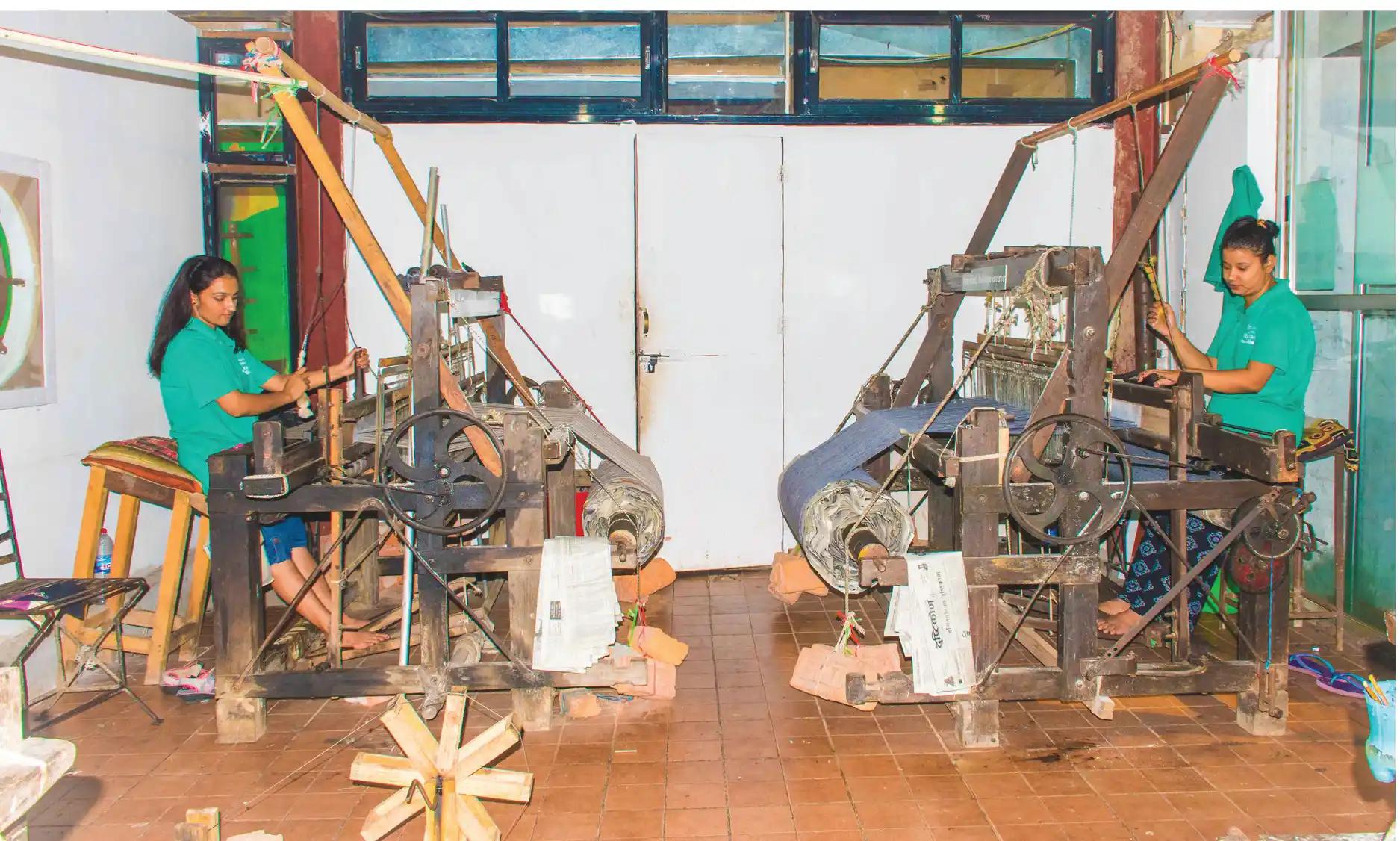
One of the main ways, Yes Helping Hand empowers the community is by providing fair employment opportunities. Many of our workers face physical disabilities or socioeconomic hardships, which limit their access to traditional job markets, by offering hands-on training in traditional Nepali handicrafts like Cashmere Weaving, Dhaka weaving, hand knitting, and carpet knotting. Yes Helping Hand opens doors to sustainable employment,  allowing workers to earn a fair wage and support their families.

Every artisan is covered by NPR 5,00,000 accidental insurance from their first day of work, because the people who make our products deserve to feel secure, not just employed. It is a benefit rarely offered by small artisan organizations in Nepal, and one we consider non-negotiable.

Skill Development and Training

Yes Helping Hand provides more than just jobs. We offer skill development training programs. Our artisans receive hands-on training in their chosen craft, with a particular focus on producing ethically sourced cashmere, Himalayan wool, silk, and natural cotton products. That work starts long before the loom, in how Nepal produces cashmere: the spring combing in Mustang and Dolpo, the hand sorting, and the grading that decides what a fleece is worth. This approach builds technical skills and instils a sense of pride and ownership in the work.

The Each One Teach One training program in Nepal further extends this impact, as experienced artisans train recruits, ensuring that knowledge is passed down and that every participant has the tools to succeed.

Supporting Single Mothers

Balancing childcare while earning a living is often an overwhelming challenge. For single mothers, Yes Helping Hand is more than a workplace, it’s a lifeline. By offering flexible work schedules and the opportunity to work from home, Yes Helping Hand supports mothers to provide for their children while remaining actively involved in their upbringing. The income they generate helps support their families’ education and healthcare needs, offering a brighter future for their children.

Promoting Ethical and Sustainable Practices 

We are deeply committed to ethical sourcing and sustainability. Our products are made from natural, cruelty-free, responsibly harvested materials. We believe in Impact Beyond Fashion: clothing should not only look good but also do good for both people and the environment. Fair wages and slow, small-batch handwork cost more than machine production does, and that is most of the answer to Why Cashmere Costs $60 or $1,000. By supporting fair trade, eco-friendly and cruelty-free production, we make sure every product tells a story of resilience, craftsmanship and social responsibility.

Building a Community of Inclusion

We are not just a business; we are a community. By fostering an environment of inclusivity and support, we create a sense of belonging for our workers. At Yes Helping Hands, differently-abled individuals are not seen as less capable but rather as skilled artisans whose abilities shine through in their work. We celebrate diversity and ensure that everyone, regardless of their background or ability, has a chance to thrive and empower the community.

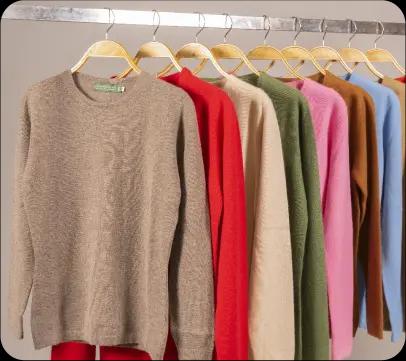
Explore our Chyangra goat cashmere, combed from goats living above 3,000 metres and finished by hand in our Pokhara workshop.

Every piece above was spun, woven, or knitted by hand in Pokhara. You can meet the people who make these before you choose one.

Conclusion

Yes Helping Hand empowers by employment programs in communities to transform lives. Through fair employment, skill development, support for single mothers, and a commitment to ethical practices, we offer more than just jobs, we offer hope, dignity, and a sustainable future. When you purchase a Yes Helping Hand Cashmere product, you’re not just buying a piece of clothing; you’re contributing to the empowerment of individuals who are crafting their own stories of resilience and success.

Join us in our mission to empower the community of physically challenged, marginalized groups, and single mothers and promote sustainable craftsmanship by exploring our products and sharing the stories of the artisans behind them.

The History of Yes Helping Hand

The History of Yes Helping Hand

Yes Helping Hand2024-09-23

Yes Helping Hand: Support, Empowerment, and Employment

Amongst the majestic Himalayas, dreams and hopes, through the tides and waves of life, an initiative for empowerment and encouragement was born.

Yes Helping Hand (YHH) is not a charity. We train people at no cost, employ them, and sell what they make, so the work pays for itself and for the next group of trainees. That is our social enterprise model, and it is the reason a trainee here becomes a colleague rather than a case file. We believe in the potential of every individual, whatever their background or abilities, and our free training programs give disabled people, women, and marginalized communities skills that lead to real employment. From the first day, the motto has been the same: support, train, employ.

Following in the footsteps, Yes Helping Hand has always been working toward supporting and empowering society, women, especially the disabled and marginalized people of Nepal, who always hold a special place in our hearts. It is we, our morals, and culture that make this world a better place to live in.

At Yes Helping Hand, we are not just weaving threads; we are weaving together a knot of change by making animal cruelty-free products that are sustainable and environmentally friendly, empowering and supporting both people and the planet.

The journey of empowerment and sustainability for Yes Helping Hand organization began in 2011, rooted in a heart-wrenching incident that forever changed its founder, Mr. Dinesh Kumar Thapa. A social entrepreneur with humble beginnings, Dinesh grew up in the shadow of the majestic Himalayas, immersed in rich cultural traditions that instilled in him a deep sense of compassion and kindness.

Moving from the vibrant capital of Kathmandu to the serene town of Pokhara, Dinesh Kumar Thapa faced countless struggles. He understood firsthand the pain of being marginalized and the relentless fight for a better life for oneself and one’s family. His resolve deepened when he witnessed a tragic event: a young boy, unable to speak or hear, was mercilessly bullied and beaten by his peers. The anguish of this child, driven to suicide by the cruelty of discrimination, shook Dinesh to his core.

This heartbreaking incident ignited a fierce commitment within him to confront the injustices surrounding him. He could no longer stand by while lives were lost to intolerance and cruelty. With a clear vision in mind, Dinesh dedicated himself to empowering every person in his community. He envisioned a world where everyone, regardless of their abilities, traditions, or backgrounds, could thrive in equality.

Through training and support, he set out to build independence in people and pull down the barriers that kept discrimination alive. Yes Helping Hand was born out of that decision. How Yes Helping Hand Empowers Its Community in Pokhara picks the story up from there and shows what it has come to mean day to day.

Yes Helping Hand’s objective is to drive meaningful change by utilizing a portion of our profits to foster education for kids and individuals, empowering through self-sufficiency, providing value for hard work, and also contributing to community development through donations and impactful initiatives.

What began with two trainees crafting pashmina, wool, and natural fiber handicrafts has grown with support from the local community and from people around the world. More than 180 people have been trained and employed here since, and the change has carried through to their families. The people behind that number tell it better than we can, in our artisans' own stories.

At Yes Helping Hand, our commitment extends beyond supporting our community; we also recognize our responsibility to the planet. In an era dominated by fast fashion and unethical garment manufacturing, we chose a different path—one rooted in sustainability and ethical practices.

We source Himalayan cashmere and pashmina, natural wool, and other eco-friendly fibers from within Nepal, buying straight from herder families instead of through brokers. Himalayan cashmere and where it comes from follows that route in full, from the high pastures of Mustang and Dolpo down to the looms in Pokhara.

By embracing this approach to fashion, we aim to create an impact that goes well beyond clothing. We believe in fashion that honours both people and the planet. Every piece of cashmere made in Pokhara that leaves our workshop carries fifteen years of that belief with it.
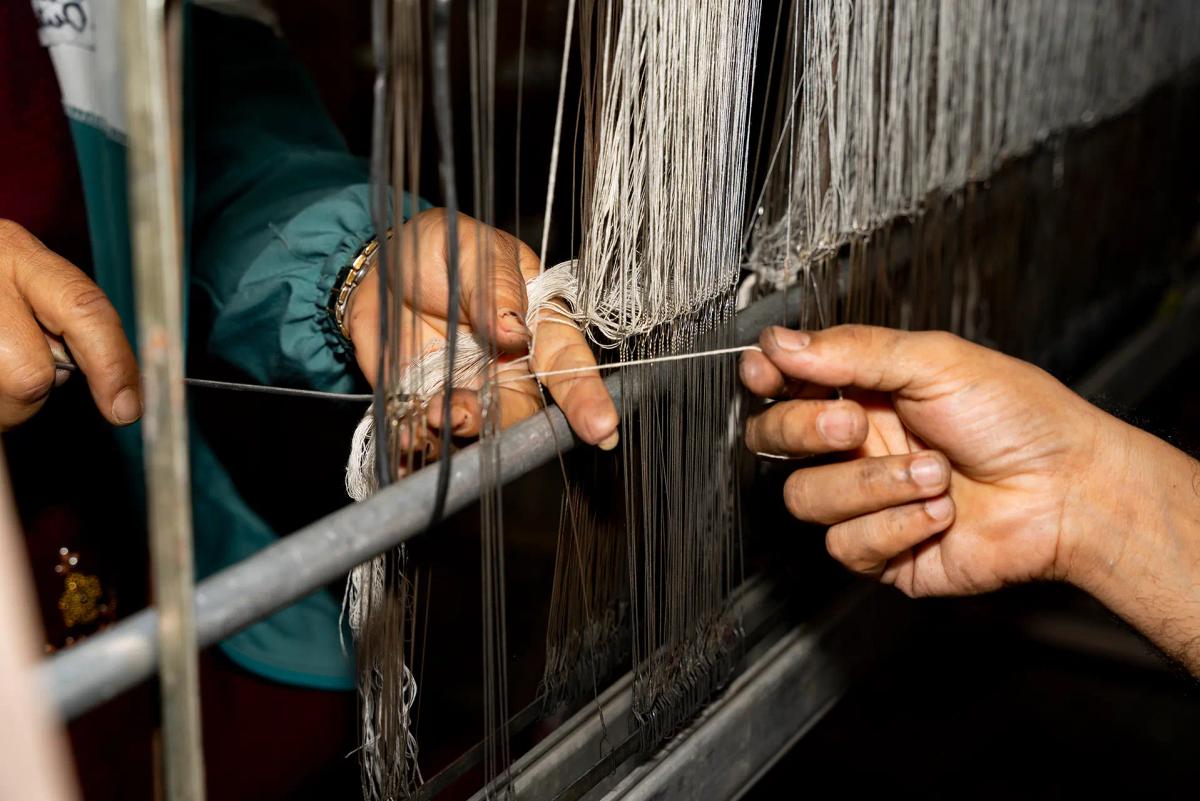
Learn how woolen and cashmere products are made at Yes Helping Hand.

Stay Connected to Craftsmanship That Empowers

Join our empowerment journey for artisan stories, new arrivals, and exclusive offers.

No spam. Only meaningful updates & artisan stories.