Handmade vs Machine-Made Cashmere & Woolen Clothing
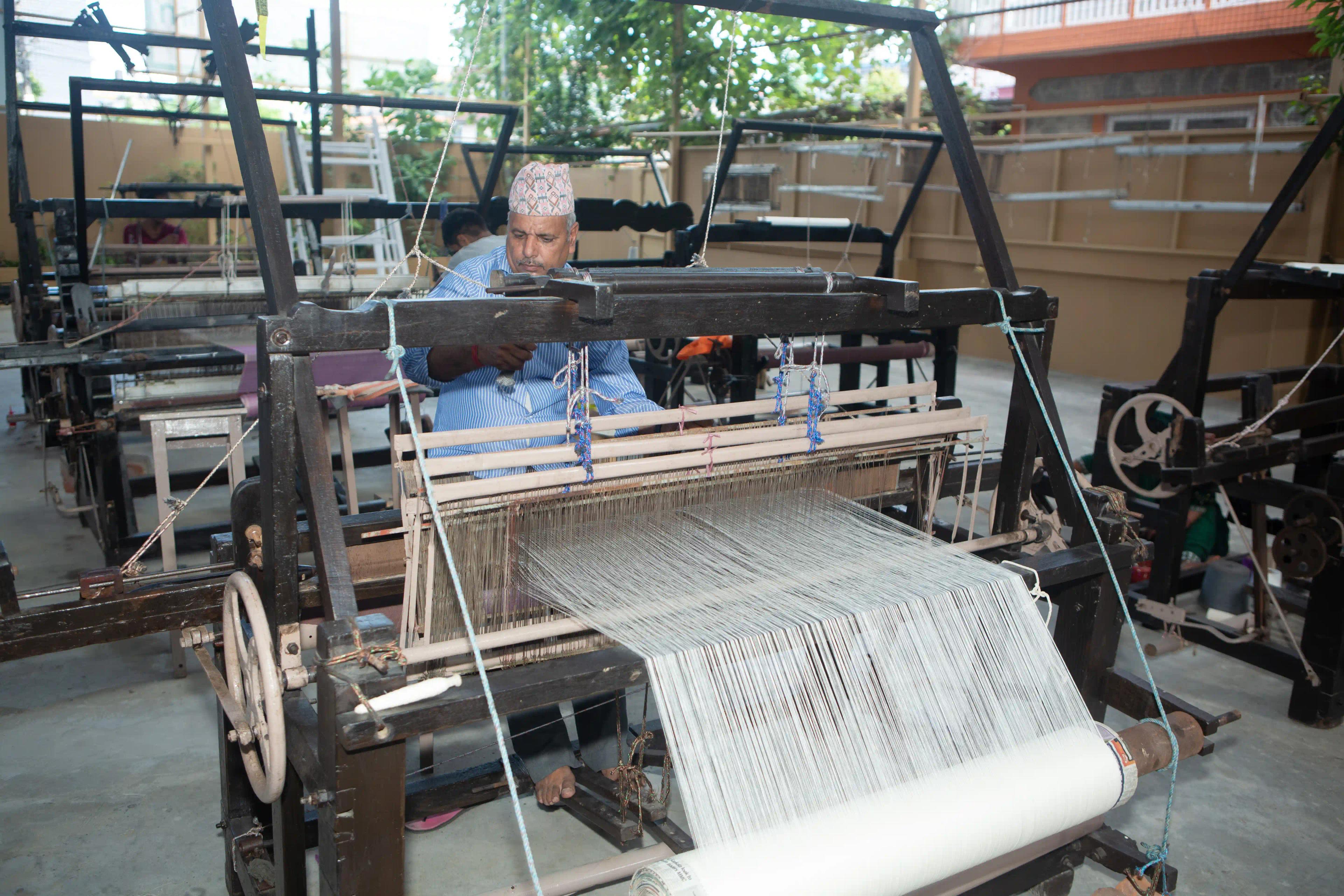
Handmade and machine-made products differ a lot in the world of fashion today. They have had a big impact on ethical issues, originality, and quality. We can easily differentiate between machine-made and handmade wool and cashmere products. Even though manufactured goods are widely available these days, handmade goods have a timeless appeal that relates a deeper tale, and encourage sustainable fashion.
→ Quick Differences between Handmade and Machine-made Clothing:
| Aspect | Handmade | Machine-made |
| Quality | Made by Hand for superior comfort & longevity | Often uses mixed or inferior fibers, less durable |
| Environmental Impact | Sustainable techniques, natural dyes, minimal waste | Chemical treatments, higher waste production |
| Uniqueness | Each piece is one-of-a-kind with artisan personal touch | Mass-produced, identical standardized products |
| Cultural Value | Preserves traditional skills and supports artisans | Factory-based with no cultural preservation |
| Personal Connection | Product tells the story of its makers , carries dreams | No personal story, purely transactional |
| Economic Impact | Supports marginalized workers through fair trade practices | Corporate profit focus with limited worker benefits |
| Fashion Philosophy | Sustainable fashion, quality over quantity, meaningful purchases | Fast fashion approach, disposable mentality |
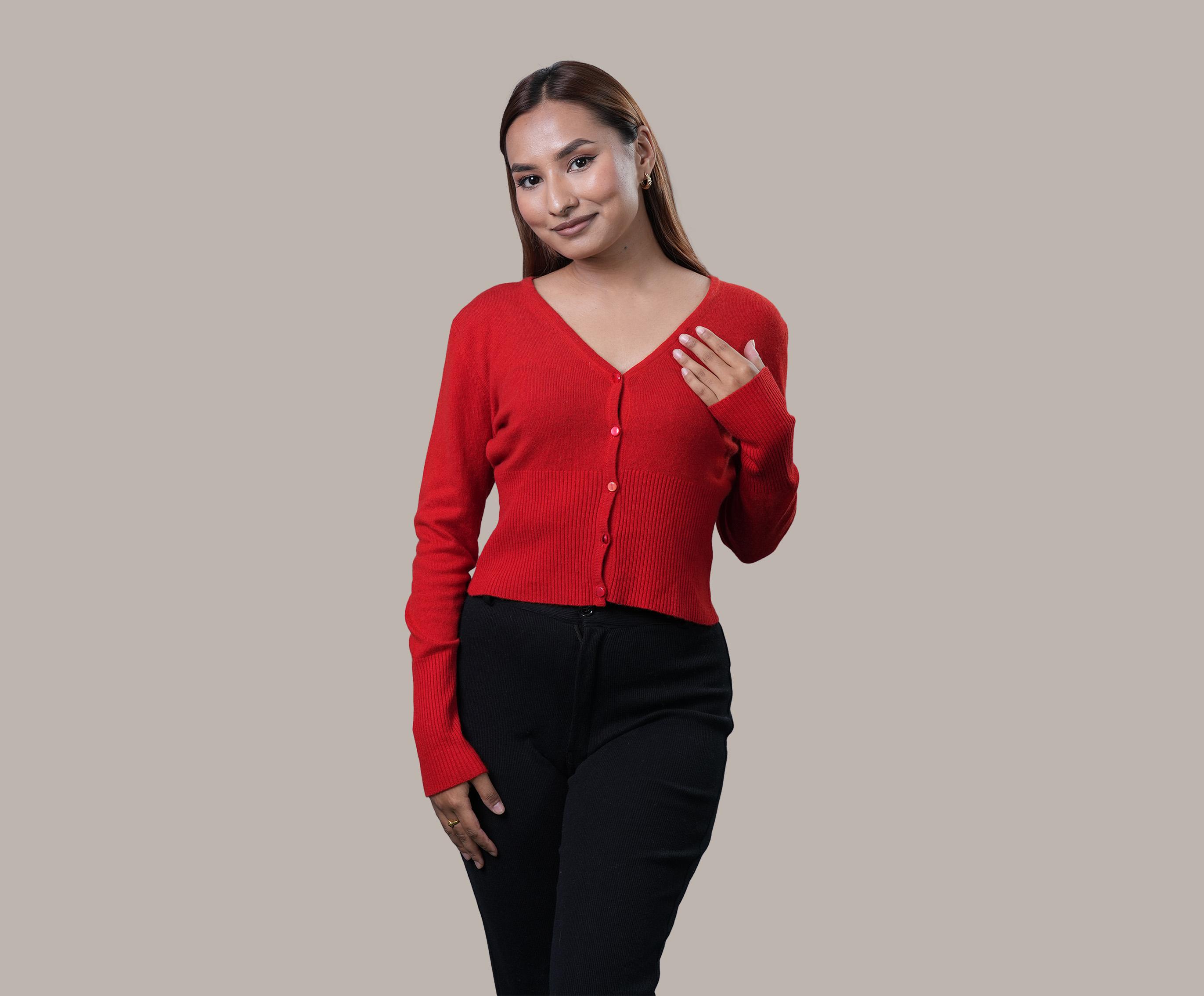
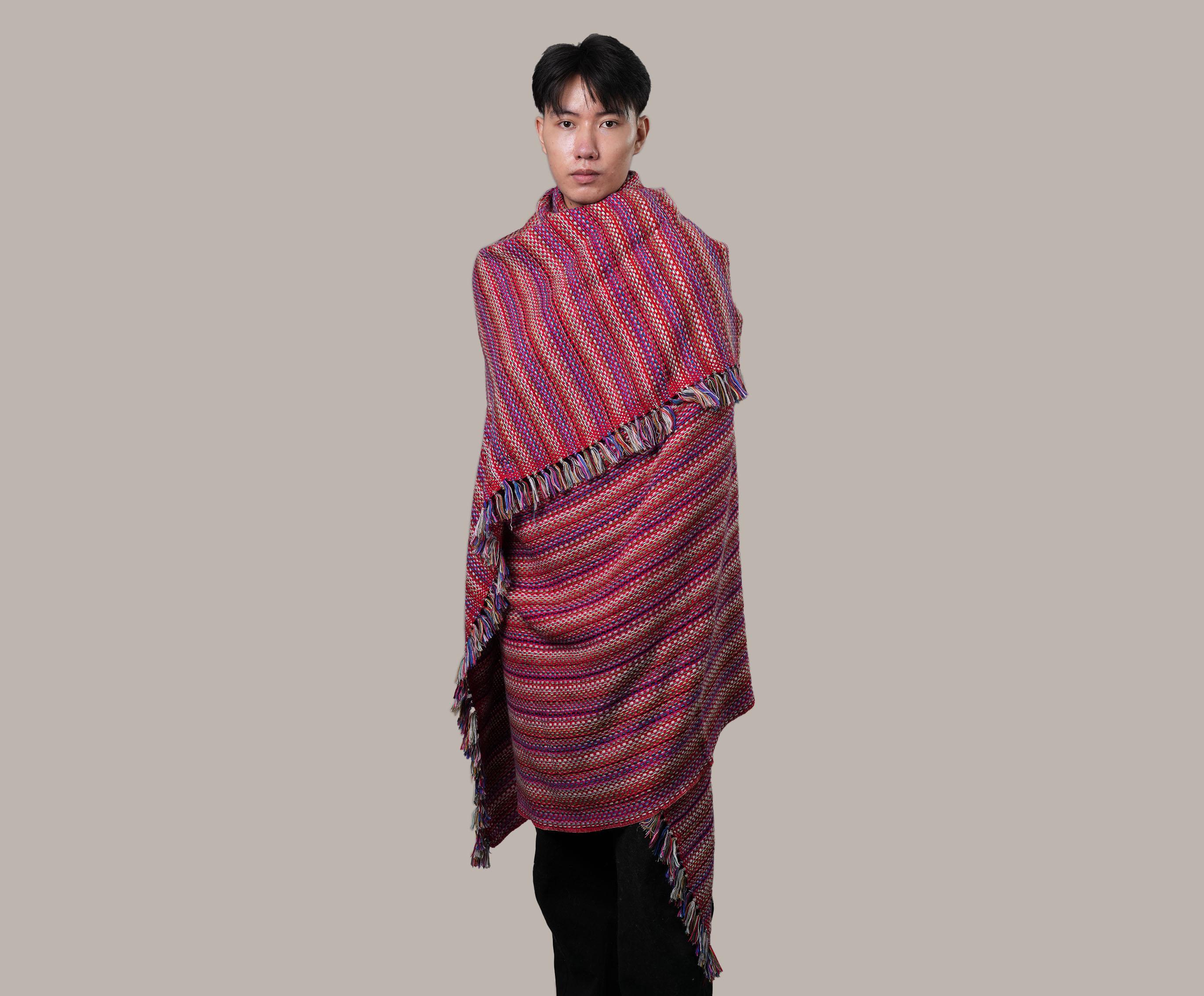
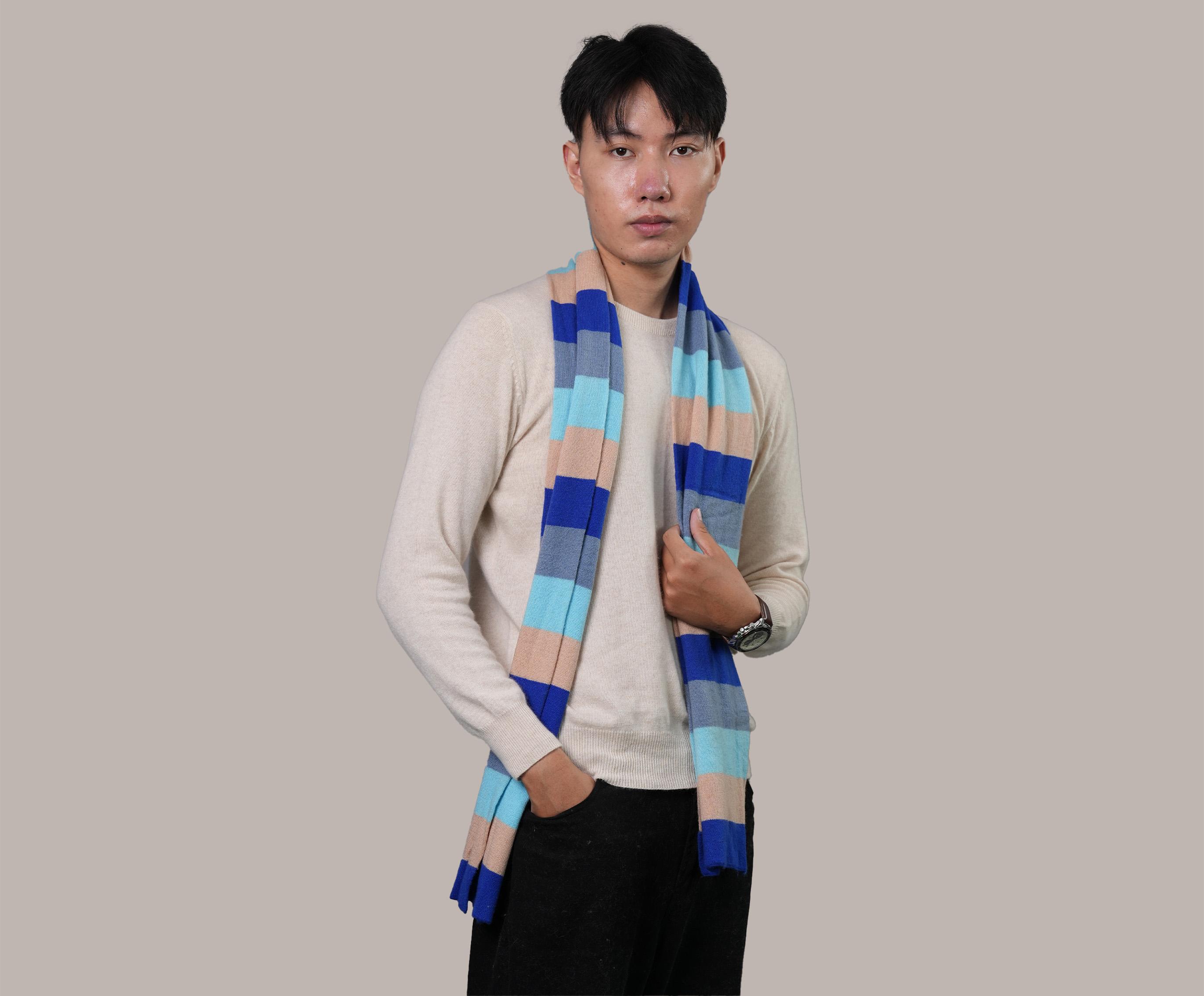
Explore our collection of handwoven, handloom, and handmade cashmere and woolen clothing, crafted with care by skilled Nepali artisans.
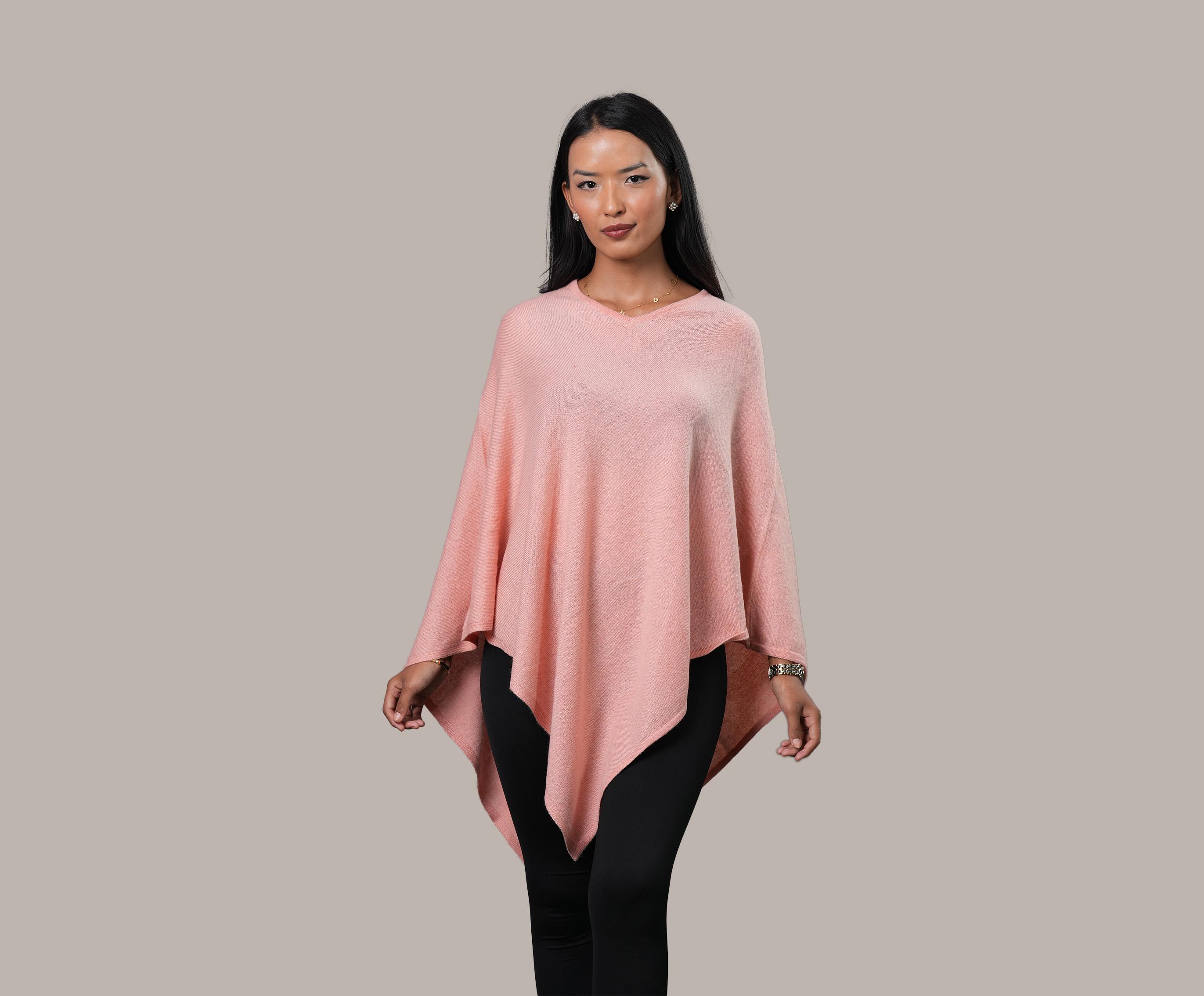
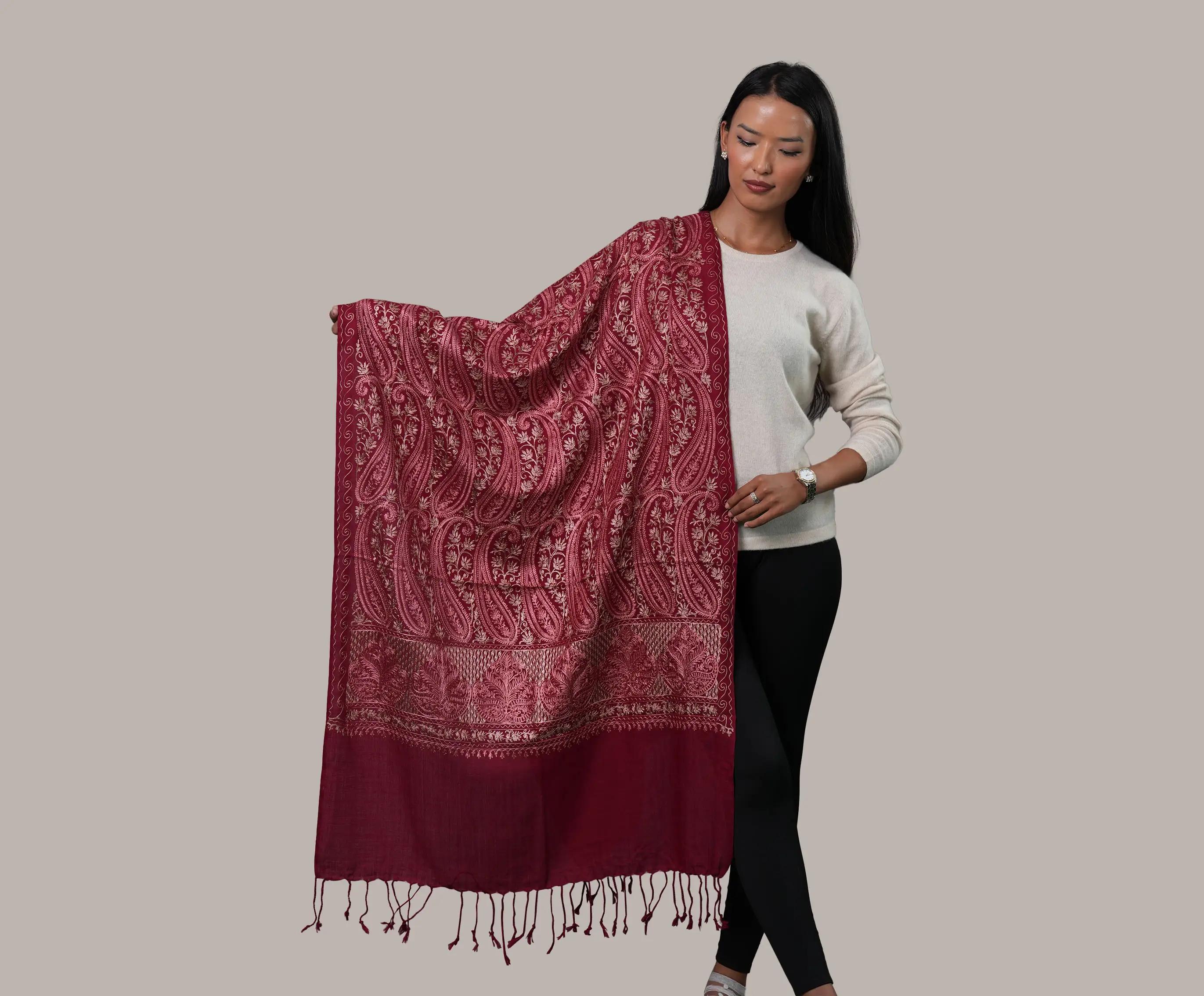
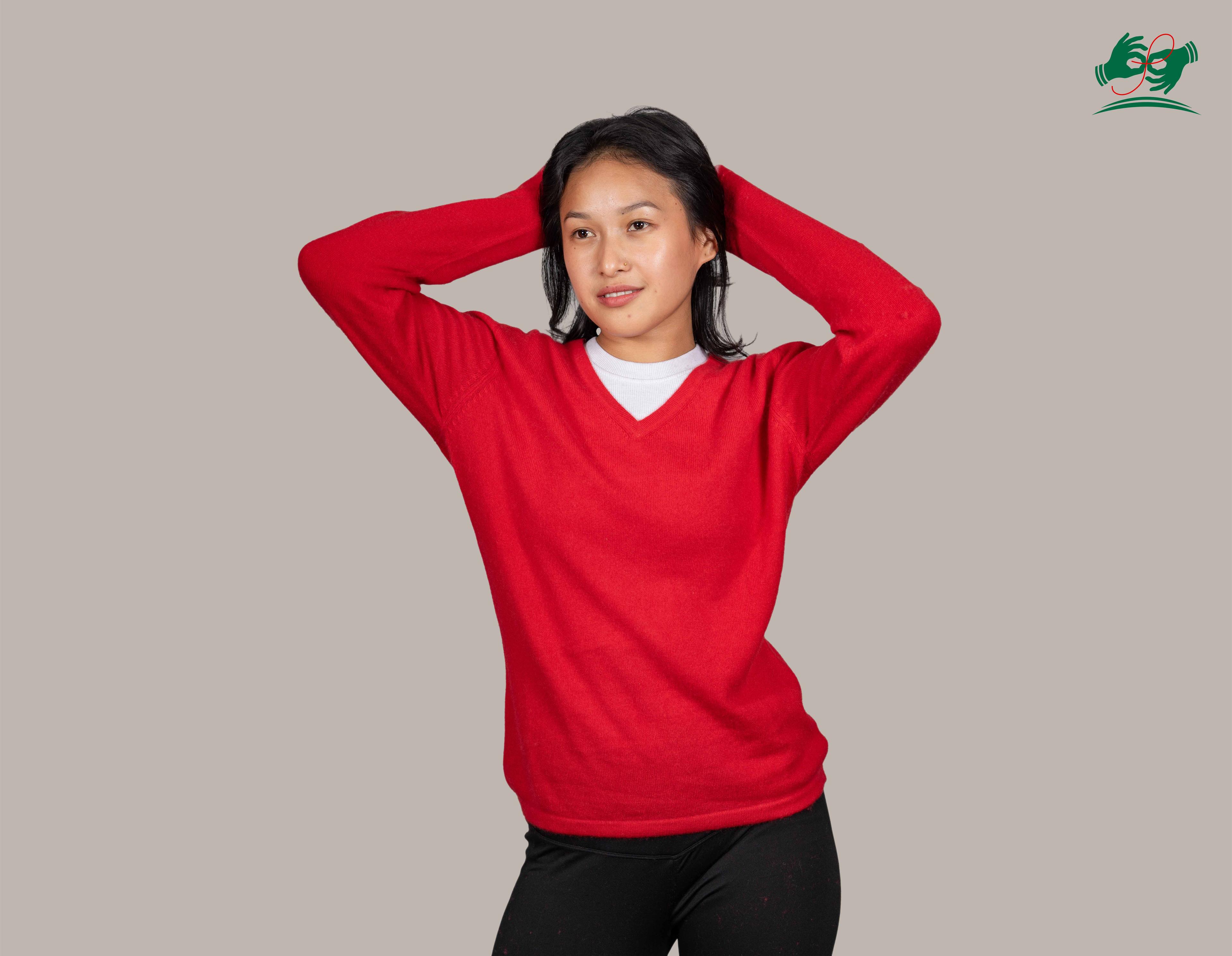
Better Quality
Handmade pashmina and wool goods are meticulously produced with cruelty-free, ethically sourced fibers.
Some proud moments like, “I still treasure a wool jumper that I received from a friend who visited Pokhara and returned with goods produced by artisans employed at Yes Helping Hand.”
Over time, the handmade cashmere products offer users more value. Machine-made textiles, on the other hand, could employ mixed or inferior fibers. It lacks the coziness and longevity of handmade items. They are not as long-lasting or as comfortable as we would want.
Accountability for the Environment
Sustainable techniques are a top priority for many craftspeople who make handcrafted wool and cashmere products. They support regional ecosystems, reduce trash, and employ natural dyes.
Another testimonial reads, “I went for the Yes Helping Hands, Each One Teach One program, where I learned the process of making a handmade scarf. I was astounded by the artisan's use of native flora to make natural dyes. Wearing something that was both elegant and environmentally friendly made me feel pleased”.
Buying handmade clothing supports the environmentally friendly and sustainable fashion sector. Additionally, you can add a lovely item to your closet. Machine-made textiles often come from companies with lower environmental standards, which results in increased waste.
Individuality and Distinctiveness
Wool and pashmina items manufactured by machines are frequently mass-produced in factories. They lack the uniqueness of handmade products that last for a long time.
The Cashmere shawl from experienced artisans not only carries the best quality of cashmere wool, also carries their warmth, supporting sustainable fashion even more.
A handmade shawl from Yes Helping Hands is more than clothing. It tells the story of skilled artisans. Their heritage is woven into every thread. You wear purpose, not just fabric. This supports sustainable fashion and carries the dreams of its makers.
Beyond the Item
Purchasing handmade cashmere or pashmina clothing means investing in a bit of community, culture, and history in addition to a piece of clothing.
Visitors often tell us, “I frequently imagine the artists who created the things I own, picturing their laborious labors producing something exquisite”.
By doing so, you are lending your support to those whose lives have been devoted to maintaining traditional skills and adding to the tradition of human expression.
In summary
Handmade pashmina and wool products provide a distinctive and significant experience in the world of fashion. Selecting handmade products not only helps marginalized workers and the preservation of traditional crafts, but it also enables you to invest in a high-quality, sustainable product. So keep the handmade advantage in mind the next time you're searching for a unique present or an opulent addition to your wardrobe. Select an item that honors the artistry that enhances our lives, tells a story, or links you to a community. A few are available at yeshelpinghand.com.