

Guide to Ethical Fashion and Cruelty-Free Cashmere & Woolen Clothing
In today's fashion world, more consumers are asking important questions:
"Is cashmere cruelty-free?"
"What does cruelty-free fashion really mean?"
As awareness of animal welfare in the fashion industry grows, understanding cruelty-free products has become essential for conscious shoppers.
This comprehensive guide explains everything you need to know about animal-cruelty-free products, with a particular focus on cruelty-free cashmere and ethical fashion choices that make a real difference.
What Does "Cruelty-Free" Mean in Fashion?
Cruelty-free products are items created without harming, testing on, or killing animals during any stage of production. In the fashion industry, this means:
→ No animal testing on materials or finished products
→ Humane treatment of animals during fiber collection
→ Ethical sourcing from suppliers who prioritize animal welfare
→ Transparent supply chains that can verify humane practices
Cruelty-Free vs. Vegan: Understanding the Difference
| Cruelty-Free Fashion | Vegan Fashion |
| Uses animal-derived materials ethically | Uses no animal-derived materials |
| Focuses on humane treatment | Focuses on eliminating animal use |
| Includes ethical wool, cashmere, silk | Includes synthetic or plant-based alternatives |
| Supports animal welfare | Supports animal rights |
Yes Helping Hand's cashmere and wool is cruelty-free because goats are treated humanely during shearing, but it's not vegan since it uses animal fiber.
Is Cashmere Cruelty-Free?
The Truth About Ethical Cashmere Production
How Ethical Cashmere is Harvested
Contrary to common misconceptions, high-quality cashmere can be completely cruelty-free when proper practices are followed:
⇒ Natural Shedding Process
→ Cashmere goats naturally shed their soft undercoat each spring
→ Gentle combing or shearing collects this fiber without harming the animal
→ Goats are never killed for cashmere production
⇒ Traditional Himalayan Methods
→ In Nepal's mountain regions, herders have practiced humane cashmere collection for centuries
→ Goats live freely in their natural habitat
→ Collection happens only during the natural molting season
Red Flags: When Cashmere Isn't Cruelty-Free
Warning Signs to Avoid:
→Extremely cheap cashmere (often indicates poor animal welfare)
→Lack of transparency about sourcing
→No certifications or ethical standards mentioned
→Mass production facilities with unclear practices
Animal Cruelty Statistics in the Fashion Industry (2024 Data)
Understanding the scope of animal cruelty in fashion helps explain why cruelty-free choices matter:
Global Fashion Industry Animal Use
| Industry Sector | Animals Affected Annually | Primary Concerns |
| Fur Fashion | 100+ million animals | Killing for pelts |
| Leather Production | 1+ billion animals | Slaughter & tanning chemicals |
| Wool Industry | 1.2 billion sheep | Mulesing & poor conditions |
| Down/Feathers | 50+ million birds | Live plucking practices |
| Exotic Skins | 500,000+ reptiles | Inhumane killing methods |
According to the shelter animal count national database, at least 1 animal is abused globally every minute. Similarly, nearly 115 million animals are either killed or abused for research and experiments in fashion and beauty, food, drug testing industry.
Key Animal Welfare Statistics (2024):
Shocking Industry Facts:
→ 1 animal is abused globally every 60 seconds.
→ 75% of exotic animals die during transport or within one year of captivity.
→ 250,000 animals annually suffer in poor conditions at hoarding facilities.
→ 115 million animals are killed or abused for research and fashion testing.
Positive Change: The Rise of Ethical Fashion
Growing Consumer Awareness:
→ 73% of millennials are willing to pay more for sustainable products
→ Natural fiber market expected to grow 7.6% annually through 2031
→ $102.7 billion market projected for natural, sustainable fibers by 2031
How to Identify Genuine Cruelty-Free Products
Ask the Right Questions:
→ Where do materials come from?
→ How are animals treated during collection?
→ What certifications does the company have?
→ Can they provide supplier information?
Common Cruelty-Free Fashion Materials
Ethically Sourced Natural Fibers:
→ Cruelty-free cashmere (from humane goat farming)
→ Ethical wool (from farms with high welfare standards)
→ Peace silk (harvested without killing silkworms)
→ Organic cotton (grown without harmful pesticides)
Plant-Based Alternatives:
→Hemp fiber
→ Linen (flax)
→Bamboo fabric
→Cork leather
→Pineapple leather (Piñatex)
Leading Cruelty-Free Cashmere from Nepal - YHH
Our Ethical Cashmere Promise:
At Yes Helping Hand, we've built our entire business model around cruelty-free principles:
→ Humane Sourcing in the Himalayas
→ Partner directly with traditional herders in Nepal's mountain regions
→ Goats live freely in their natural habitat year-round
→ Collection only during natural shedding season (spring)
→ No stress, no harm, no killing for our cashmere
Supporting Local Communities
→ Fair wages for herders and their families
→ Preserving traditional, humane animal husbandry practices
→ Creating sustainable livelihoods in rural Nepal
→ Training programs for ethical animal care
See the real cost of cruelty-free cashmere: Our transparent comparison between ethical and mass-market pricing
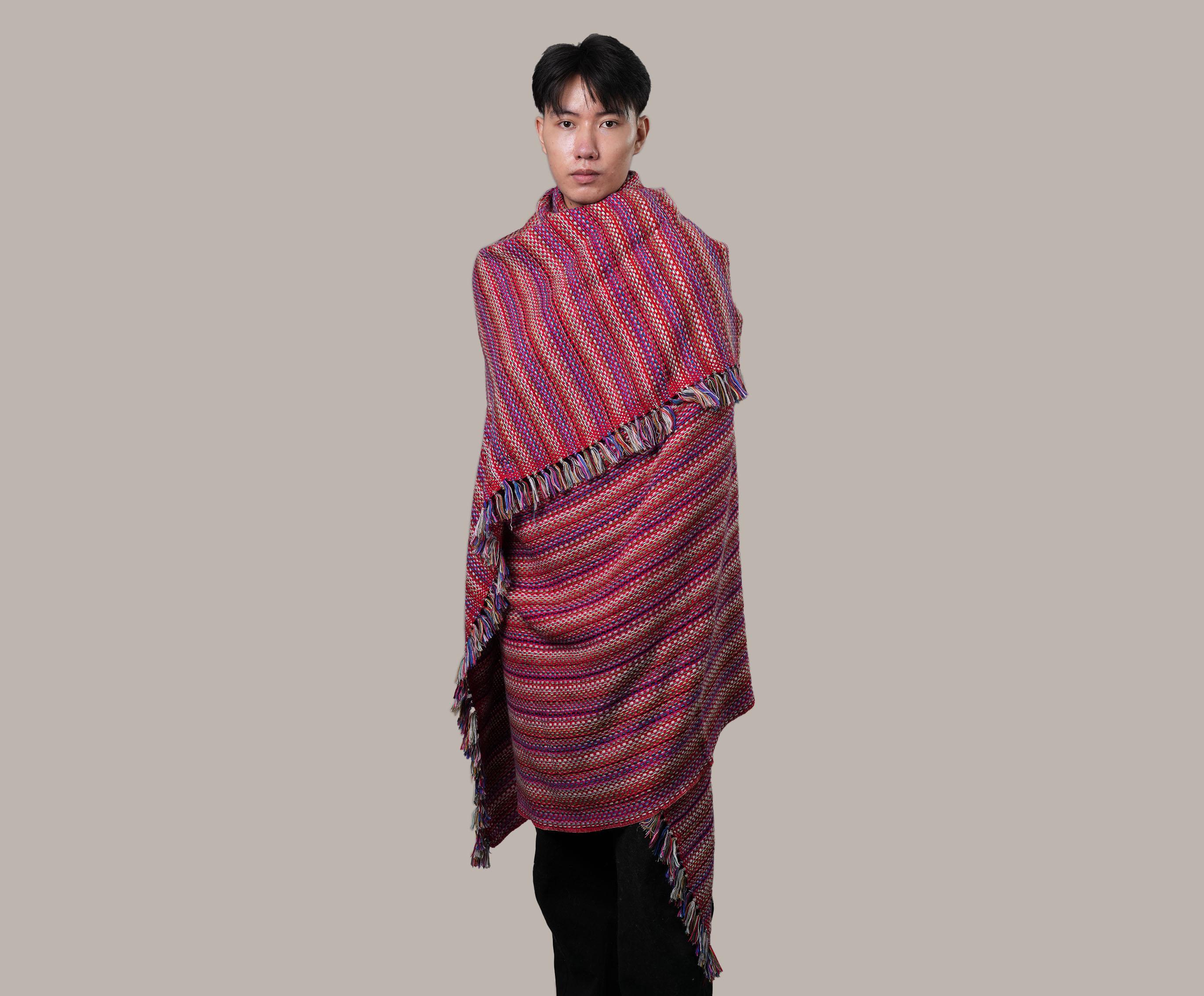
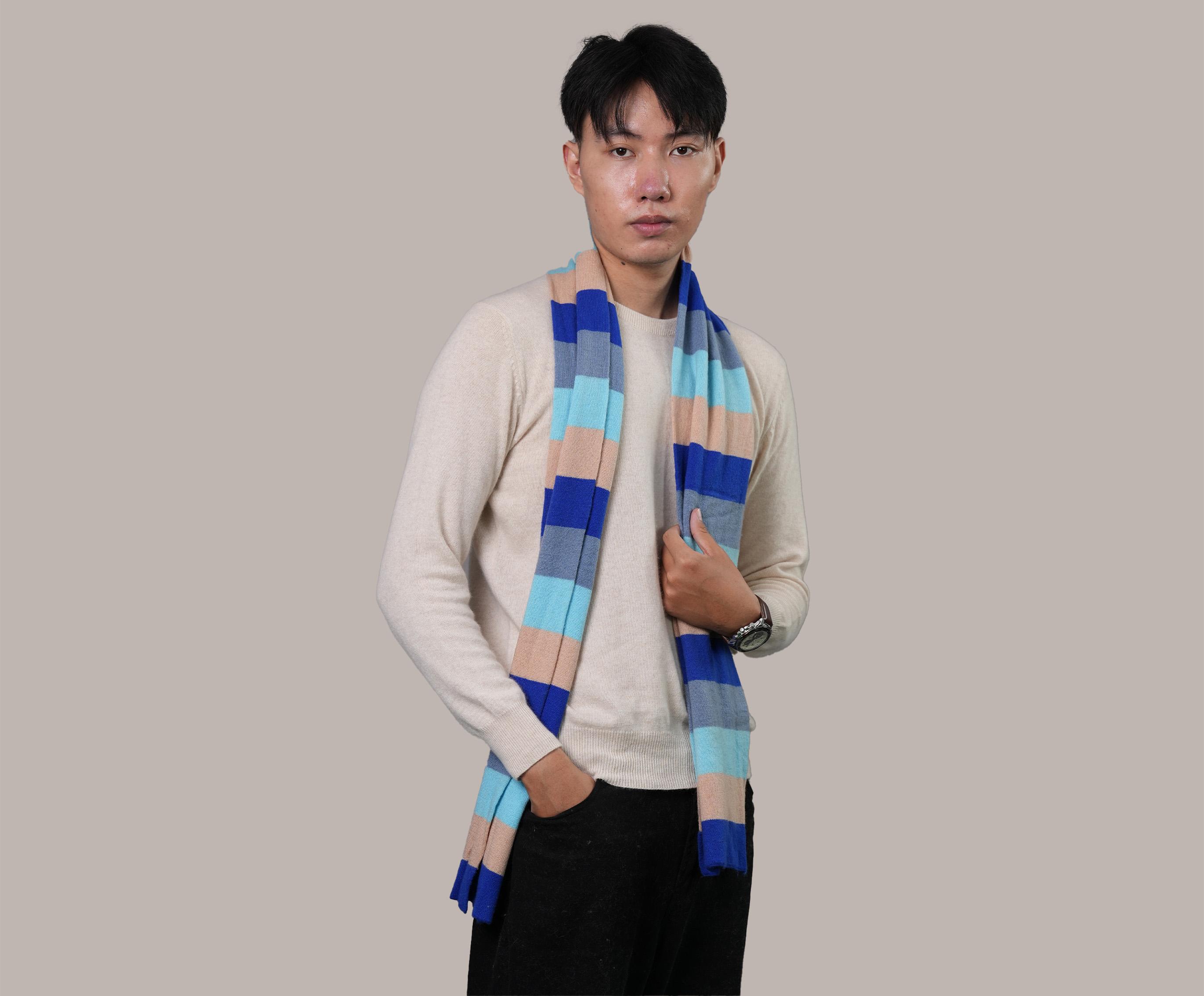
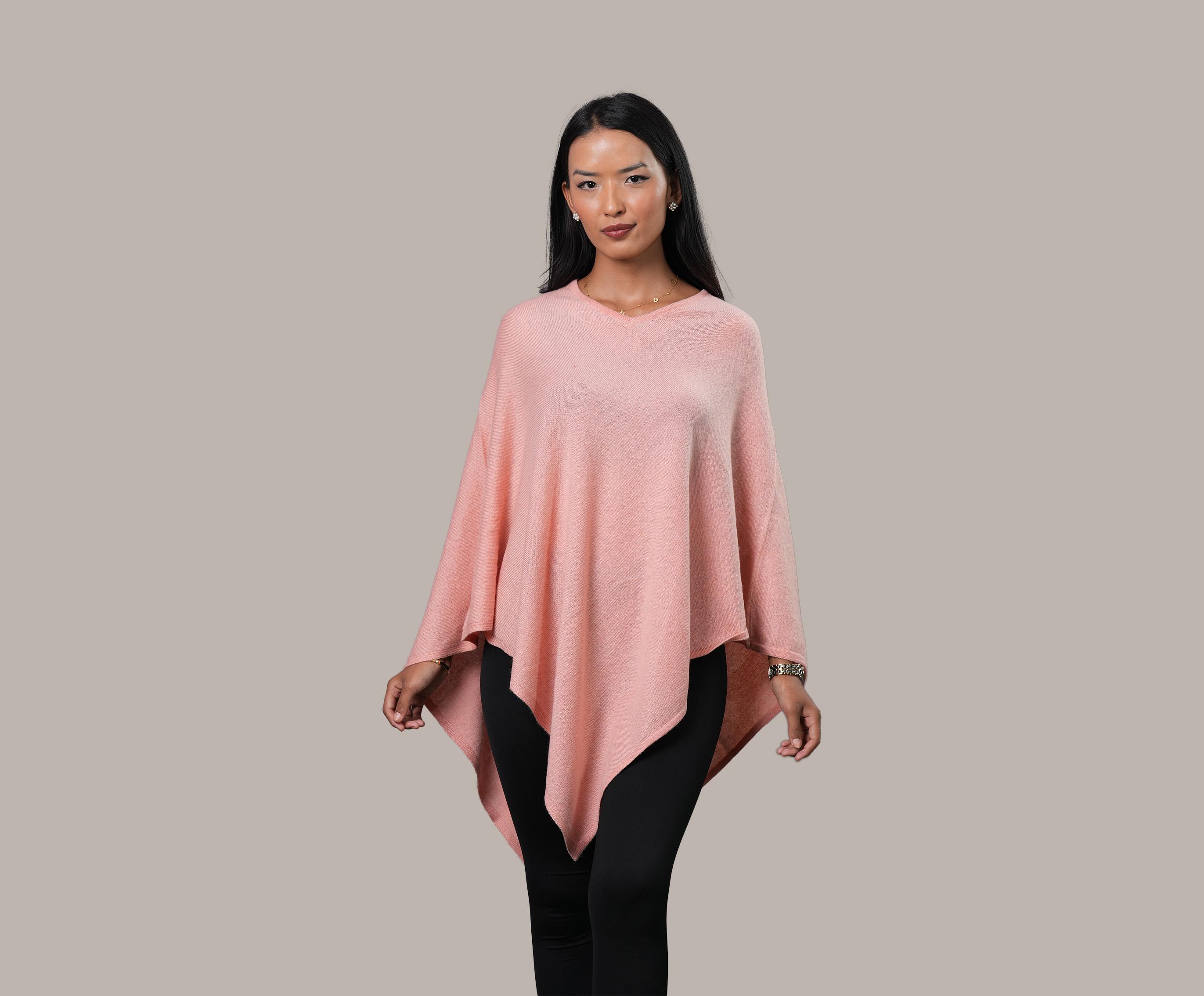
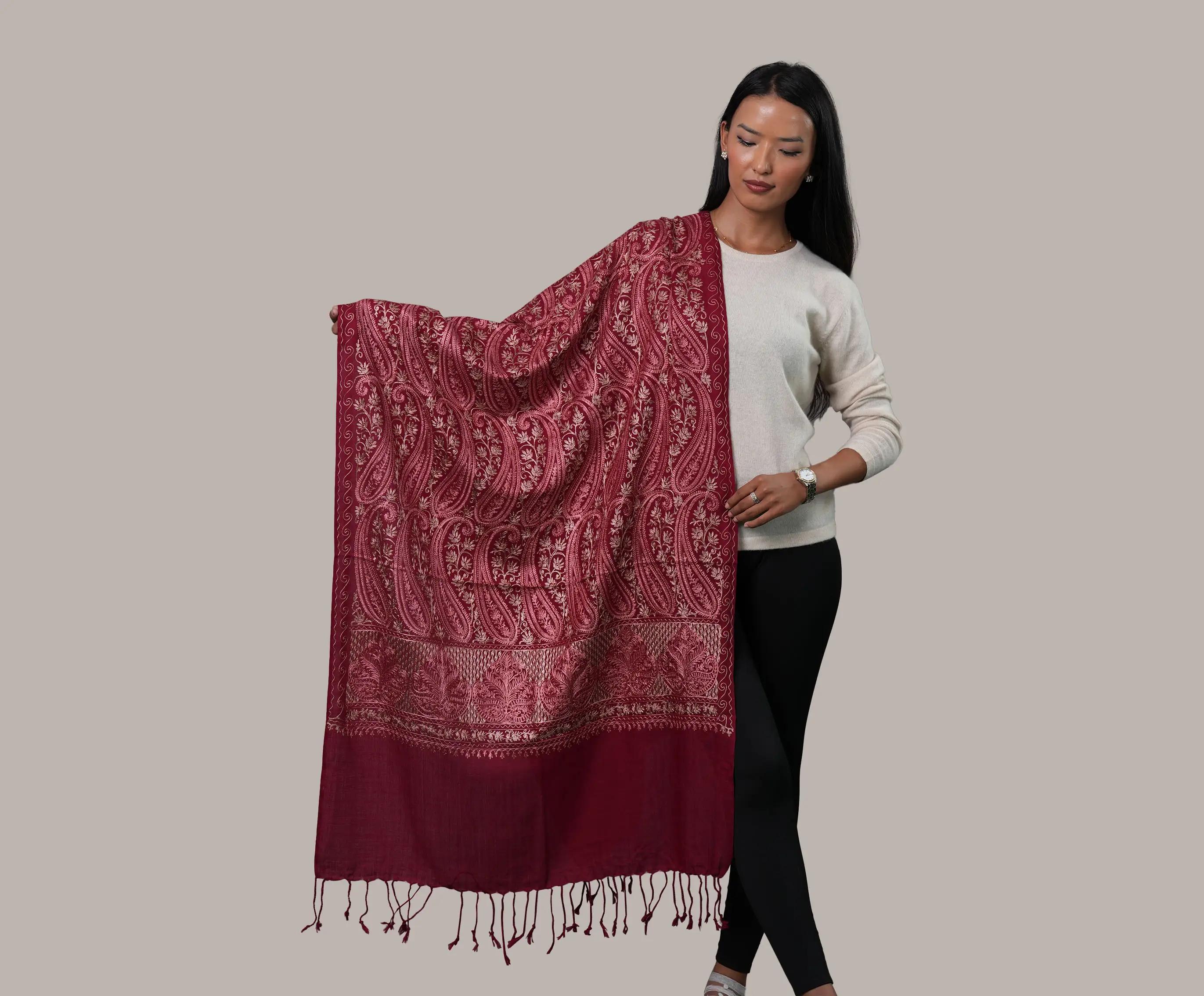
Our Cruelty-Free Cashmere Collection:
| Product | Ethical Features | Pricing |
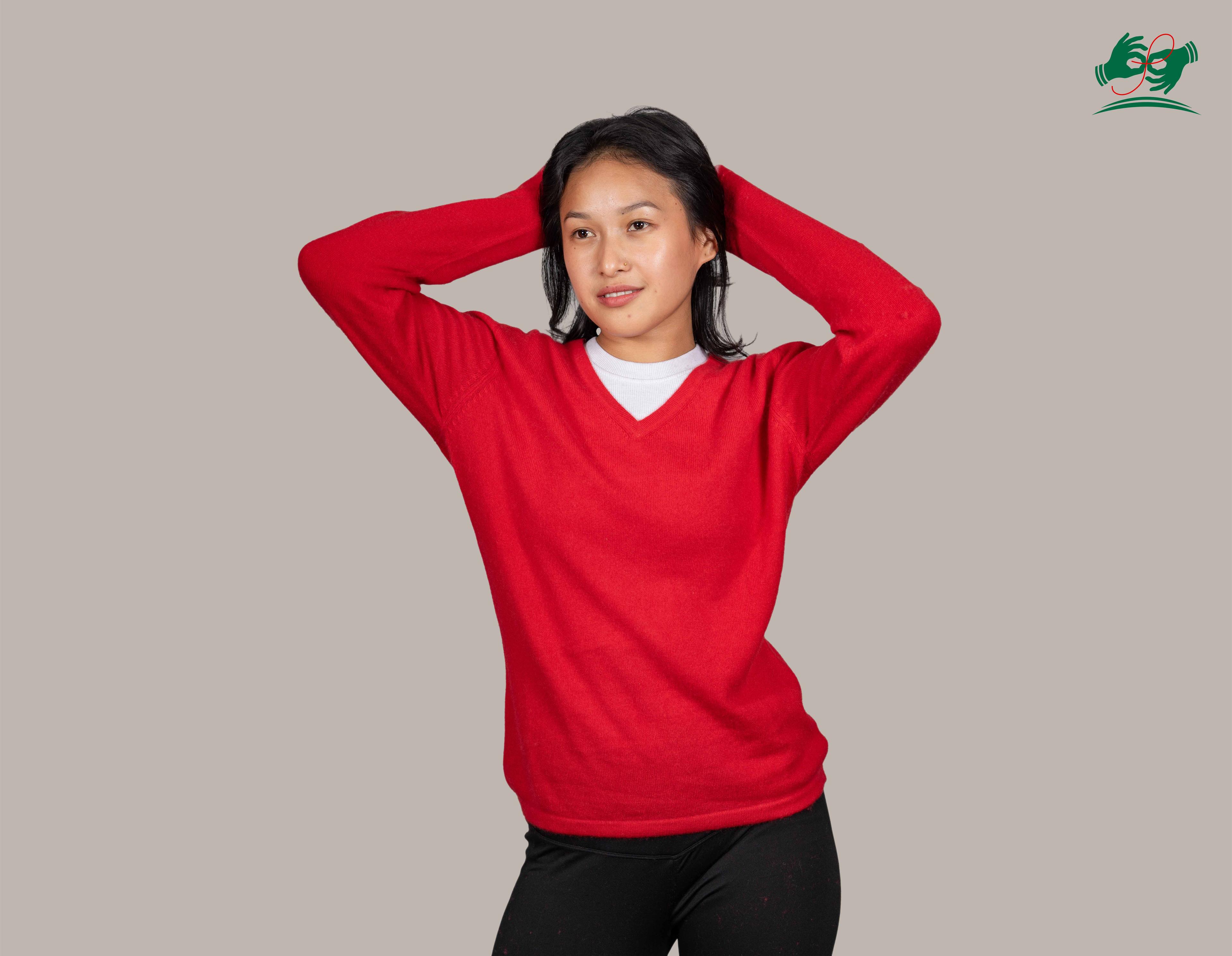
| Pure Cashmere Sweater | Hand-knitted, cruelty-free sourcing | $155 |
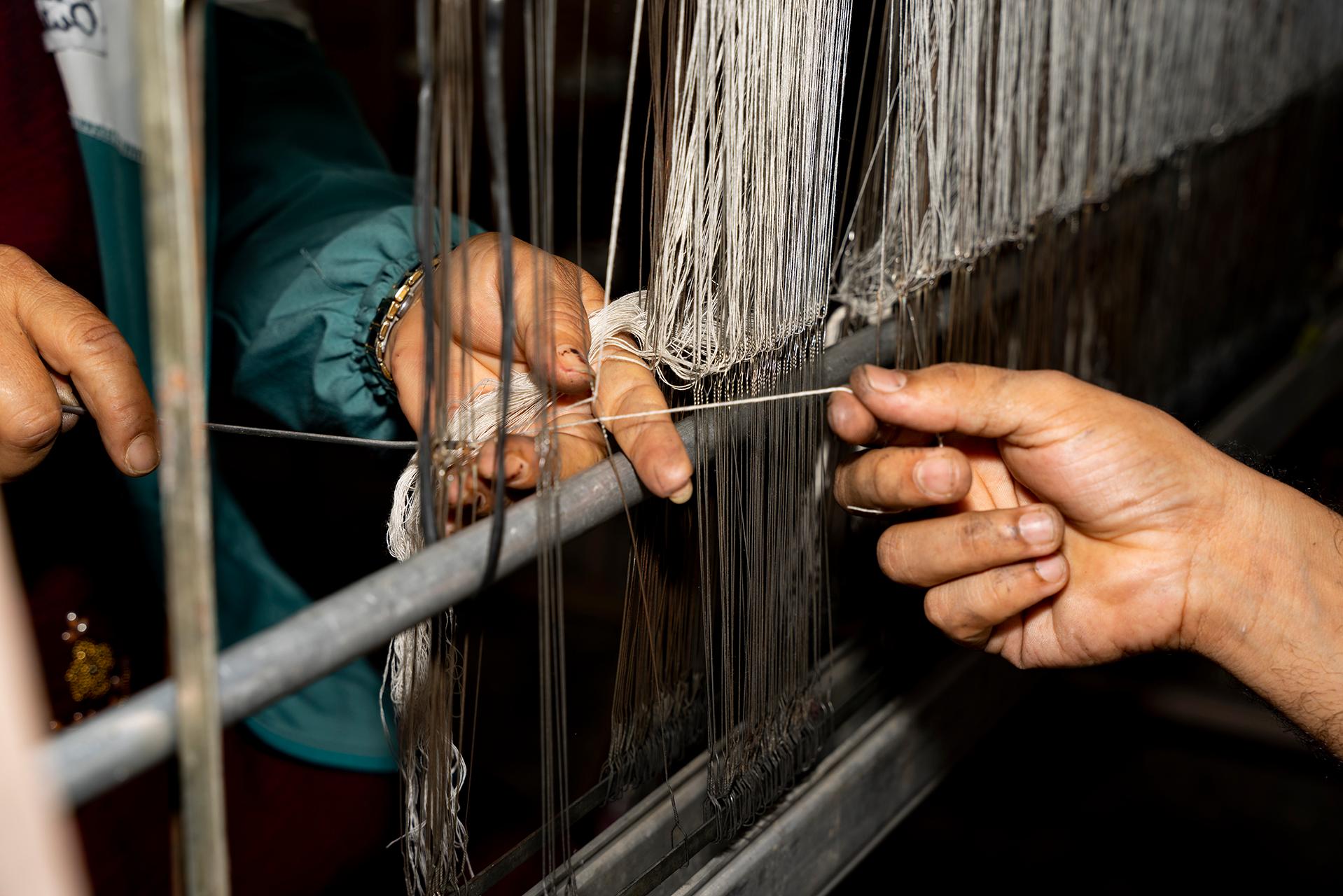
| Cashmere Shawl | Traditional Weaving, Ethical Collection | $19.5 |
| Cashmere Blanket | Premium Grade, Humane Sourcing | $189 |
| Cashmere Cardigan | Handcrafted, ethical practices | $165 |
Impact of Choosing Cruelty-Free Cashmere:
When you buy from Yes Helping Hand, you create meaningful impact that extends far beyond a single purchase. Your choice supports 47 full-time artisan jobs in Nepal while ensuring the humane treatment of cashmere goats through traditional, ethical animal husbandry practices. This support contributes to vital community development projects and provides you with premium quality cashmere that's built to last over 10 years.
Benefits of Choosing Cruelty-Free Fashion:
Choosing cruelty-free fashion offers significant personal benefits, starting with ethical peace of mind. You can feel confident knowing that no animals were harmed for your clothing, while supporting brands that align with your values and contributing to positive industry change. These ethical brands often focus on superior quality, emphasizing durability through better materials and construction methods that create investment pieces lasting decades.
The health benefits are equally compelling, as cruelty-free fashion typically uses natural, non-toxic materials that are better for sensitive skin and free from harmful chemical residues. From an environmental perspective, cruelty-free fashion reduces your carbon footprint compared to synthetic alternatives while using biodegradable natural materials produced through sustainable farming practices that minimize waste and pollution.
The social benefits create ripple effects throughout communities. When you choose cruelty-free fashion, you support fair wages for workers and farmers, help preserve traditional crafts, contribute to economic development in rural areas, and empower marginalized communities who depend on these ethical practices for their livelihoods.
Challenges Facing Cruelty-Free Fashion:
Despite these benefits, the cruelty-free fashion industry faces significant obstacles. Higher production costs result from ethical sourcing requirements, smaller-scale production methods, and the premium prices associated with maintaining humane practices. The supply chain complexity adds another layer of difficulty, as brands struggle to find ethical suppliers while maintaining constant monitoring and verification processes, all while dealing with limited availability of certified materials.
Market competition presents ongoing challenges as ethical brands compete against cheaper, non-ethical alternatives. Success requires extensive consumer education about the true value of cruelty-free products and building trust in ethical claims through transparency and consistent practices.
How Consumers Can Help
Consumers play a crucial role in supporting and expanding the cruelty-free fashion movement. Making informed purchases involves researching brands before buying, choosing quality over quantity, supporting transparent companies, and sharing knowledge with others about the importance of ethical fashion choices.
Beyond purchasing decisions, consumers can advocate for broader change by asking brands about their animal welfare policies, sharing cruelty-free information on social media, supporting legislation that protects animals, and choosing cruelty-free gifts for others. These actions help create market demand that encourages more brands to adopt ethical practices while educating others about the benefits of cruelty-free fashion choices.
Frequently Asked Questions About Cruelty-Free Fashion
Q: Is all cashmere cruelty-free?
A: No. While cashmere can be collected humanely, some producers use harmful practices. Look for brands with clear ethical sourcing policies and certifications.
Q: Are cruelty-free products more expensive?
A: Often yes, due to ethical sourcing costs. However, they typically last longer, making them a better value long-term.
Q: How can I verify if a brand is truly cruelty-free?
A: Look for certifications, read their animal welfare policies, check third-party reviews, and research their supply chain transparency.
Q: What's the difference between cruelty-free and sustainable fashion?
A: Cruelty-free focuses specifically on animal welfare, while sustainable fashion addresses broader environmental and social impacts.
Q: Can synthetic materials be cruelty-free?
A: Yes, synthetic materials don't use animals, but they may have environmental drawbacks like microplastic pollution.
Shop Our Cruelty-Free Cashmere Collection
Every purchase supports ethical animal treatment, fair wages for artisans, and sustainable fashion practices that benefit animals, people, and the planet.